


Best Apps and Tech Tools For Classrooms
June 25, 2026
Setting Up Your Sphero Classroom
June 29, 2026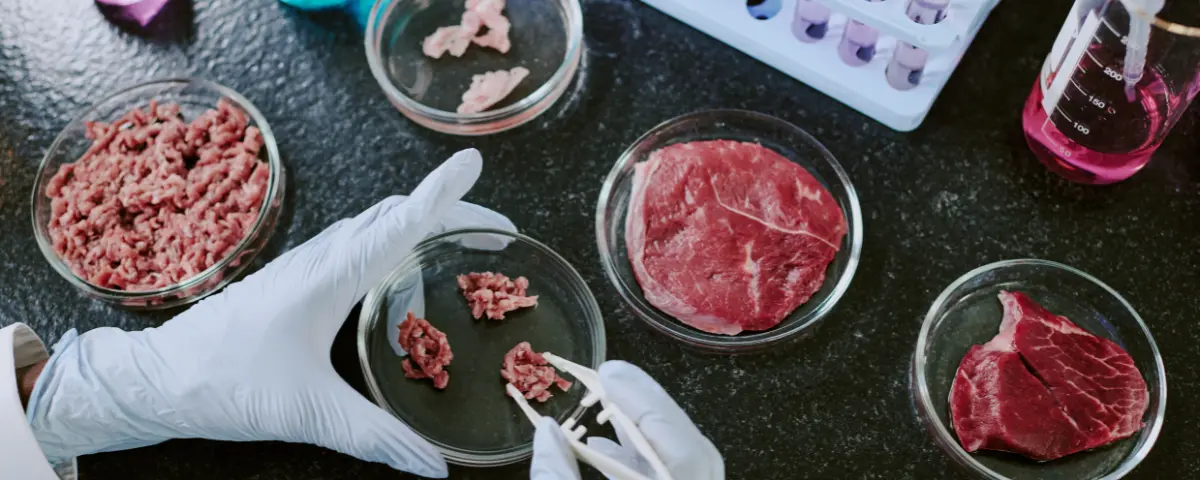
Imagine eating a hamburger or a chicken nugget that never came from a farm. Scientists have developed lab-grown food that could increase food production without harming the environment. As the world population grows, the demand for sustainable protein sources increases. Lab-grown meat could be a sustainable alternative, but many people are hesitant to eat meat grown from a test tube. Another option could be insects, as many cultures already consume them as a protein source.
What Is Lab-Grown Meat?
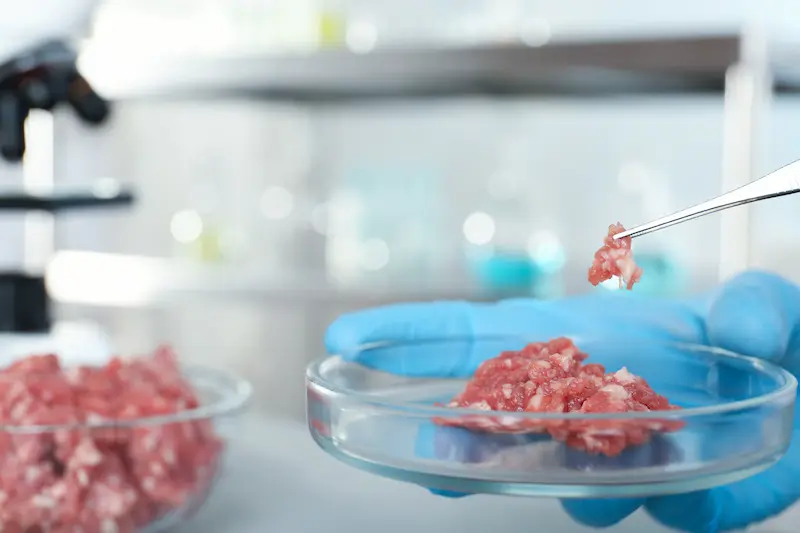
Livestock farming produces meat, dairy products, eggs, wool, and more. While many people rely on these products, livestock farming has a huge impact on the environment. All those animals need food and land, which makes up the vast majority of agricultural land. To solve this issue, scientists collect stem cells from an animal and grow those cells into muscle tissue. The result is real meat without raising or slaughtering an entire animal. In 2013, scientists revealed the first lab-grown burger. Since then, scientists have created lab-grown chicken, milk, and even foie gras.
Potential Benefits of Lab-Grown Meat
Lab-grown food could reduce the environmental impact of livestock farming. According to the Good Food Institute, lab-grown meat could reduce greenhouse gas emissions and land use. Because this meat is grown in a sterile environment, it’s free of antibiotics since there’s no risk of disease exposure. For some vegans and vegetarians who don’t eat meat because of ethical concerns about animal treatment, lab-grown meat could be a feasible alternative. Lab-grown meat is still made from animals, unlike plant protein products that you might see in grocery stores.
Challenges and Concerns
While you may have seen plant protein meat alternatives in stores and restaurants, lab-grown meat is not as common. Producing lab-grown meat is expensive, and researchers are still working on manufacturing lab-grown meat at a commercial scale. Scientists are also working on making the texture of lab-grown meat more similar to natural meat. While some people are excited about lab-grown meat, many are skeptical about eating meat that isn’t directly from an animal.
In the U.S., there are over 800,000 agricultural workers who grow our food and maintain our livestock. If lab-grown meat becomes more popular, these workers could lose their jobs, which would be detrimental to rural economies and farming communities.
Insects as an Alternative Protein Source
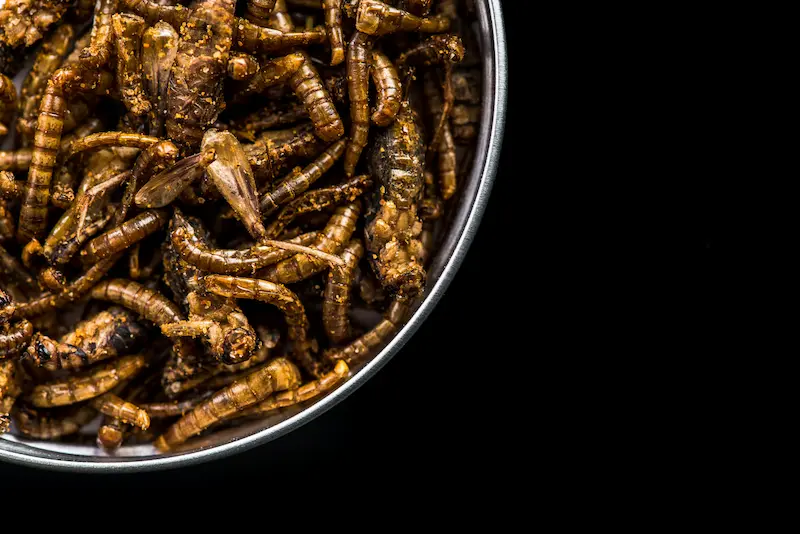
Around the world, many cultures regularly eat insects as part of their diets. In Asia, Africa, and Latin America, there are more than 2,100 edible insect species. Insects require less land and water than traditional livestock and produce fewer greenhouse gases. Insects are nutrient-rich, and some species contain more protein than meat. According to ABC News, mealworms and crickets are the most commonly consumed insects. In the U.S. and Europe, many consumers are unwilling to eat insects or just view them as a novelty, rather than a consistent protein source.
The Future of Food
Scientists are continuing to improve lab-grown meat. New developments could make lab-grown meat more affordable and accessible. Lab-grown meat isn’t the only solution to fixing world hunger. Insect farming could feed the world while reducing environmental impacts. Many countries already eat insects regularly, but U.S. consumers are hesitant to adopt this protein source.
Scientists could also develop new food sources. The fields of biotechnology and food science are growing to keep up with demand for sustainable protein sources. STEM innovation happens in many fields, and your students could be responsible for the next invention that helps to solve world hunger.
Science Is Changing What’s on Our Plate
Lab-grown meat highlights how biology and engineering can work together to solve global challenges. Whether cultured meat becomes commonplace or remains a niche product, it demonstrates the power of STEM to rethink everyday problems. Exploring new options like insect farming could help feed the world. Encouraging your students to explore emerging technologies helps prepare them to shape the future of sustainable agriculture. Ask your students if they would eat insects or lab-grown meat; it could be the protein of the future!
Read more deep dives from STEM to Stern at the links below.






STEM Education Works is dedicated to providing cost-effective and user-friendly access to top-notch STEM curricula and technologies, driven by our mission to transform students’ lives. Learn more about what we do through our socials, Facebook, Twitter, Youtube, LinkedIn, Instagram, and TikTok.