

What STEM-related breakthroughs would you like to see happen within your lifetime?
July 6, 2026
If aliens landed on Earth today, what one piece of technology would best represent human innovation?
July 6, 2026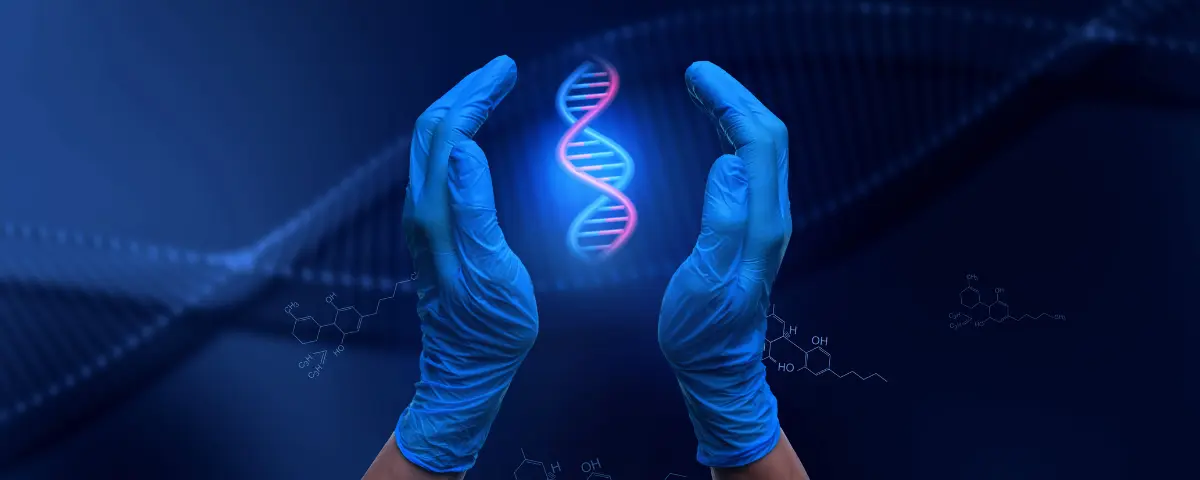
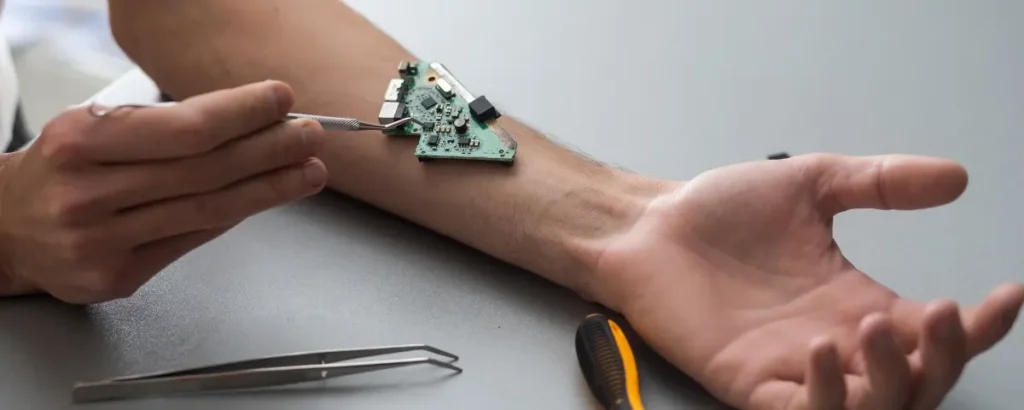
Scientists are exploring how the universe works, improving artificial intelligence, and finding more ways to efficiently utilize renewable energy. Although these fields are fascinating, the growing field of biotechnology is often overlooked, even though it’s rapidly changing healthcare. From editing genes to freezing the human body for the future, biotechnology is pushing the boundaries of what science can achieve.
What Is Biotechnology?
Biotechnology is the field of study that explores how biological processes and organisms can help solve problems. Scientists are using biotechnology to improve agricultural output, create renewable fuel sources, and clean up the environment. Most importantly, biotechnology is revolutionizing medicine and healthcare. Bioengineers at Harvard are working on 3D printing viable organs. Many people who need an organ transplant die while waiting for one. Although scientists are still working on creating organs that match the complexity of real organs, advances in this field could one day save countless lives.
Gene Editing: Can We Rewrite Our DNA?
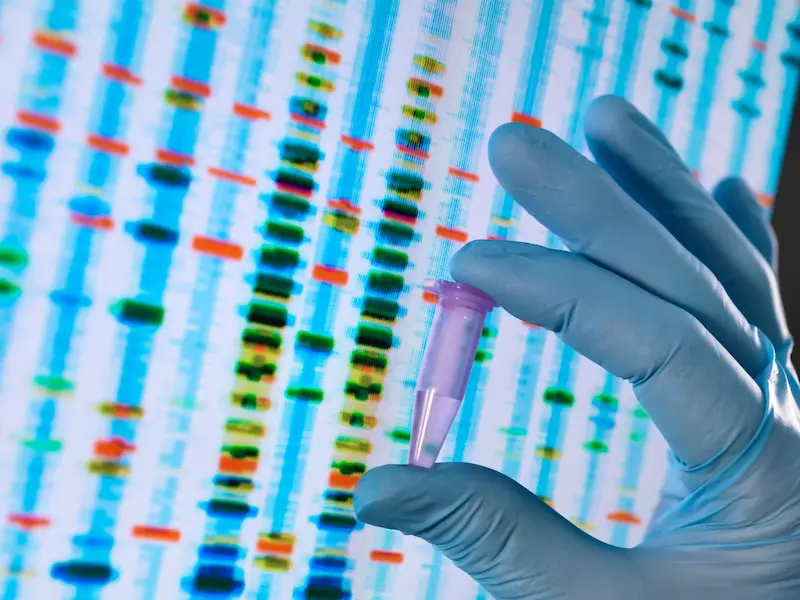
One of the most impressive advancements in biotechnology is CRISPR, a gene-editing tool. CRISPR identifies a mutated or defective gene and replaces or removes the faulty gene during DNA replication. CRISPR gene therapy involves a customized drug that a patient can take to help with a specific genetic disease, like sickle cell anemia. Currently, scientists are only using CRISPR to help people with inherited diseases. A potential ethical concern surrounding this technology is that parents could one day use it to genetically modify their children. In 2018, a Chinese scientist went to prison for using CRISPR to edit the genes of embryos that later developed into two infants. While this technology could be used to prevent genetic diseases and chromosomal disorders, it is still very new and could permanently harm the child and their offspring. There are also concerns that this technology could be used for eugenics by removing any genes that result in “undesired traits” like disabilities. Although this technology could greatly benefit society, scientists have to follow ethical guidelines to ensure that our scientific progress isn’t doing more harm than good.
Cryogenic Preservation: Could We Pause Life?
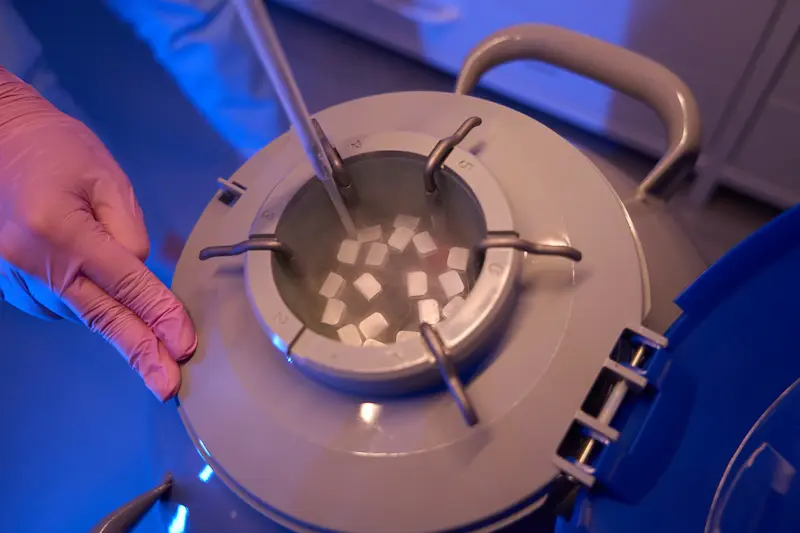
Cryogenic preservation is the process of preserving cells or living tissues by keeping them at very low temperatures. At low temperatures, biological processes slow, but the cells are still alive. Scientists inject a cryoprotective agent into the cell to prevent ice crystals from forming. Scientists have been able to use this technology to freeze embryos, stem cells, and organs to preserve them for future use. The process is very delicate since cells can easily be damaged in the freezing or thawing process, so there is no guarantee that we can keep these cells alive indefinitely.
While we’ve only been able to preserve cells and tissues, some scientists theorize that we could preserve the human body in the same way, known as cryonics. There are multiple companies in the U.S., including The Cryonics Institute and Alcor, that freeze and store human and pet remains in the hope that advances in technology will make revival possible. This process can cost hundreds of thousands of dollars, and we don’t know if it will be successful. However, if we can revive these frozen humans, we can extend life and could even achieve immortality. But would these people really want to face the psychological impacts of living forever? Since this technology is so expensive, would only extremely wealthy people live forever? These ethical concerns have made cryonics extremely controversial.
The Future of Biotechnology
Biotechnology is one of the fastest-growing and most impactful fields in STEM. The world will need more biotechnology researchers and bioengineers to help people and the planet. Many breakthroughs we considered impossible are becoming a reality. Future innovation will require thoughtful, ethical decision-making to ensure scientific progress benefits humanity without causing unintended harm. Whether it’s developing life-saving treatments through gene editing, creating replacement organs, or exploring the possibility of cryogenic preservation, biotechnology is redefining the future of medicine.
Read more deep dives from STEM to Stern at the links below.


STEM Education Works is dedicated to providing cost-effective and user-friendly access to top-notch STEM curricula and technologies, driven by our mission to transform students’ lives. Learn more about what we do through our socials, Facebook, Twitter, Youtube, LinkedIn, Instagram, and TikTok.