
What if You Could Break the Laws of Physics?
June 29, 2026
AI Concerns in Entertainment
June 30, 2026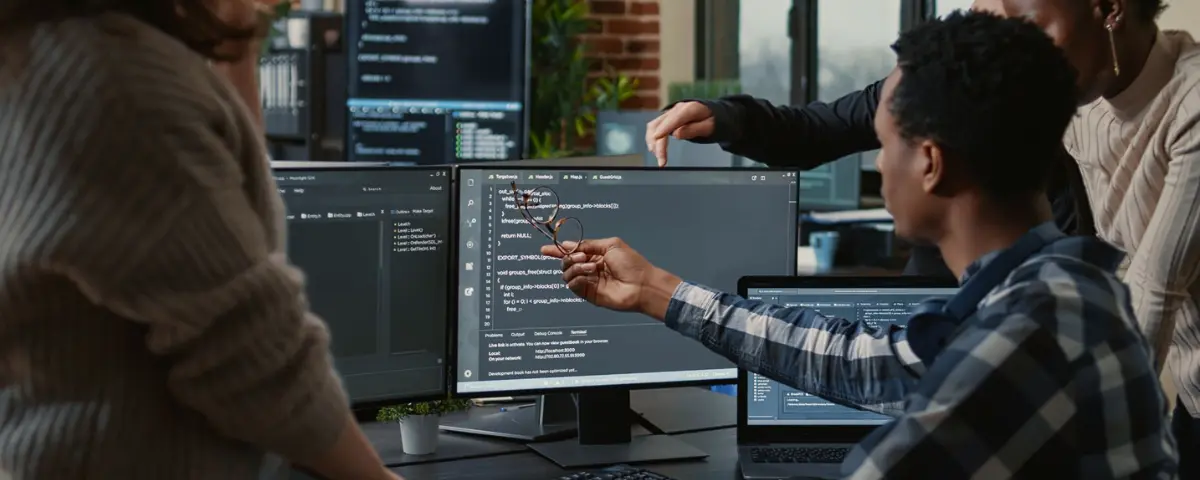
Coding powers nearly all technology. Almost every modern device with a computer chip requires code. This means that even your microwave is powered by code. Code is how humans communicate with computers. Computers need specific instructions to complete a task since they cannot think like humans. Learning to code is important for students because it builds problem-solving and computational thinking skills and prepares them for a future career working with technology.
Why Computers Use Code
Many tasks seem simple to us that a computer cannot understand on its own. Computers lack intuition, meaning they only know what they have been taught. For example, telling a robot to pick up an object won’t work because the robot doesn’t know where the object is or how to get there. Learning how to code relies on computational thinking since computers only understand very specific instructions. Computational thinking is the process of breaking down a problem, identifying patterns, and creating step-by-step instructions to solve it. This skill isn’t just valuable for computer science. Improving computational thinking skills empowers students to tackle difficult problems. Similarly, writing specific instructions is useful for students setting up science experiments or writing recipes.
Different Coding Languages for Different Jobs
All computers “speak” the same language, known as machine code. This code consists of long lines of 1s and 0s. Programming languages act as translators, enabling humans to communicate effectively with computers. Today, there are many programming languages for different purposes, and many are still evolving. According to IEEE, COBOL is a coding language that has been around for decades, and many banks, insurance companies, and government agencies still use it today because it’s reliable for handling large business and financial systems. The programming language C was developed in the early 1970s and influenced many modern programming languages. C++ extends C directly, while languages like Java and Python borrow some of its concepts and syntax. Python is one of the most popular programming languages, and many high schools and colleges teach it because large companies like Google use it. Python is also used frequently in scientific fields. The programming language R is used by statisticians and data scientists because it was designed specifically for computing and visualizing data.
How Students Learn Coding Today
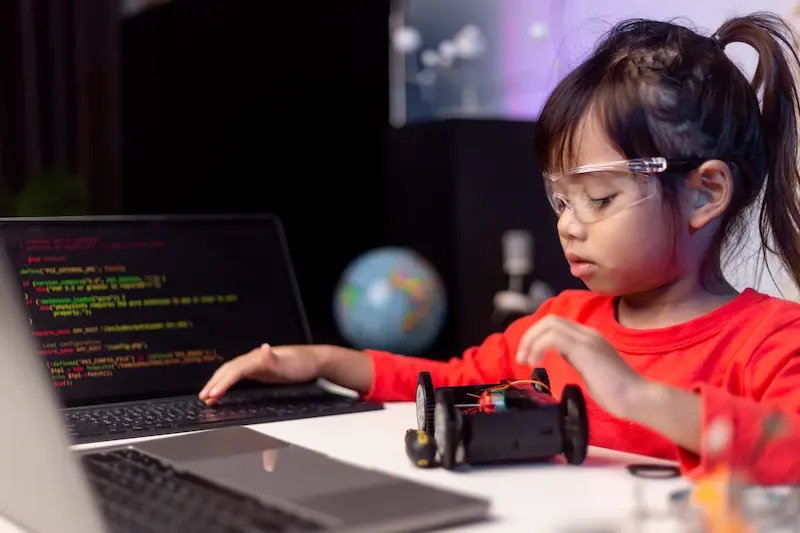
Until recently, computer science and coding were limited to older students, and many schools didn’t teach them at all. Today, coding is required in many careers, and more states are adopting computer science standards to ensure students are prepared for the workforce and/or higher education. Fortunately, learning to code is more accessible than ever before. Students can learn using online programs like Code.org and Codecademy. For a more interactive approach, students can learn through coding robots such as KaiBots or Dobot. These robots are compatible with multiple programming languages, but some younger students struggle to learn them because small syntax issues (like missing a comma or bracket) prevent the code from working. To get younger students started coding, block coding is a great option because it simplifies code into blocks for each instruction.
Why Block Coding Makes Learning Easier
Block coding is a simplified form of coding intended to help beginners learn to code and develop computational thinking skills. Students can drag blocks of code and connect them like jigsaw puzzles. This process allows students to visually see how their code fits together with colorful code blocks. Block coding is compatible with a wide variety of STEM educational tools and robots, like Dobots and Sphero BOLT. By coding a robot, students can watch the robot respond to their code in real time. This keeps students engaged and eager to solve the next problem.
Coding Starts with Curiosity
Coding is the language of the future, powering all computers. Humans can communicate with computers using code, but the languages used can vary depending on what is being coded. Coding is easier to learn than ever before due to free online resources and STEM technology. Block coding is the best way to introduce coding to young learners, as this simplified language helps them build the computational thinking skills needed to solve complex problems. If you’re looking to introduce your students to coding, we can help with computer science, technology, and robotics with corresponding curricula.
Read more deep dives from STEM to Stern at the links below.






STEM Education Works is dedicated to providing cost-effective and user-friendly access to top-notch STEM curricula and technologies, driven by our mission to transform students’ lives. Learn more about what we do through our socials, Facebook, Twitter, Youtube, LinkedIn, Instagram, and TikTok.