
Debunking What STEM Means
September 22, 2026
How do you see the intersection of the arts and STEM evolving?
September 22, 2026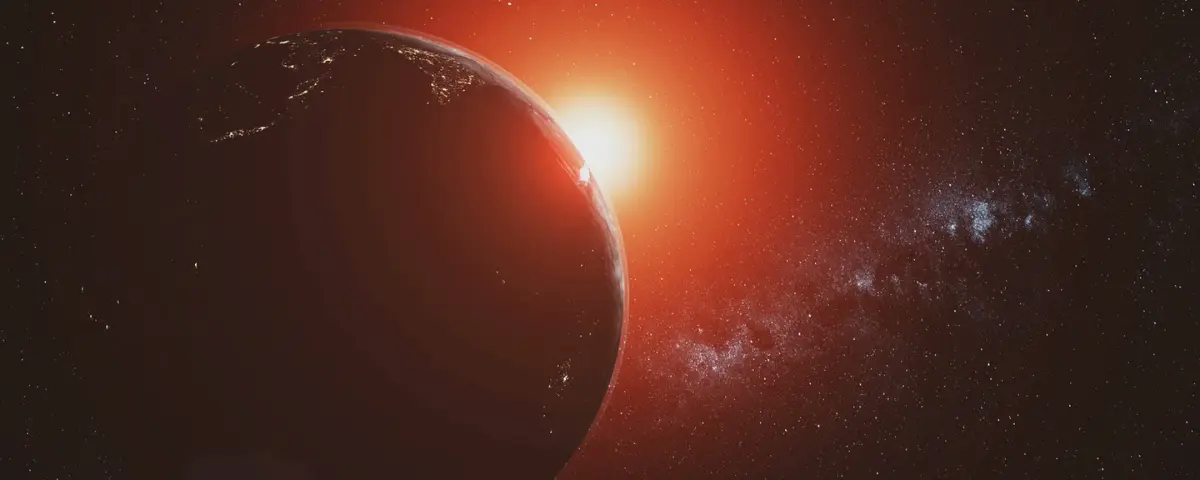
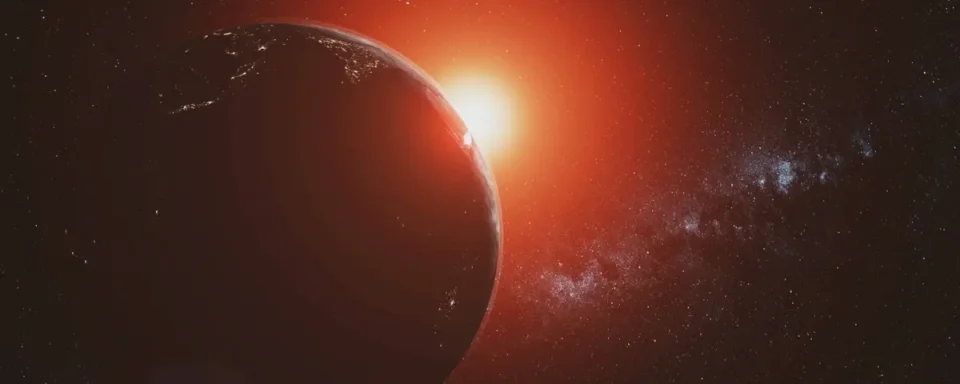
Living on other planets could be the future of humanity, but currently, it presents a huge challenge for scientists and engineers to solve. Other planets are uninhabitable to humans because of their atmospheres and environments. The ultimate goal of terraforming is to change a planet’s atmosphere to make it more Earth-like. Although Mars and Venus are Earth’s closest planetary neighbors, Mars is often considered the better candidate for terraforming.
What is Terraforming?
Terraforming is the process of modifying another planet’s atmosphere, temperature and surface to make it habitable. While it’s possible for humans to visit Mars or Venus, staying on another planet long-term would require humanity to alter the environment. For example, Mars is very cold. To stay there for years, we would spend millions on heating enclosed habitats, or we could alter the planet to raise the temperature to make it more habitable for humans. While this idea is still hypothetical, scientists at NASA are exploring the logistics of terraforming Mars.
Why Mars Is a Better Candidate Than Venus
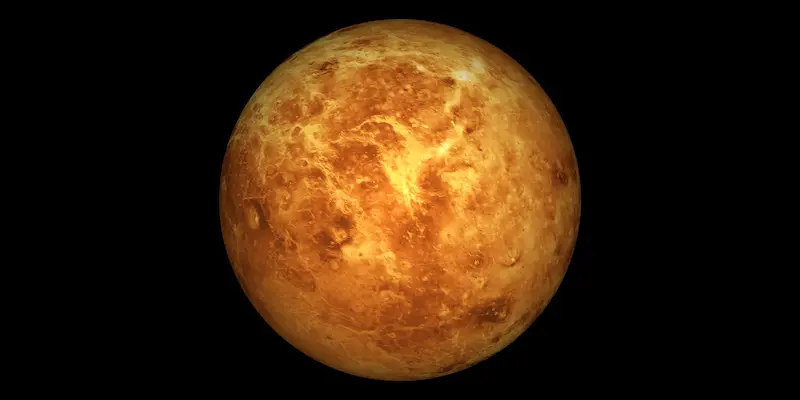
Although Venus is closer to Earth, Venus’s atmosphere is more harsh and uninhabitable compared to Mars. Venus has a very thick atmosphere, which traps heat and makes the planet the hottest in our solar system. Along with the heat, it has high atmospheric pressure, and the surface is covered in active volcanoes. While Mars has challenges as well, its environment may be easier to study and potentially modify.
The Challenge of Mars’s Atmosphere
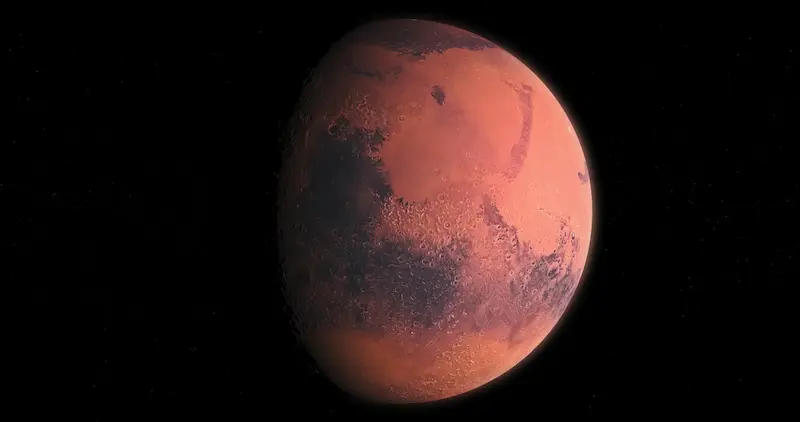
Mars has a very thin atmosphere with very low atmospheric pressure. This thin atmosphere means that Mars has less protection from extreme temperatures and cosmic radiation. There is water frozen in the polar regions, but water cannot exist in liquid form on the surface for long due to the atmosphere. Researchers at NASA have explored the idea of releasing trapped greenhouse gases into the environment to thicken and warm the atmosphere. There is trapped carbon dioxide in the polar ice caps, mineral deposits, and soil, but even if scientists could release all this carbon dioxide, it wouldn’t be enough to create an Earth-like atmosphere.
Mars also lacks a magnetosphere, which means that it has no protection from radiation. This means that humans living on Mars would need to construct buildings to protect them from the excessive radiation. While thickening the atmosphere could protect from some radiation, permanent settlements on the planets would still need protection.
Terraforming Would Take Lifetimes
Changing the environment of an entire planet would take hundreds or thousands of years. While it still is a possibility, scientists need to learn more about Mars’s environment to see if terraforming is possible. First, we would need to create a short-term settlement on Mars with habitats to protect humans from extreme temperatures and radiation. Scientists would also need to develop ways for humans to grow food in Martian soil, even though there isn’t available water or fertile soil on Mars. Altering the soil would take time, but it’s more possible that we could create fertile soil and grow crops in a protected settlement than change the entire atmosphere itself. While humans have altered Earth’s environment by releasing greenhouse gases, these changes have had serious consequences on the temperature and weather on Earth.
From Curiosity to Space Exploration
Terraforming Mars or any other planet is still theoretical, but the topic encourages students to ask questions and develop ideas about life on other planets. Even if we aren’t able to fully terraform Mars, researching other planets can lead to new discoveries. Exploring questions about terraforming helps students better understand planetary science and environmental responsibility. Future students could be leading missions to Mars and exploring ways to make Mars’s atmosphere more habitable.
Read more deep dives from STEM to Stern at the links below.


STEM Education Works is dedicated to providing cost-effective and user-friendly access to top-notch STEM curricula and technologies, driven by our mission to transform students’ lives. Learn more about what we do through our socials, Facebook, Twitter, Youtube, LinkedIn, Instagram, and TikTok.