
Pym Particles and an Exercise in Scaling
September 22, 2026
Debunking What STEM Means
September 22, 2026
Climate change is one of the most widely discussed topics in the scientific world. While the vast majority of scientists believe that our actions have affected the climate, some people hold misconceptions about what climate change is and what causes global warming. Climate change isn’t caused by a single factor. Instead, it’s the culmination of humanity’s impact on the environment.
A Single Hot Day Doesn’t Define the Climate
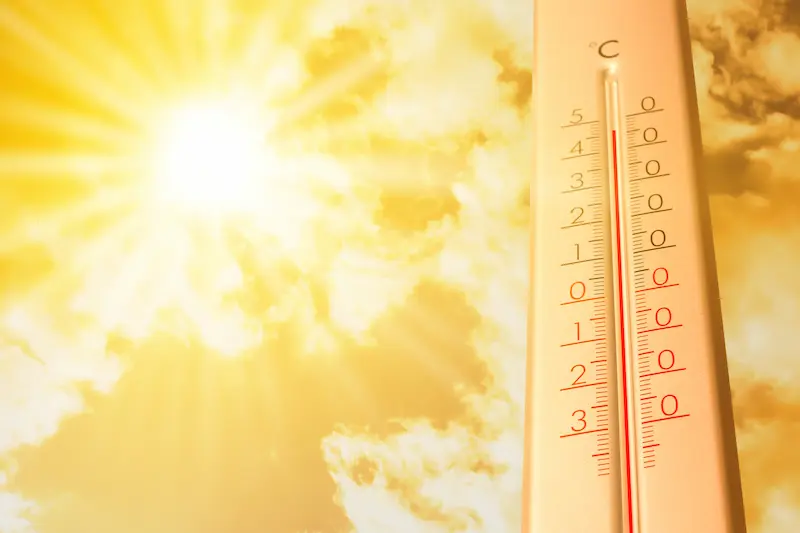
During a particularly cold day, you might hear someone say that global warming isn’t real because there is still cold weather. One of the biggest misconceptions about climate change is that a single hot or cold day can prove or disprove global warming. Climate change refers to long-term shifts in Earth’s average temperature and weather patterns, not the conditions on a single day. Since the Industrial Revolution, humans have released more greenhouse gases into the environment, causing the Earth to warm unnaturally over time. Climate change happens slowly over time, and scientists measure temperatures over decades. An extremely hot day is part of a bigger picture, but it doesn’t prove climate change on its own.
One Severe Storm Doesn’t Tell the Whole Story
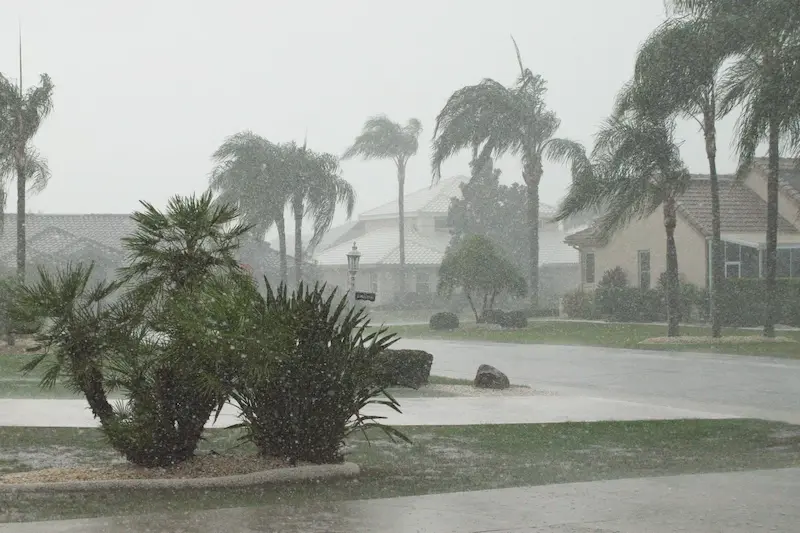
Another common misconception is that one hurricane or wildfire is evidence of climate change. While severe weather is a strong indicator that our climate has changed, scientists can’t draw conclusions based on one event. Over time, scientists have found that global warming is raising the temperature of the sea. Warmer water means hurricanes intensify faster, which makes them more deadly for coastal communities. Similarly, the West Coast of the U.S. has experienced more severe wildfires than in previous decades. Some of these wildfires are caused by human negligence, but the overall increase in frequency and intensity of these wildfires is attributed to climate change.
The Rate of Change Is Faster Than Normal
Climate change isn’t about one single unusual weather event. It’s the overall changes that show up when scientists compare data about temperatures and severe weather over several decades. Earth’s climate has naturally changed throughout history, but this doesn’t disprove climate change. There are cycles where the weather is colder or hotter for a few centuries, but this change happens very slowly. What makes today’s climate different is how quickly those changes are occurring compared to natural climate cycles.
Critically Analyzing Climate Change
Learning about climate change requires students to think like a scientist rather than relying on individual experiences. Scientists collect data from around the world over decades before drawing any conclusions. Using the scientific method, researchers collect data and analyze it until they can reach a defensible conclusion. While a severe weather event or a particularly hot summer is important data, scientists have collected data over the past 200 years to defend their claim that the Earth is slowly warming due to human activity. Using critical thinking, students can recognize scientific misconceptions.
Reducing Global Warming
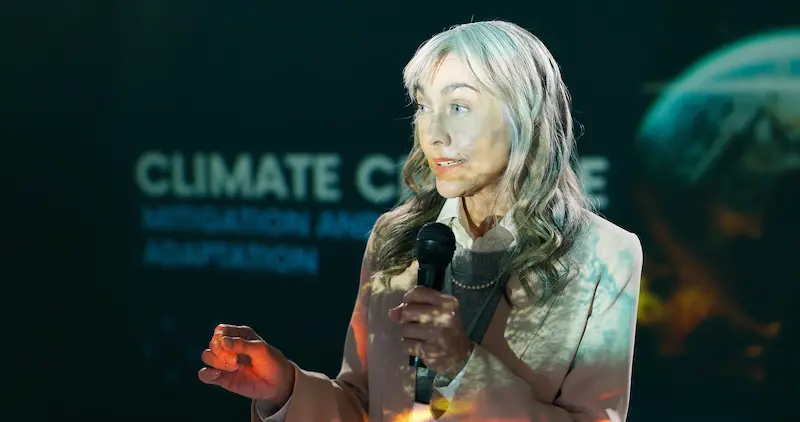
Once students understand the difference between weather and climate, they can begin exploring the science behind solutions to climate change. Just as climate change developed over many years, reducing its effects will also require many small actions over time, like limiting greenhouse gas emissions. Limiting these emissions would mean that many industries would need to turn to renewable energy, but this shift is slowly happening. Addressing climate change requires scientists and engineers to work together to develop renewable energy technologies and design new ways to reduce greenhouse gas emissions.
Read more deep dives from STEM to Stern at the links below.


STEM Education Works is dedicated to providing cost-effective and user-friendly access to top-notch STEM curricula and technologies, driven by our mission to transform students’ lives. Learn more about what we do through our socials, Facebook, Twitter, Youtube, LinkedIn, Instagram, and TikTok.