

Debunking the Biggest Climate Change Myth: It’s Not Just About Weather
September 22, 2026
Terraforming Other Planets: Can we really make another Earth?
September 22, 2026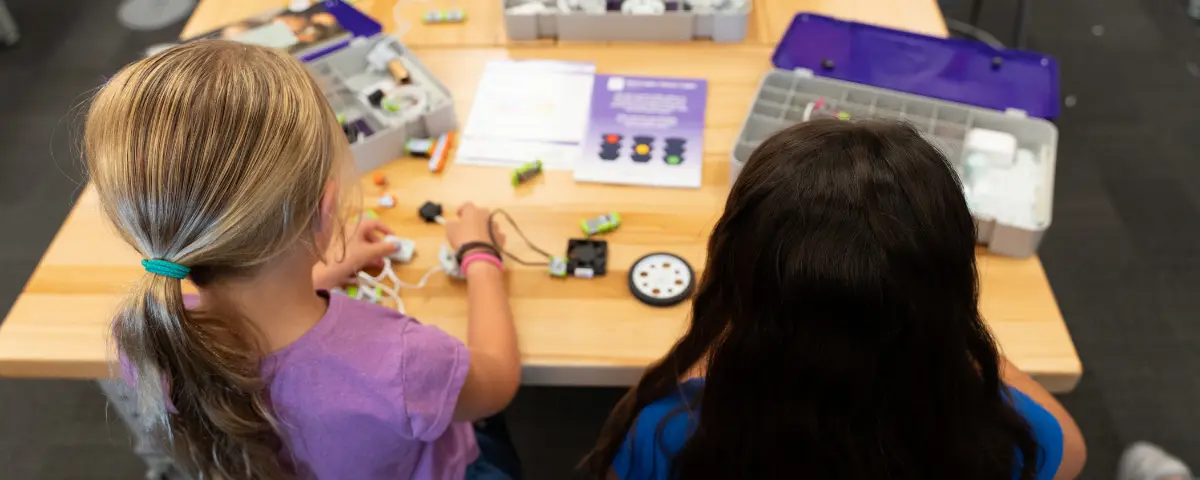
STEM is surrounded by plenty of misconceptions, especially for people unfamiliar with the subject. One of the most common myths is that STEM is all about robots, coding, and expensive technology. In reality, STEM is much broader and focuses on how we think creatively to solve problems. Similarly, STEM isn’t just an umbrella term for anything involving science or math. It’s using the skills and knowledge from all four subjects to think critically.
Myth: STEM Requires High-Tech Equipment
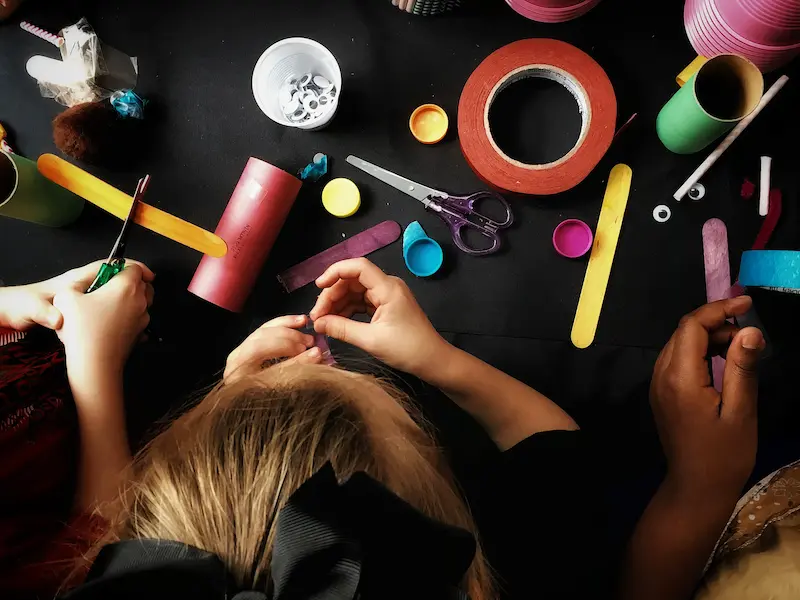
Many people associate STEM with robots, 3D printers, and coding because many people emphasize the technology part of STEM. While technology is part of the acronym, the definition of technology is much broader than many people believe. Ultimately, technology is anything that can be used for advancement. Technically, a pencil is technology because it advances written communication. Students can create prototypes out of basic craft supplies, like paper, cardboard, and popsicle sticks. While working with computers and robots is important to build tech literacy, you don’t need expensive technology to teach STEM concepts and build problem-solving skills.
STEM Is More Than Four Separate Subjects
Learning about science, technology, engineering and math are important, but it doesn’t tell the full story of STEM. STEM is about applying that knowledge to solve problems. STEM is a mindset that requires critical thinking, creativity, and perseverance. While this mindset can be helpful while running experiments or developing prototypes, STEM education is about building this mindset and the confidence to tackle difficult problems.
STEM Is for Everyone
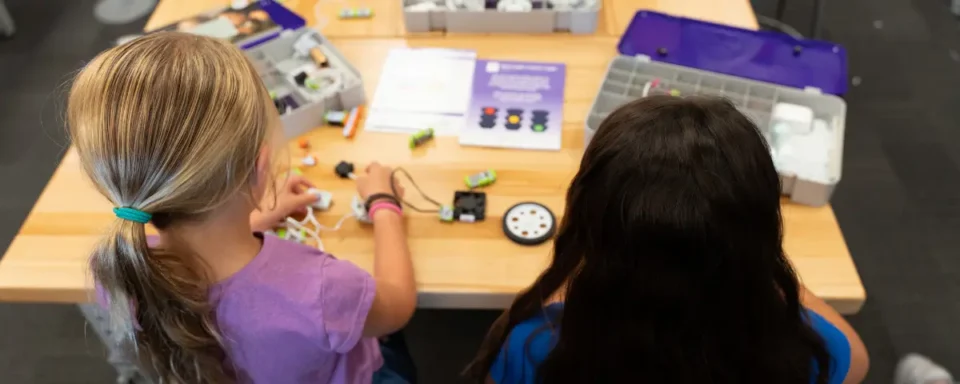
Because STEM is associated with complicated technology and technology concepts, like coding, many people mistakenly believe that only older students can participate in STEM. While STEM can be a great way to challenge older students and prepare them for the workforce, educators can begin building foundational STEM skills in early elementary school. Young learners can start building prototypes to solve problems, learn how to code using block coding, and explore basic circuitry. At the same time, STEM isn’t only for students who enjoy math and science. Every student brings a new perspective to a problem. With creativity and communication, students can work together to solve difficult problems and embrace the STEM mindset.
Rethinking What STEM Really Means

STEM isn’t about the tools being used. It’s a purposeful mindset that encourages students to ask questions, solve problems, and improve their prototypes. Whether students are using pencils and paper or robots, they’re using STEM to think critically and develop creative solutions. Debunking this myth helps students and educators realize that STEM can be a part of everyday life. Even if students don’t pursue a STEM career, these skills and mindset helps students build perseverance and problem-solving skills.
Read more deep dives from STEM to Stern at the links below.



STEM Education Works is dedicated to providing cost-effective and user-friendly access to top-notch STEM curricula and technologies, driven by our mission to transform students’ lives. Learn more about what we do through our socials, Facebook, Twitter, Youtube, LinkedIn, Instagram, and TikTok.