
Merging Biology and Technology
July 6, 2026
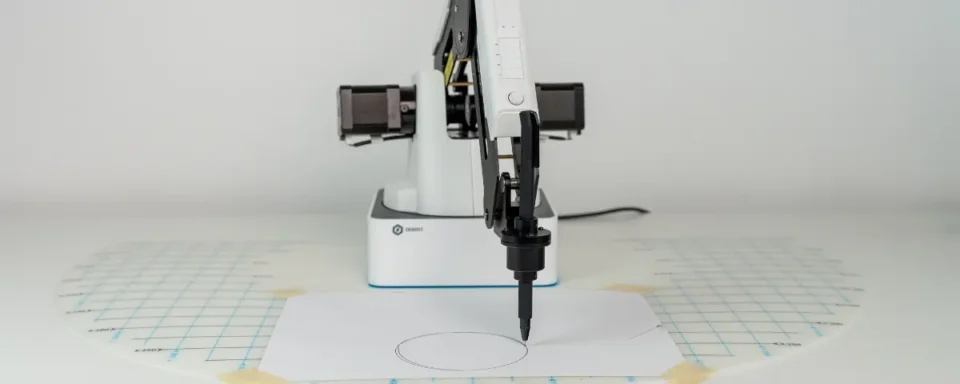
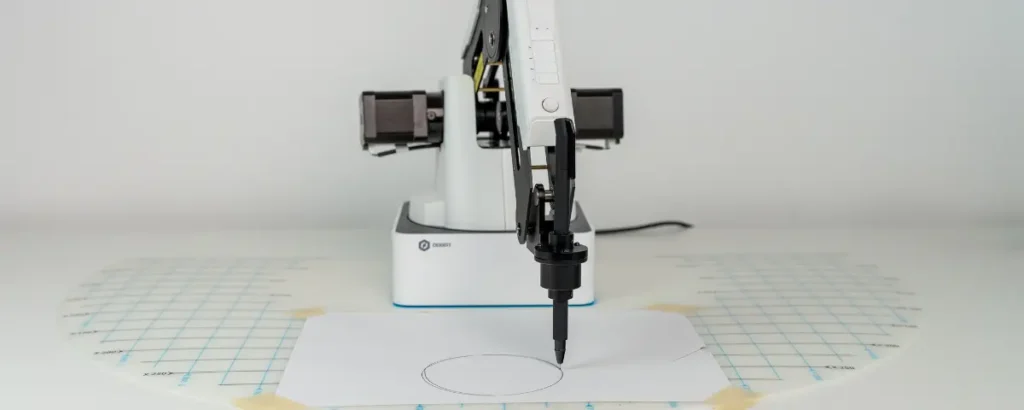
Write and Draw with Dobot Webinar
September 22, 2026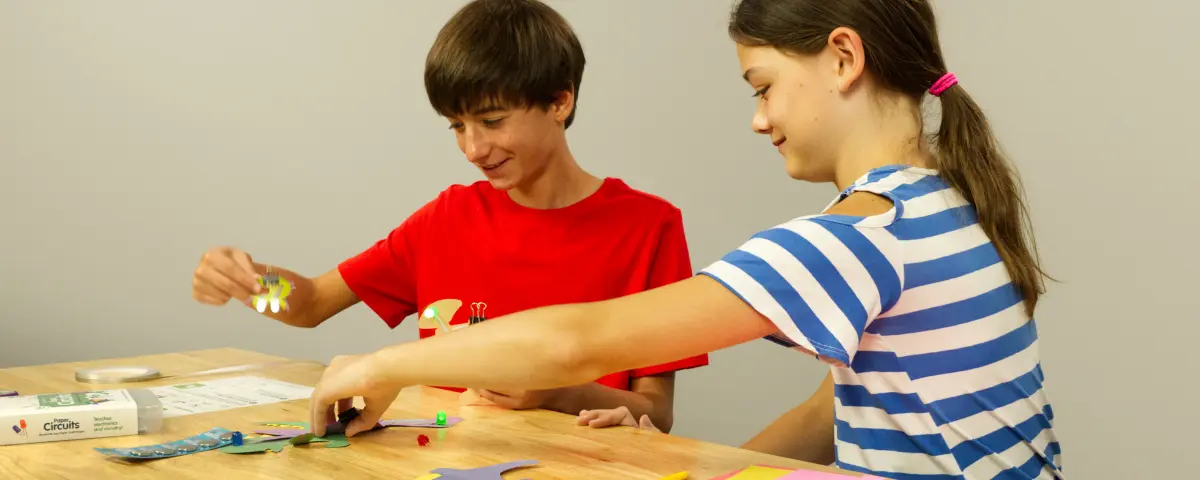
Many students struggle to stay engaged when learning about STEM, especially younger learners. With these kits, students get to express their creativity while learning about electricity and circuitry. Each kit is completely hands-on and comes with everything your students will need. These kits are perfect if you’re teaching STEM in a classroom, library, or after-school program.
Introducing Circuitry with Bristlebot
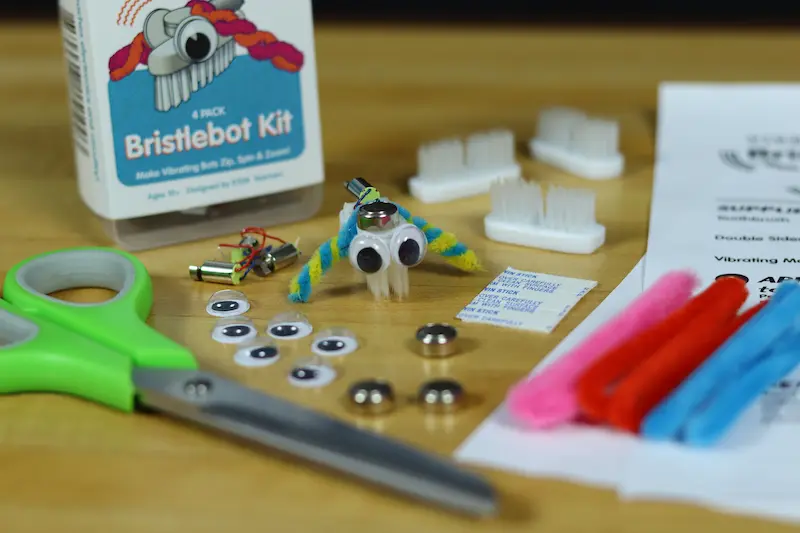
The Bristlebot kit is a great way to introduce circuitry to students in elementary schools. As more states require that students learn about electricity in early elementary school, these kits are a great way for students to get hands-on experience working with circuits and robots. Each kit comes with a small bristle brush, double-sided adhesive, button cell batteries, a motor, as well as pipe cleaners and googly eyes for decoration. To get started, all your students need to do is attach the double-sided foam tape piece to the bristle head and add the motor and battery. The motor doesn’t work until the wires are connected to the battery, which teaches young learners about energy and electricity. Once it has power, it will vibrate and move around. Students can get creative using the googly eyes and pipe cleaners to make their bots truly come alive.
Learning about Renewable Energy with Solar Bug
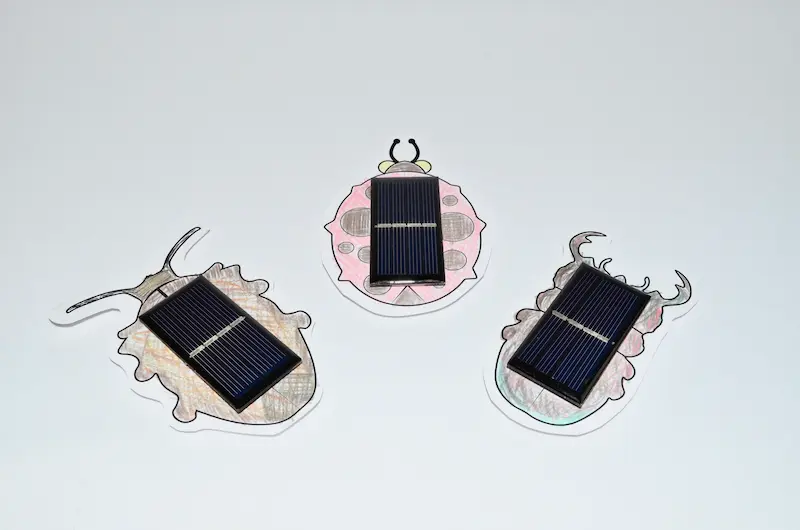
For older students, the Solar Bug kit teaches students about solar energy. Similar to the Bristlebot kit, students assemble the robot and ensure that the solar cell is exposed at the top. When the bot is outside and exposed to sunlight, it will vibrate, causing the bug to wiggle. Students can personalize the bug by coloring its body before assembling. These robots get students excited to go outside and test their creations, but keep in mind that they only activate when exposed to direct sunlight.
Hands-on Circuitry with Sewing Circuits Kit
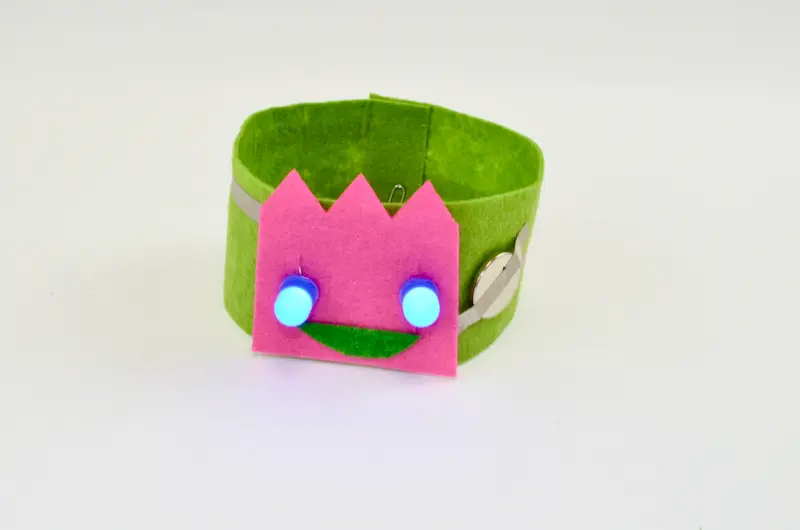
The Sewing Circuits Kit combines engineering with creativity, showing students that technology can be integrated into everyday objects. Instead of traditional thread, students sew with conductive thread that acts like wires to build working circuits directly into the fabric. As they stitch lights, battery holders, and switches into their creations, they learn how electricity flows through a circuit while building fine motor skills. Students can design wearable technology or light-up accessories. This open-ended approach encourages creativity and experimentation while helping students see how electrical engineering and design work together.
Bringing Creativity to STEM Learning
Hands-on activities make STEM concepts more engaging for students of all ages. Whether they’re building a vibrating Bristlebot, exploring solar energy with Solar Bug, or designing a light-up sewing project, students are actively applying what they’re learning. These kits help students build problem-solving skills while showing them that engineering can be fun and relevant to real life.
STEM Education Works is dedicated to providing cost-effective and user-friendly access to top-notch STEM curricula and technologies, driven by our mission to transform students’ lives. Learn more about what we do through our socials, Facebook, Twitter, Youtube, LinkedIn, Instagram, and TikTok.