

Fostering Community Connections through STEM Events
June 25, 2026
Could synthetic food and lab-grown meat end world hunger?
June 29, 2026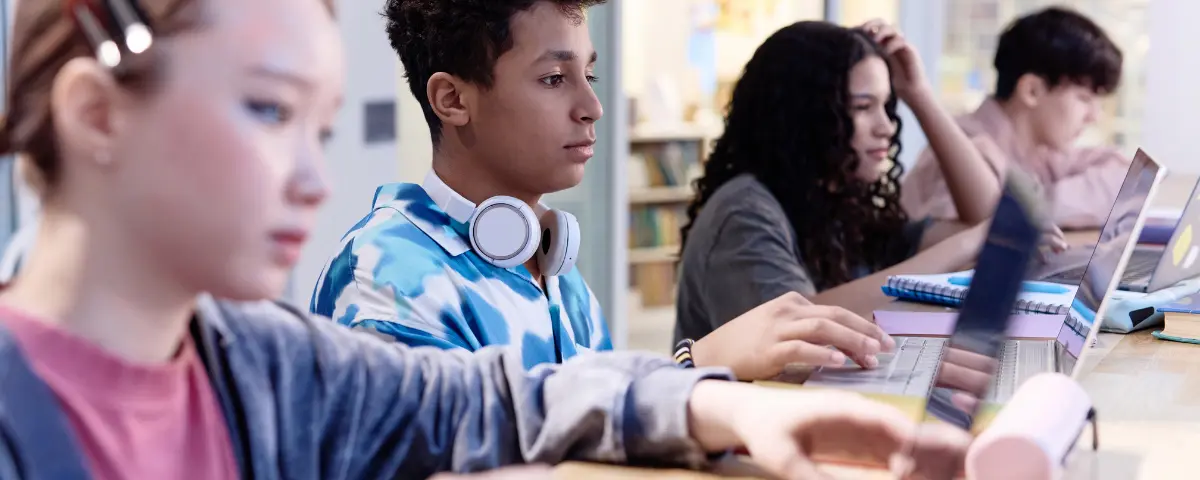
Technology changes quickly, and it’s difficult to navigate everything that’s out there, especially when many tools raise their prices or fail to protect student privacy. The rise of AI also has many educators questioning how to adapt their lessons to ensure that students are meeting requirements on their own. Implementing technology is a great way to prepare students for the future, but effective implementation requires support and training to use the technology to its fullest.
Successful Technology Integration Starts with Teacher Support
The best tools are the ones that engage students and build instructor confidence. Ultimately, if a teacher isn’t comfortable with a new app or technology, it’s fairly likely that the tool won’t be used in the classroom. Adopting a new technology requires ongoing training, so teachers feel confident answering questions and troubleshooting on their own. The key to strong implementation is in-depth research before the technology ever reaches classrooms. District leaders play a critical role in ensuring the technology is secure and will protect student privacy. These leaders also need to prioritize training teachers and creating a support system where teachers know where to go when they need help with the technology in their classroom.
Student Podcasting Creates Authentic Learning Opportunities
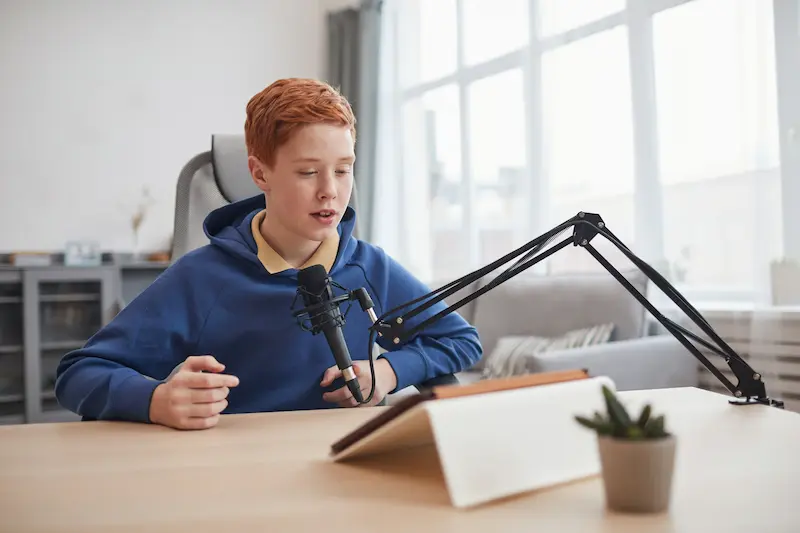
A podcast room is a simple way to expose older students to creative technology. Students build their research, writing, and speaking skills by creating podcasts on educational topics. Students can create podcasts on historical events, books, or popular media. Students learn how to communicate and collaborate while building creative storytelling skills. This technology can seem intimidating for teachers, but once a few responsible students understand how to turn on the microphones and record, they can teach other students and answer questions.
Canva Stands Out as a Classroom Favorite
Canva is a well-known tool for many educators. It makes creating high-quality graphics a breeze, and it partners with schools and teachers to help teach graphic design and visual communication. And the best part is: It’s free! Canva continues to add more features, like AI tools, but it’s still very user-friendly. Since Canva is a website, students can collaborate on designs, and teachers can leave feedback directly on the design. This tool is great for introducing young students to visual design as well as challenging older students to create digital portfolios.
Artificial Intelligence Is Changing Education, Not Replacing It
AI continues to be the biggest question in education. How do we discourage students from using AI on assignments? How do we teach students how to use AI critically? AI isn’t going away, so it’s up to educators to teach students how to use it responsibly. AI is changing the education game just like Google did.
Before search engines, students had to scour the library searching for a book on a chosen topic. After Google exploded in popularity, students were googling answers and not thinking critically about where they were getting their information. With AI, students need to realize that they have to check their sources because AI can make mistakes or hallucinate information. Keep students responsible by having them check where the information is coming from and what prompt they gave to AI.
Assignments also have to adapt to our AI world. AI can provide a lot of information about a topic, but it’s not human. It cannot write a personal narrative or reflect on an experience. Keep your assignments authentic and require students to demonstrate their knowledge, rather than just recall it.
Virtual and Augmented Reality Immerse Learners
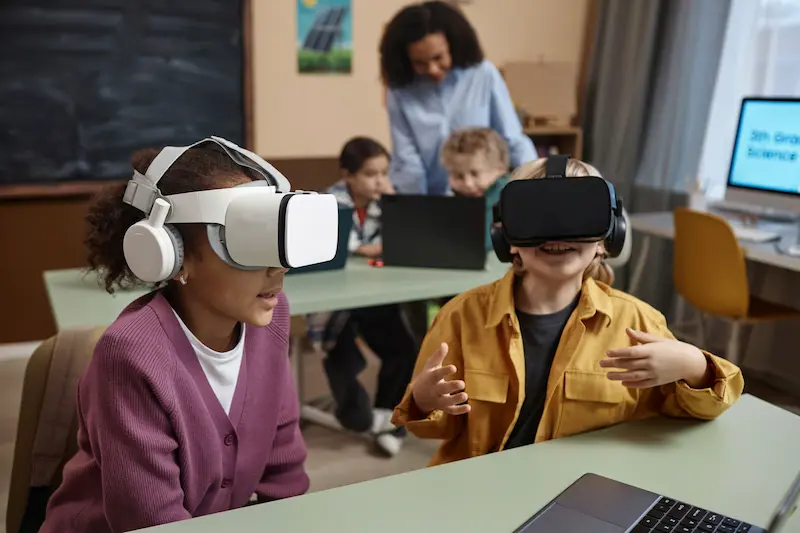
Virtual reality (VR) and augmented reality (AR) are great ways to introduce students to technology and increase student engagement. VR fully immerses students in a different world because students wear a VR headset. While wearing the headset, students can experience historical events or run a science experiment without any safety risks. This technology is a great way to keep young students focused, especially if they are visual learners.
Augmented reality adds 3D models, images, or text onto the real world through a tablet or smartphone. This means that AR doesn’t require a headset. Your students can interact with 3D models of complex systems like the human heart and circulatory system. In a STEM classroom, this technology can be used to visualize prototypes before building them or to test their digital designs. Using this technology, students see how a design functions before investing time and materials in creating it.
What School Leaders Should Focus on Next
Educational technology is always evolving, and AI has completely changed the game. AI literacy is crucial for educators, so they can teach the next generation to use AI responsibly. Before introducing a new tool, carefully evaluate it and prioritize technology that encourages students to be creative and apply their learning. Ultimately, technology should assist learning, not drive it. The most successful tools prepare students for a future where adaptability, creativity, and critical thinking matter more than ever.
STEM Education Works is dedicated to providing cost-effective and user-friendly access to top-notch STEM curricula and technologies, driven by our mission to transform students’ lives. Learn more about what we do through our socials, Facebook, Twitter, Youtube, LinkedIn, Instagram, and TikTok.