

STEMifying with a Chance of Failure
June 16, 2026
School and Industry Partnerships
June 16, 2026
Creating a STEM classroom or lab filled with educational technology is a dream for many educators. Most standard school budgets aren’t enough to bring this dream to life, so securing a grant is essential for getting the funding you need. Many educators know grants are out there but struggle to find opportunities that fit their needs. A strategic approach to researching grants and writing your proposal increases the likelihood of success. We have some helpful resources and tips to help you fund the classroom of your dreams.
Why Grants Matter for STEM Education
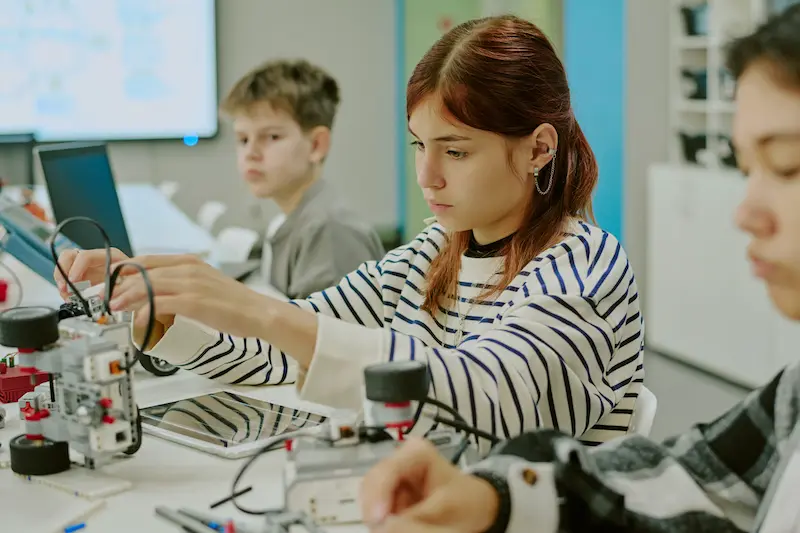
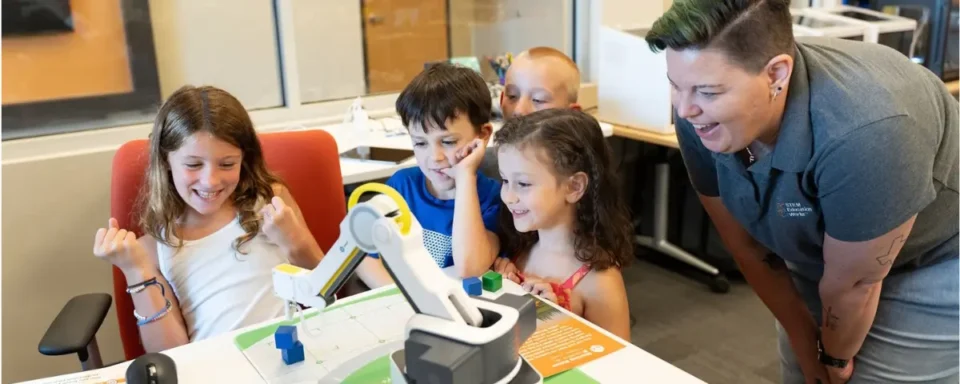
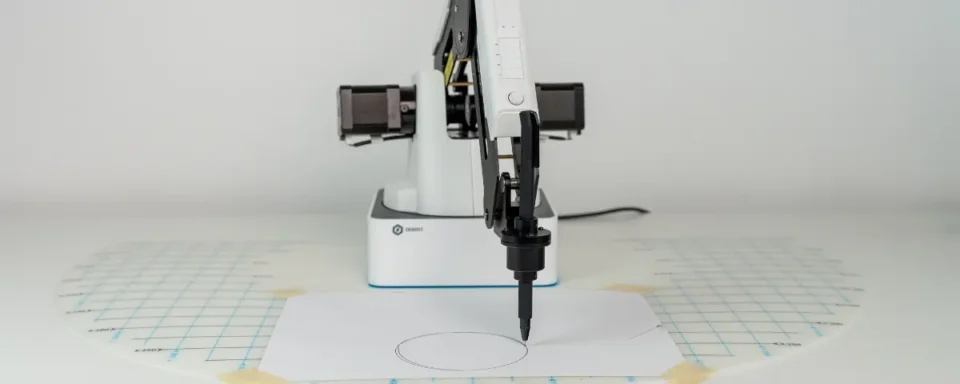
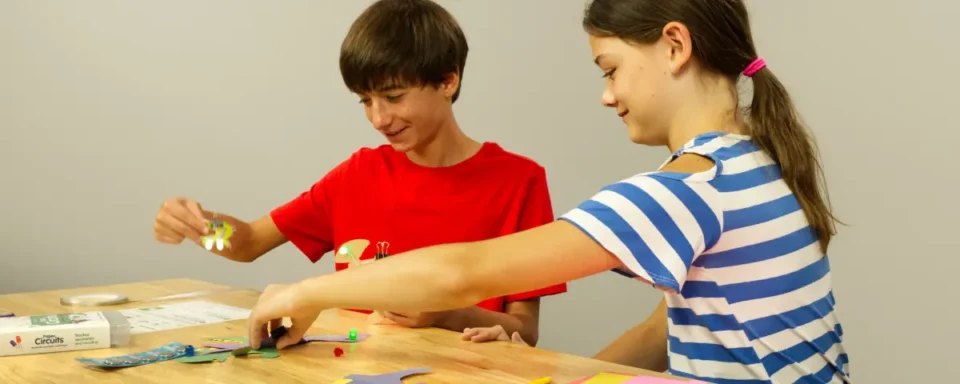
STEM education is growing, and many employers are looking for STEM skills in future employees. Still, many schools cannot afford the equipment, curriculum, and training needed to implement a STEM program. With a grant, schools can give students to work with technology and develop skills needed to succeed in a future STEM career. Even if you already have a STEM space, updating the technology and creating opportunities for students to learn 3D printing, automation, and circuitry can be outside of the budget. Grants are important for preparing students for the future, and many grants are specifically designed to fund STEM education.
Before You Start: Planning for Grant Success
Although every grant is different, here are some general tips that will help you before you start writing.
- Know Your Audience: Research the organization and try to apply what students will learn in your classroom to the organization’s mission and priorities. For example, if you’re applying for a grant from an environmental protection organization, mention how your students will learn about renewable energy in your STEM classroom. Avoid generic copy-paste applications and be specific about what students will learn in your classroom.
- Develop a Clear Narrative: Define the problem you’re trying to solve. For example, students struggling with math may learn better if they can apply what they’re learning to an engineering project. Next, explain why this issue is important. Why do students need STEM? How will this technology prepare them for the future? Then, connect the issue to your goal by focusing on the impact on students and the community.
- Find a Grant Writing Partner: Working on a grant with another educator helps keep you accountable. Partnering with another teacher gives you a new perspective. For example, if you’re trying to get a STEAM grant, consider partnering with an art teacher to help you connect standard STEM education with art. Another set of eyes are also great to help you edit and proofread your proposal before you submit your grant proposal.
Understanding Different Types of Grants
Every grant is different, and you need to tailor each proposal to what the grant is for. First, there are classroom grants, which fund supplies and equipment for your classroom. These are typically fairly small and generic. If you’re inexperienced in teaching STEM, consider applying for a professional development grant. These grants fund training programs and workshops as well as conference trips. Many funders are also creating STEM-specific grants to fund STEM equipment, curriculum, and technology. These can vary widely in how much funding you’ll receive. Some grants from larger technology companies, like Toshiba, can fund a STEM program for your entire district while others only fund some technology for your classroom. There are plenty of other opportunities like environmental education grants, arts education grants, and special education grants that could apply to your STEM project or classroom.
Understand Grant Funding Levels
As you’re researching grants, you’ll find some that could easily fund a complete classroom while others could fund supplies for a classroom project. In general, there are three grant funding levels.
- Major Grants: These are usually from major technology companies and are open to schools across the nation. This means that they are usually more competitive, and if you get the grant, there are usually higher reporting requirements. This means you’ll have to create a detailed proposal and diligently measure the impact of your project.
- Mid-Level Grants: These grants are usually limited to a specific state or region. These grants could come from the government or large businesses in your state. These options are great for funding curriculum and equipment for your classroom. The reporting requirements are also less thorough than a major grant.
- Mini Grants: These grants usually come from local organizations or education foundations. Usually, the application process is faster, but you’ll likely only receive a few hundred dollars. Nonetheless, these grants are great for funding small classroom projects.
Where to Find STEM Grant Opportunities
Looking for a grant can be the most difficult step in the process. We’ve created a grant database on our website where you can search based on location, amount, and deadline. Depending on your needs, you could start nationally by looking at resources like grants.gov or the NEA Foundation. You can also explore options from national professional teaching organizations and corporate grant programs, like the Bill and Melinda Gates Foundation or the Toshiba America Foundation.
From there, you can narrow down to resources from your state. Explore state education agencies and retired teacher associations. Many states have programs dedicated to supporting STEM education. For example, the Indiana Department of Education has several grants dedicated to funding STEM education.
Within your own district, look for opportunities from education foundations. Many local businesses, like utility companies, electric cooperatives, banks, and credit unions, will have grants available for local schools and nonprofits.
Writing a Strong Grant Proposal
So you’ve found a grant you want to pursue; now you have to write the grant. Writing a grant is essentially outlining a detailed plan for your project and why the project matters. First, create a compelling mission statement. This statement should briefly outline the purpose of your project and the impact it will create. Here is a template for what a mission statement should look like: “The mission of (name of program) is to (your primary purpose) by providing (your primary functions or activities) to (your stakeholders).” This is a good starting point, but your mission statement is your opportunity to stand out from other applicants, so making your statement unique is important.
Next, outline the goals and objectives of the project, starting with the broader impact. How will this project/program benefit students over time? From there, you can get more specific about your process, connecting each step to a specific objective. Research what supplies you’ll need and create a detailed budget outlining where the funding will go. Then, develop a timeline for your project. Most grants require you to use the funding by a specific date, so a timeline can help keep everything on track.
As you’re outlining your process, remember that most grants have reporting requirements. Plan ahead and mention in your proposal how you’ll keep track of how many students have been impacted by this funding. The more specific your plan is, the stronger your proposal is.
Managing the Grant After Funding
So, you’ve got the funding you need, but now you have to keep track of where it’s all going to go. Data collection can’t be an afterthought. Keep track of student performance before and after your project to measure the effectiveness of your program. If it’s a smaller project or a program with many students, keep track of how many students participate. You can also incorporate student reflections and teacher observations to demonstrate your program’s success.
Many grants require you to track your spending carefully. So, as you spend your hard-earned grant money, keep track of receipts and document every purchase to make sure you’re within your budget.
Once you’ve received a grant from an organization, that connection is an opportunity to build a relationship with that organization, especially if they’re a local business. By keeping your funder updated on your program, you have the opportunity to renew the grant or apply in a later year to expand your program.
Turning Funding Into Lasting Impact

Writing a successful grant starts long before you submit the application. Finding a grant suited to your classroom’s needs requires research and careful planning. When writing the grant, outline your plan and focus on how this funding will help students or important stakeholders. The work doesn’t stop when you get the grant. You have to collect data to measure your program’s success and comply with the reporting requirements of your grant. With the right approach, grants can help educators create engaging STEM projects or spaces where students can explore STEM technology.
STEM Education Works is dedicated to providing cost-effective and user-friendly access to top-notch STEM curricula and technologies, driven by our mission to transform students’ lives. Learn more about what we do through our socials, Facebook, Twitter, Youtube, LinkedIn, Instagram, and TikTok.