

Is wind power weaker than coal?
June 11, 2026
Renewable Energy with Horizon Educational
June 12, 2026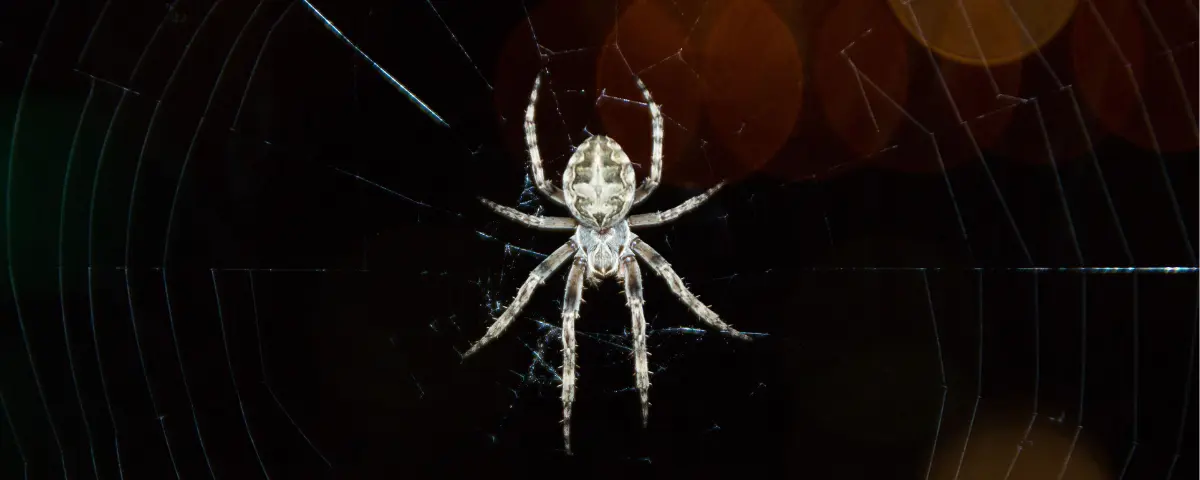
STEMgineer’s Guide to Problem Solving Workbooks
In the Marvel comics, one spider bite led to superhuman powers and the hero we know as Spider-Man. Once bitten, he gained the ability to shoot webs and climb walls, plus a spider-sense that warned him about incoming danger. In the real world, getting bitten by a spider causes swelling and itching, and a bite from a venomous spider could be extremely dangerous. While you won’t gain any powers, exploring the potential science behind Spider-Man connects to STEM topics like genetics and biotechnology.
Why a Spider Bite Won’t Give You Superpowers
Nearly all spiders have venom, but only a few species can harm humans. Spider venom is made up mostly of digestive enzymes that help the spider kill and eat its prey. Venom from Black Widow or Brown Recluse spiders contains dangerous neurotoxins that can cause serious damage to humans. A spider bite from a normal spider will result in swelling and redness around the bite. The venom from the bite cannot change your DNA, unlike the spider that gave Spider-Man his powers.
The Science Behind Spider-Man’s Origin
In the original story, Spider-Man wasn’t bitten by an ordinary spider. Rather, he was bitten by a radioactive spider. This radiation altered his DNA and gave him spider-like abilities. In the real world, radiation is more likely to damage cells than create beneficial mutations. In modern adaptations, like the Spider-Man and Amazing Spider-Man movies, the spider that gives Peter Parker his abilities was genetically modified. This idea is more realistic, since a genetically modified spider could transfer DNA through its venom and modify its prey’s DNA. Modified DNA is a more plausible explanation for Spider-Man’s powers.
Could Genetics Change Human Abilities?
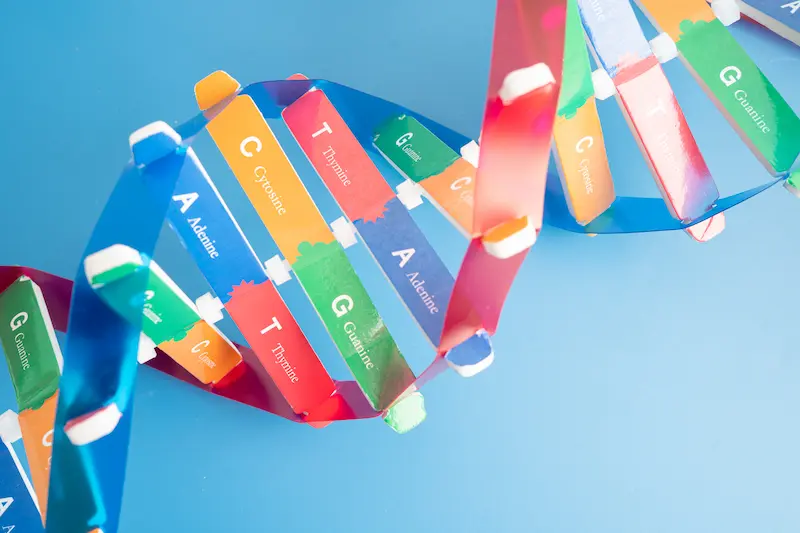
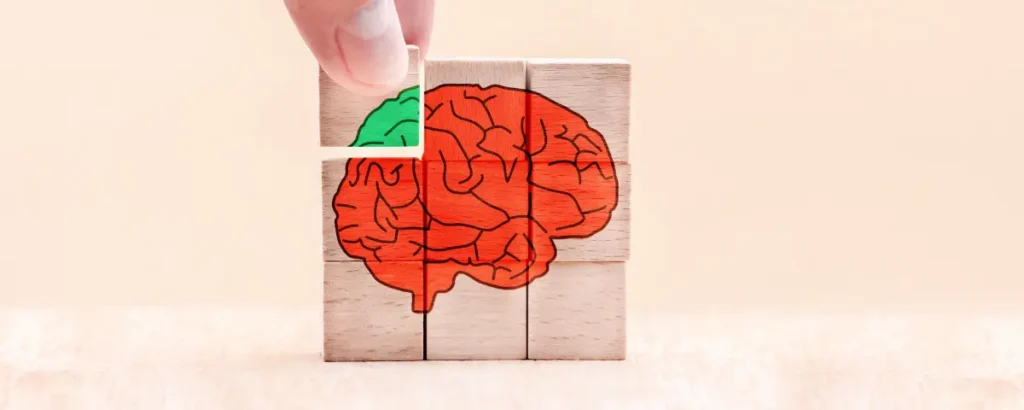
In the real world, scientists use modified DNA to help people with genetic diseases. This process is known as gene therapy. According to the FDA, scientists can replace disease-causing genes with healthy ones or inactivate them. While these new genes can help people suffering from genetic diseases such as sickle cell and hemophilia, they don’t give patients superhuman abilities.
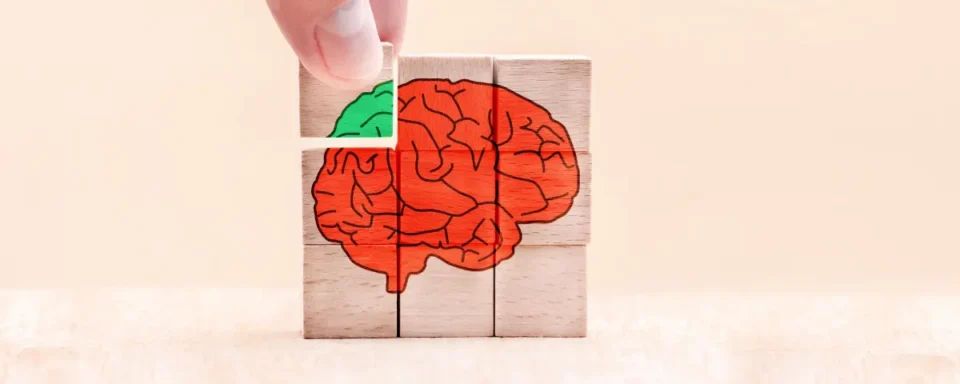
Scientists also use genetic engineering to change or add specific traits to an organism. You may have heard of genetically modified organisms (GMOs), which are the product of genetic engineering. Some varieties of genetically modified corn are resistant to herbicides or specific insects, which helps farmers produce more corn. Genetic engineering is controversial in humans, but the process has been important in the development of the hepatitis B vaccine and some cancer therapies. Scientists prioritize helping sick humans over giving them superhuman abilities, but there is still a possibility that genetic engineering could grant them additional abilities.
What About Nanotechnology?
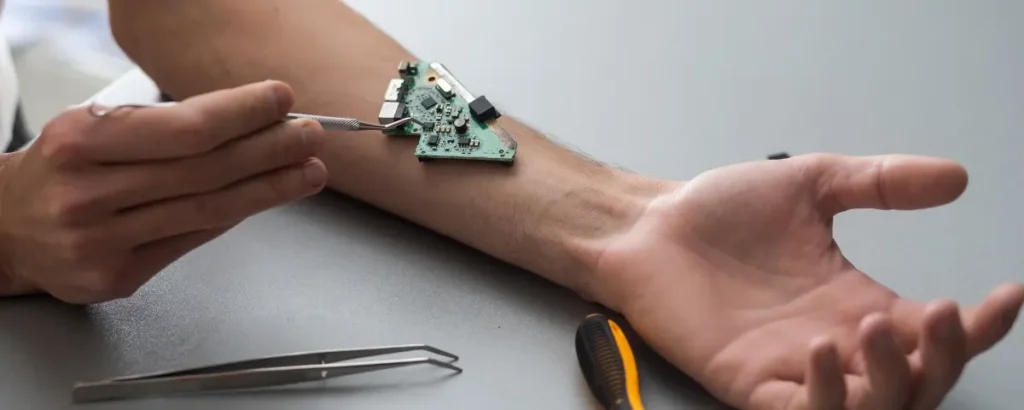
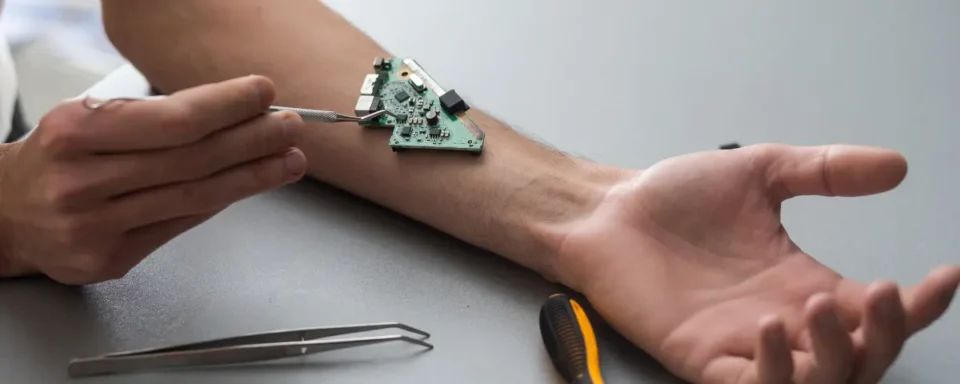
Another possibility for Spider-Man’s abilities is nanotechnology. The spider that bit Peter Parker could have been a robot spider that injected microscopic nanobots into his body, which then gave him superhuman abilities. Scientists are already working on using nanotechnology to deliver drugs to specific parts of the body and to deploy nanobots as health monitors inside the body.
In the future, scientists could use nanotechnology to make humans stronger or heal faster, but that technology is still far off. Encourage your students to consider how they could use nanotechnology to give humans superpowers and which superpowers it would be best used for.
Science Fiction Inspiring Real Science
Spider-Man’s powers are still fictional, but scientists are researching genetics and nanotechnology to help humans. Scientific advancements in biotechnology have made Spider-Man’s powers more probable, so it’s possible that his origin story could evolve as scientists explore genetic modifications and nanotechnology. Spider-Man’s story continues to spark curiosity that leads to real innovation, showing that sometimes the most interesting STEM questions begin with a comic book.
Read more deep dives from STEM to Stern at the links below.
STEM Education Works is dedicated to providing cost-effective and user-friendly access to top-notch STEM curricula and technologies, driven by our mission to transform students’ lives. Learn more about what we do through our socials, Facebook, Twitter, Youtube, LinkedIn, Instagram, and TikTok.