

Middle School Curriculum & Technologies
June 8, 2026
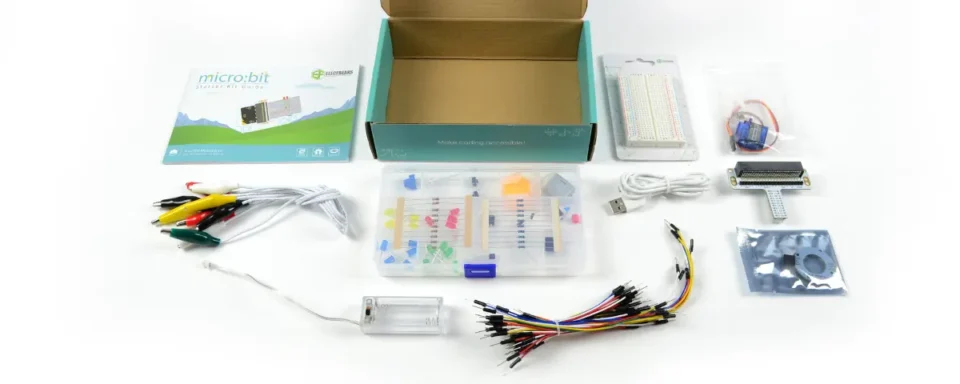
micro:bit – Small, but Mighty!
June 8, 2026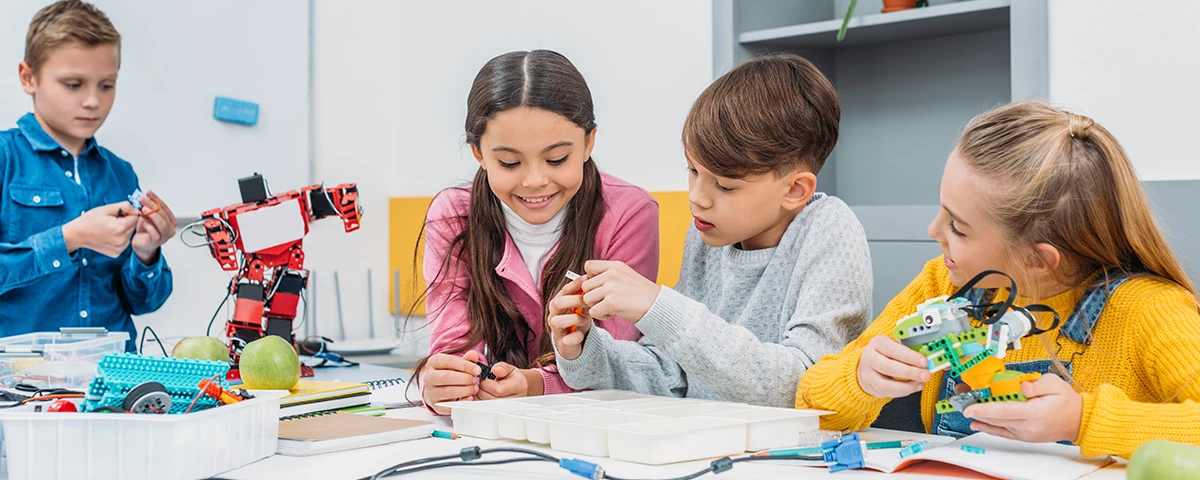
STEM spaces don’t need expensive technology or large budgets to make an impact. Whether it’s a dedicated lab, a classroom corner, or a mobile cart, the goal is to create opportunities for students to explore, collaborate, and solve problems. If you’re planning your space or looking to reorganize or expand, we have some helpful tips to ensure that your students will love learning and exploring STEM in your classroom.
Design for Flexibility
Every classroom and space is different. Every project your students complete will require different technology and a different setup, so flexibility is a key part of creating a STEM space. All the furniture in your space should be rearrangeable, so you can move and cluster tables based on what project you’re working on. Tables with wheels make moving your classroom around much easier, but using rubber chair leg covers can also help, while protecting your floor from scuffs. If you have the budget, look into Custom Educational Furnishings. Their tables come with magnetic stools that attach under the table, so you can move the chairs and table together. Another important part of creating a flexible classroom is having open space. Having space to work besides the tables gives students options. Some students prefer lying on the floor or sitting on the floor as a group to complete projects. Ultimately, flexibility is crucial to creating a space that works for you and your students.
Create Opportunities for Collaboration
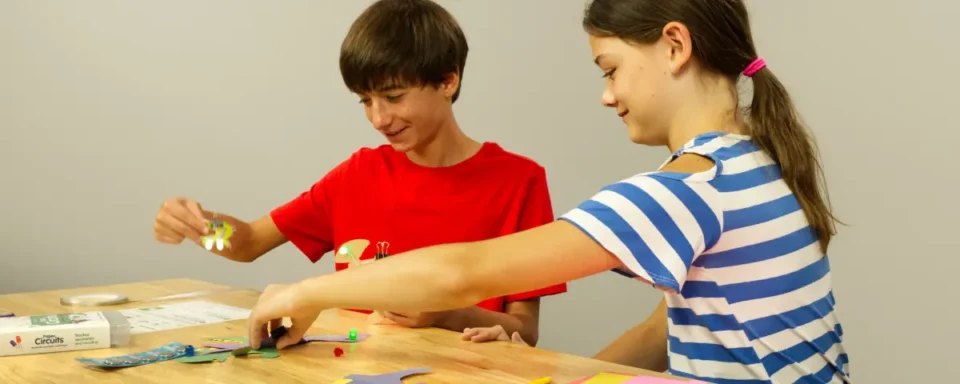
STEM is all about collaboration. When students work together, they learn how to brainstorm and test ideas to find a solution. Your classroom setup can have a huge impact on how students collaborate. Cluster desks are a great way to encourage your students to share ideas and supplies. Some students (especially gifted students) have difficulty collaborating and would prefer to handle a task by themselves. While it’s important that your space has room for independent work, many STEM problems require collaboration to solve difficult problems. To facilitate this process, assign everyone in a group a role, like team captain, project tester, scribe, materials manager, and timer. Creating a space where students are comfortable working with others to solve problems is important for creating a STEM space.
Make the Most of Your Resources
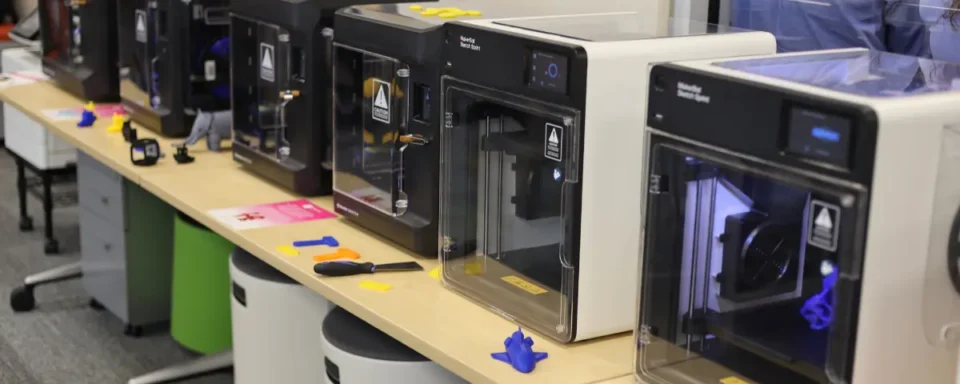
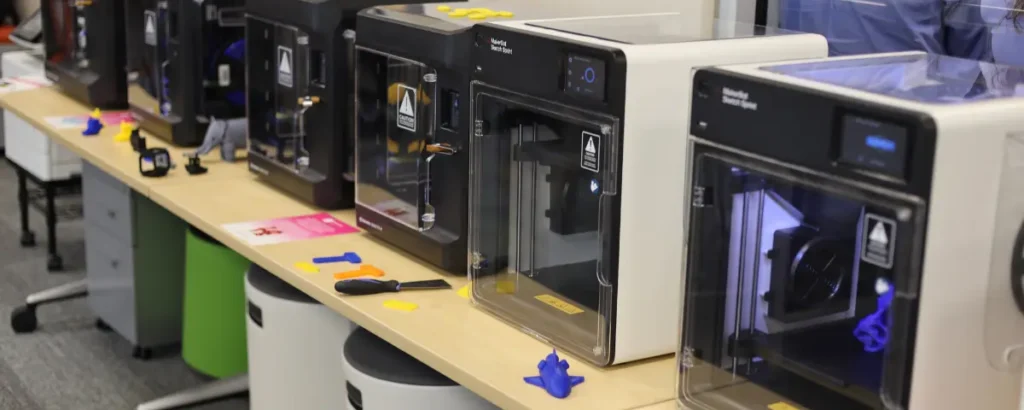
In education, there are always budget limitations, so making the most of what you have isn’t unfamiliar. Your STEM classroom doesn’t need expensive robots or 3D printers if you don’t have the room in your budget. Technology is an important part of a STEM space, but it shouldn’t be the only focus. You can start simple with basic building materials and tools like cardboard, construction paper, scissors, and tape. Anything your students can use to create and test ideas fits into a STEM classroom. Hands-on creation is important for prototyping before students get experience working with digital tools. To keep everything organized, you can use clear storage bins, so students know exactly where specific supplies belong. You could also color-code your supplies, so every uniquely-colored table knows what supplies to use and keep track of.
Over time, you can explore grants and community partnerships to expand your resources. Bringing STEM technology into the classroom keeps students engaged and prepared to tackle future challenges. If you’re looking to bring robots or 3D printing into your STEM space, we have a plethora of grant resources on our website and can give you a quote for how much funding you’ll need.
Plan for Storage and Sustainability
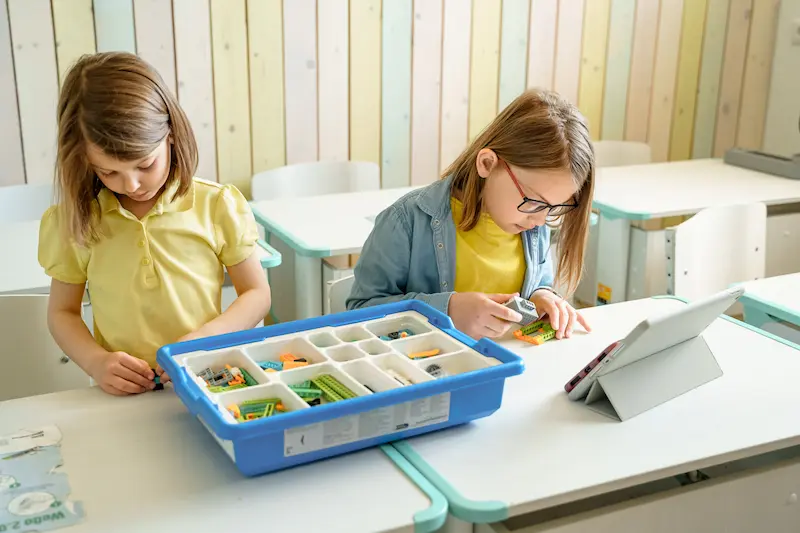
STEM projects can often take multiple days or weeks of work, meaning that you’ll need places to store unfinished student work. Invest in large storage bins or ask for donations from parents or the local community. You’ll also need spaces to store classroom materials and technology. Lots of STEM technology needs available electrical outlets to charge, so carefully plan your space around charging stations. You could also store unused materials in a custodial closet or storage closet. Keeping everything organized is essential to making sure that nothing gets lost throughout the school year (including your sanity).
When you’re creating or updating your STEM space, plan for the future and work with your district to ensure that no gaps are left. This means that all students should have exposure to STEM. Career readiness is another important factor that will keep your STEM program running for many years. Introduce your students to a wide variety of STEM careers and connect with local STEM companies to ensure that your community understands the value of STEM education.
Create a Space Students Want to Use
Ultimately, the goal of your space is to get your students excited about STEM. The most successful STEM spaces aren’t necessarily the ones with the newest technology or biggest budgets; they’re the ones that inspire curiosity and collaboration. Your students should help shape the space by displaying their projects and creating a classroom where they feel comfortable exploring and learning. Whether you’re starting a dedicated STEM lab or a small corner of your classroom, thoughtful design can transform how students learn STEM. By prioritizing flexibility, collaboration, and organization, you can create a space that empowers students to solve problems and think critically.
STEM Education Works is dedicated to providing cost-effective and user-friendly access to top-notch STEM curricula and technologies, driven by our mission to transform students’ lives. Learn more about what we do through our socials, Facebook, Twitter, Youtube, LinkedIn, Instagram, and TikTok.