
How do you see the intersection of the arts and STEM evolving?
September 22, 2026
Bessie Coleman
September 22, 2026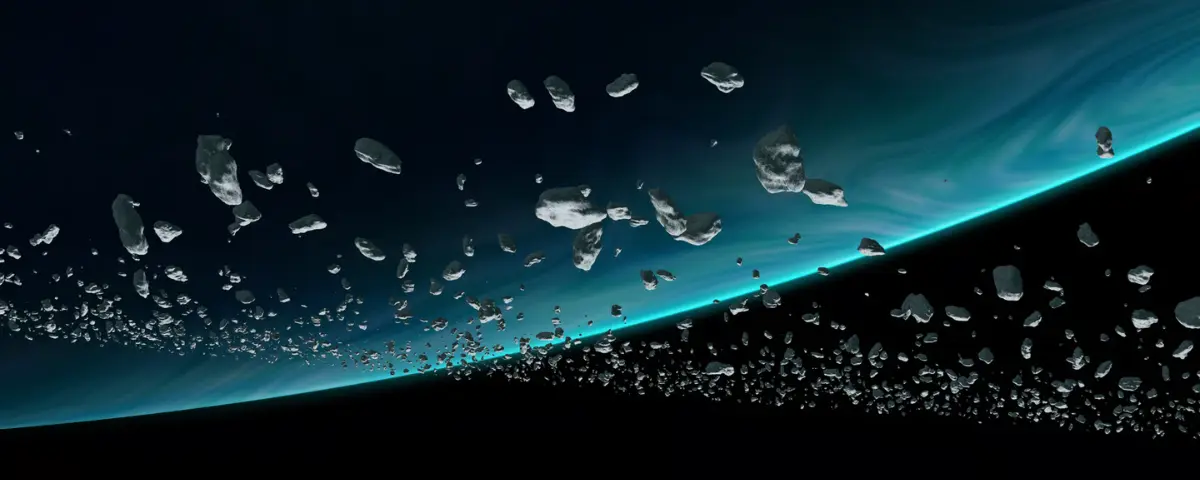
Asteroids are full of leftovers from the creation of our solar system. They contain materials like iron, cobalt, platinum, and gold that are hard to find on Earth. On Earth, mining rare materials is costly and dangerous for people and the environment because the materials are buried deep underground. Researchers are exploring the idea of traveling to asteroids and mining their resources and returning those valuable materials to Earth.
What Are Asteroids Made Of?
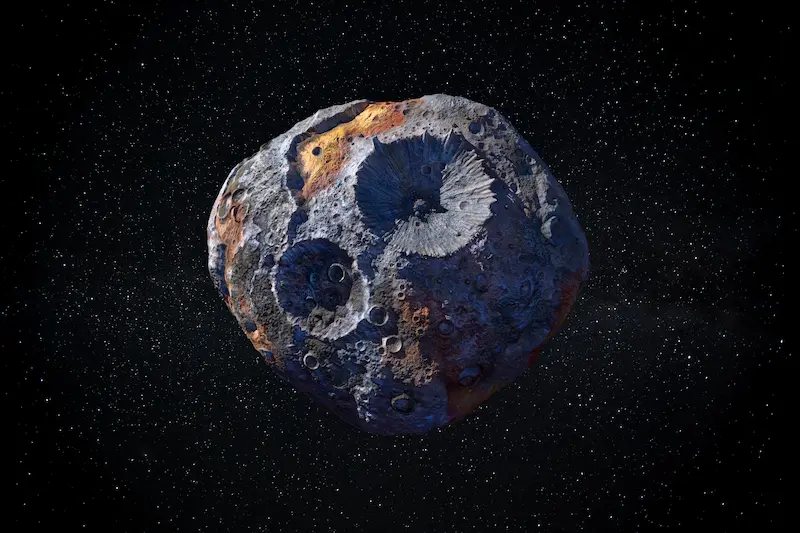
Asteroids are large rocks without an atmosphere floating in space. Most asteroids are in the asteroid belt between Mars and Jupiter. According to NASA, there are three types of asteroids, each with different mineral compositions. M-type (metallic) asteroids contain precious metals, making them the most desirable candidate for mining. C-type asteroids contain clay and some organic materials while S-type asteroids contain silicate materials and some metals, like nickel and iron. Along with valuable materials, some asteroids contain water. In space, water is extremely scarce. If mined, it could mean more than drinking water for astronauts. By splitting H2O into hydrogen and oxygen, scientists could create air to breathe and even fuel rockets to send rare materials back to Earth.
How Asteroid Mining Would Work
Asteroid mining is still hypothetical, but there are multiple startups dedicated to researching this idea. Asteroid mining would require a company to send a spacecraft to an asteroid, collect material, and then return it to Earth. Asteroids have very little gravity, meaning that transporting heavy materials would be significantly easier compared to mining on Earth. But without an atmosphere or gravity, anchoring machinery to drill or scoop materials would be difficult. Scientists are also experimenting with using lasers to break up the asteroid or using large magnets to separate iron and other valuable materials from non-magnetic materials. Once the materials have been collected from the asteroid, transporting them back to Earth is the hardest part. If the asteroid has water, scientists could separate the hydrogen to create rocket fuel to transport the materials back to Earth. Another idea is to drag the asteroid into Earth’s orbit to make transporting materials to and from the asteroid easier, but scientists would have to carefully calculate and monitor this process to ensure that the asteroid doesn’t collide with Earth.
Using a Space Elevator
If we successfully bring an asteroid into our orbit, we would need an effective way to bring materials from space to Earth’s surface. Just sending a rocketship into Earth’s orbit costs billions of dollars, so we would need to create a way to transport materials without wasting excessive amounts of money and energy. Scientists have theorized that we could create a space elevator by building a large structure that is tethered to both Earth and an asteroid in Earth’s orbit. Creating this elevator would make asteroid mining much more economically viable and sustainable.
The Future of Mining
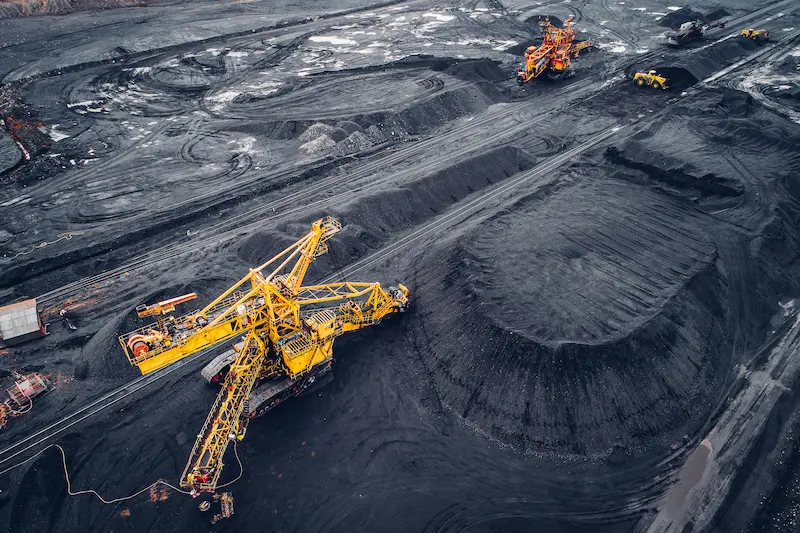
Asteroid mining could generate billions in profit, but it’s not currently economically viable since we would need to analyze an asteroid to ensure that its materials are worth the cost. These materials could advance technological innovation by making rare materials more accessible. This industry could create many job opportunities for students interested in exploring space. Asteroid mining would require engineers to design spacecraft and mining equipment and scientists to analyze materials collected from space. While asteroid mining may still seem like science fiction, today’s students could become the innovators who make it possible.
Looking to Space to Fuel Innovation
Asteroid mining is a real possibility for the future. Space is full of materials that are rare on Earth, and if we could collect those materials, we could create more advanced technology and learn more about our universe. Making asteroid mining a reality will require scientists, engineers, and programmers to solve challenges that once seemed impossible. By building problem-solving and critical thinking skills, today’s students could be the ones who develop new mining technologies, explore distant asteroids, and discover resources that change life on Earth.
Read more deep dives from STEM to Stern at the links below.




STEM Education Works is dedicated to providing cost-effective and user-friendly access to top-notch STEM curricula and technologies, driven by our mission to transform students’ lives. Learn more about what we do through our socials, Facebook, Twitter, Youtube, LinkedIn, Instagram, and TikTok.