
Are bananas radioactive?
July 6, 2026
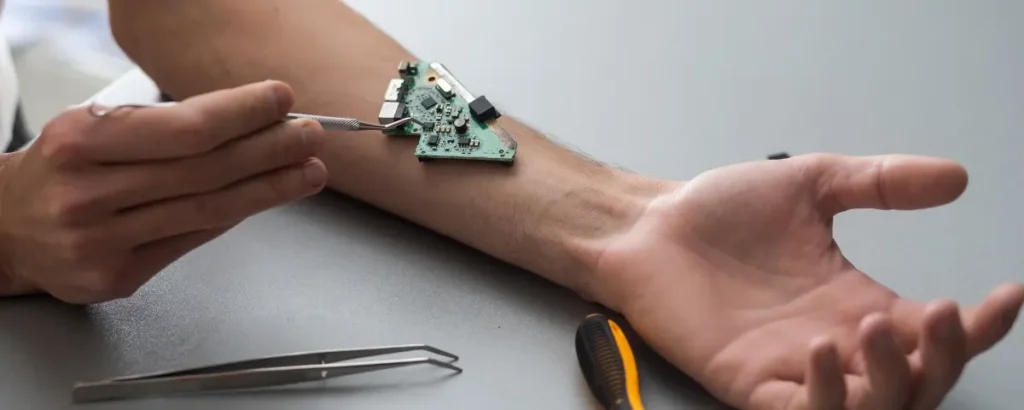
Merging Biology and Technology
July 6, 2026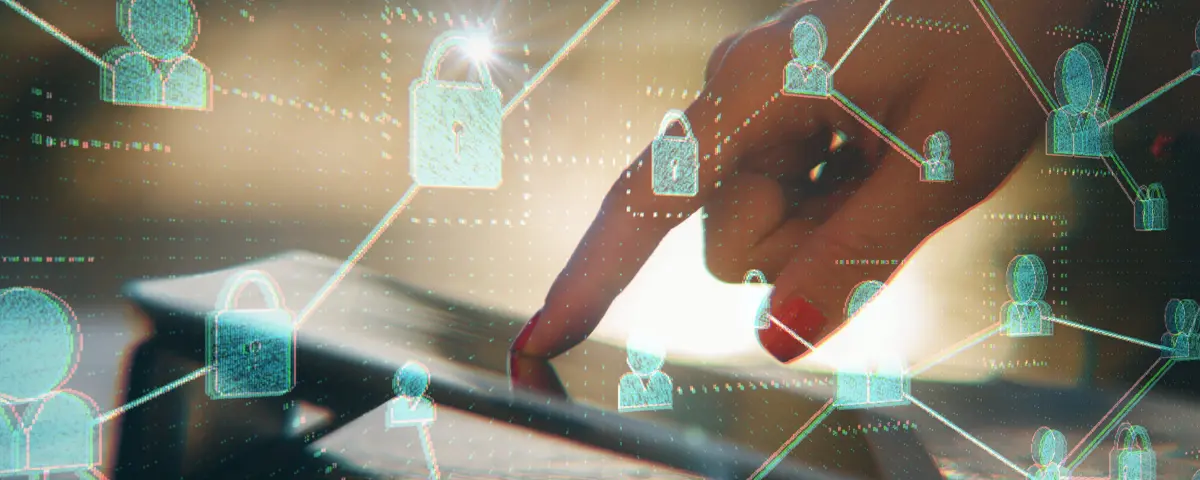
Technology is constantly evolving, and with each new update or model, users are concerned about how companies are collecting personal data. While we’ve gotten used to technology in our everyday lives, we still need to question how our data is being used and how it’s being protected.
Technology is a Huge Part of Our Lives

Just a few decades ago, people couldn’t access the Internet through a cell phone. Advances in technology, like the smartphone, have made the Internet and social media a part of our daily lives. Now, you can search, shop, and connect with the world all from a device that fits in your pocket. As more and more people have smartphones, many people rarely stop to think about what information they’re sharing or how it’s being used. Students are using technology at younger ages than ever before, making it increasingly important to teach digital privacy and responsible technology use.
Ethics Shouldn’t Be an Afterthought
Often, when engineers or software developers are coming up with new technology, their primary goal is solving a problem. But it’s important to consider who will be using this technology and how to protect those users during the design process. Many new apps collect personal data from users. Names, ages, addresses, and financial information are often collected when a user creates an account or purchases something online. Responsible technology design includes planning how user data will be collected, stored, and protected. When ethics are violated, users lose trust in the company and choose not to use that technology. Without ethical considerations, many technologies become disastrous, even if the inventors just wanted to solve a problem.
Responsible Communication is Crucial
Ethics don’t stop at design. You’ve probably opened an app and quickly accepted a privacy agreement without reading it. Or maybe you tried to read the terms and conditions but were quickly confused by complicated legal jargon. Users should understand what information is being collected, why it’s needed, and how it will be protected. Explaining these policies in clear, accessible language helps build trust and allows users to make informed decisions about the technology they use.
Building Tech Literacy in the Next Generation

Although companies and businesses have a responsibility to act ethically, everyday consumers also need to understand how their personal information is collected and used. Students should learn to ask questions before downloading an app, creating an account, or sharing personal information online. Teaching digital literacy alongside STEM helps students recognize privacy risks, evaluate technology, and make informed decisions. As technology continues to improve, these critical thinking skills will be just as important as knowing how the technology itself works.
The Future of Ethical Technology
Technology has the power to improve our lives, but innovation should always be paired with responsibility. Engineers, programmers, and designers must consider privacy, security, and transparency throughout the design process, not after a product is released. At the same time, consumers should make informed choices about the technology they use. By teaching students to think critically about both innovation and ethics, we can prepare the next generation to create technologies that are not only groundbreaking but responsible.
Read more deep dives from STEM to Stern at the links below.





STEM Education Works is dedicated to providing cost-effective and user-friendly access to top-notch STEM curricula and technologies, driven by our mission to transform students’ lives. Learn more about what we do through our socials, Facebook, Twitter, Youtube, LinkedIn, Instagram, and TikTok.