

Faster-Than-Light Travel: Science or Science Fiction?
July 6, 2026
The Ethics of Digital Data Collection
July 6, 2026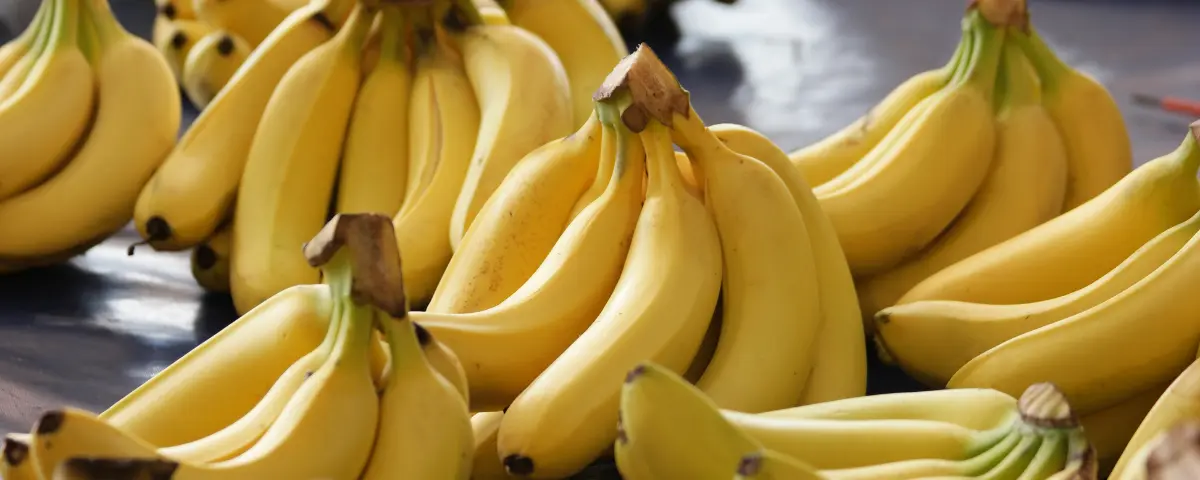
The word “radioactive” often sounds alarming, but many everyday objects naturally contain tiny amounts of radiation. Bananas are one of the most well-known examples because they contain a specific type of radioactive potassium. Our bodies can handle small amounts of natural radiation, but prolonged or intense exposure can cause permanent damage.
Why Are Bananas Radioactive?
You may have heard that bananas are healthy because they’re high in potassium. According to the Mayo Clinic, potassium is an essential mineral that acts like an electrolyte, balancing the fluids in your body and helping you rehydrate. The potassium in bananas is actually a radioactive isotope known as potassium-40. The amount of radiation in a banana is roughly 0.1 microsieverts, meaning that you would need to eat several million bananas in a short period of time to be impacted by the radiation. Other foods, like Brazil nuts and potatoes, also contain microdoses of radiation due to radioactive materials absorbed through the soil.
Radiation Exists All Around Us
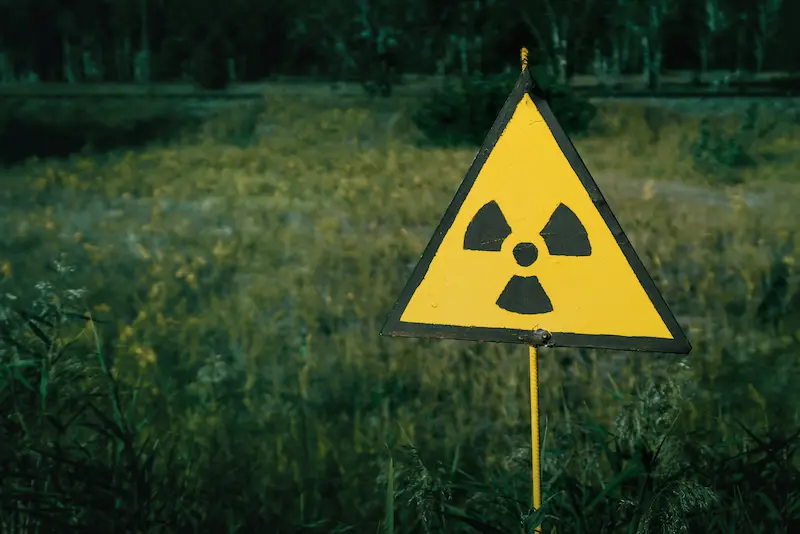
Radiation is more common than you might think. Radioactive materials can enter our environment through space via cosmic rays, and some radiation is leftover from the formation of Earth. This means that small amounts of radiation are present in the air, water, soil, and food. All living organisms have adapted to low levels of natural radiation over time. Radiation isn’t automatically dangerous. It only becomes harmful when exposed to high levels of radiation for a long time.
How Your Body Protects You from Radiation

One of the most common ways that radiation can harm you is through ultraviolet (UV) radiation. The Sun emits powerful UV rays that can lead to sunburns. A sunburn often causes inflammation and redness on the skin. In a minor sunburn, the skin cells are damaged, causing the DNA inside the cells to mutate, resulting in slightly darker skin, or a tan. A more severe sunburn will cause the cells to die, leading to peeling. This process is the body’s natural defense mechanism against DNA damage from radiation.
Putting Radiation Into Perspective
Bananas may be slightly radioactive, but they are perfectly safe to eat and provide important nutrients like potassium. Learning about everyday exposure to radiation helps students understand that scientific concepts are often less frightening than they first appear. Students can build scientific literacy and critical thinking skills while staying curious about the world around them.
Read more deep dives from STEM to Stern at the links below.



STEM Education Works is dedicated to providing cost-effective and user-friendly access to top-notch STEM curricula and technologies, driven by our mission to transform students’ lives. Learn more about what we do through our socials, Facebook, Twitter, Youtube, LinkedIn, Instagram, and TikTok.