

Why isn’t there a city on the moon?
June 3, 2026
Code, Bake, Run: From Recipe to Reality
June 8, 2026
STEM can feel intimidating. Whether you’re just getting started teaching STEM or have a few years of experience under your belt, the first day of school is always a challenge. Thorough planning (with some flexibility for the things that inevitably pop up) is the best way to ensure that your students are excited to step into your STEM classroom. Starting with an organized classroom is a good strategy to ensure that pieces of your classroom don’t disappear over the year. Keeping students engaged and learning, rather than just having fun, can be a real struggle when your classroom is full of fun technology. Building career connections and relevant issues allows students to have long-term takeaways from your class that could be the foundation for a future career.
Building STEM Habits Through Daily Problem Solving
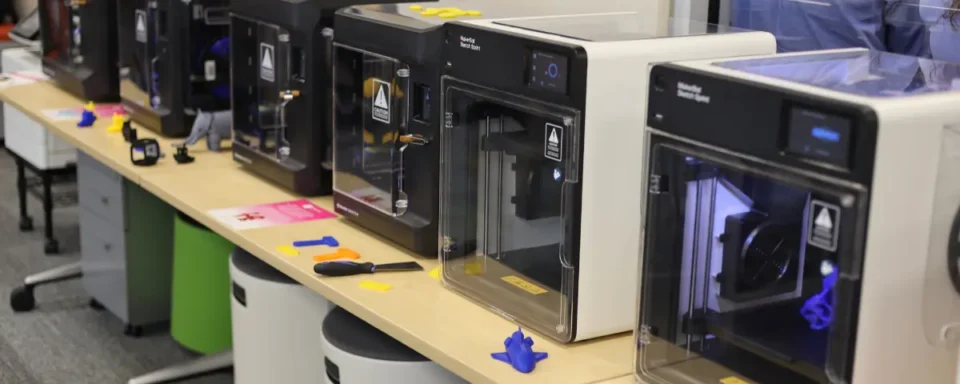
Engaging with STEM doesn’t need to take an entire day or even an entire class period. Daily exposure to STEM problems through our STEM Quest Activity Cards is a great way to get students thinking without cutting into your teaching time. With these activity cards, students have the opportunity to work with some of the technology in your classroom, such as robots and 3D printers. You could also have them solve a simple problem or discuss an interesting scenario. If you’re looking for inspiration, the STEM to Stern podcast features 5-7-minute episodes in which the hosts debate and discuss thought-provoking subjects and questions. In just a few minutes, your students will be immersed in a relevant STEM topic, and that knowledge can help them in other subjects as well. Science and math are already part of STEM, but problem-solving requires skills from other subjects, such as reading comprehension and design thinking.
Creating Real-World STEM Connections
STEM is everywhere in the real world, and the skills students learn in the classroom, like problem-solving and critical thinking, can help them in any career. For some students, a STEM space can feel like a playground. Students need to realize that what they’re learning can have a real impact on their community. Throughout your lessons, challenge them to solve problems, such as how 3D printing can be used to develop prosthetics for disabled athletes. This keeps them engaged because they know that what they’re learning will allow them to enact real change.
Designing Inclusive STEM Classrooms
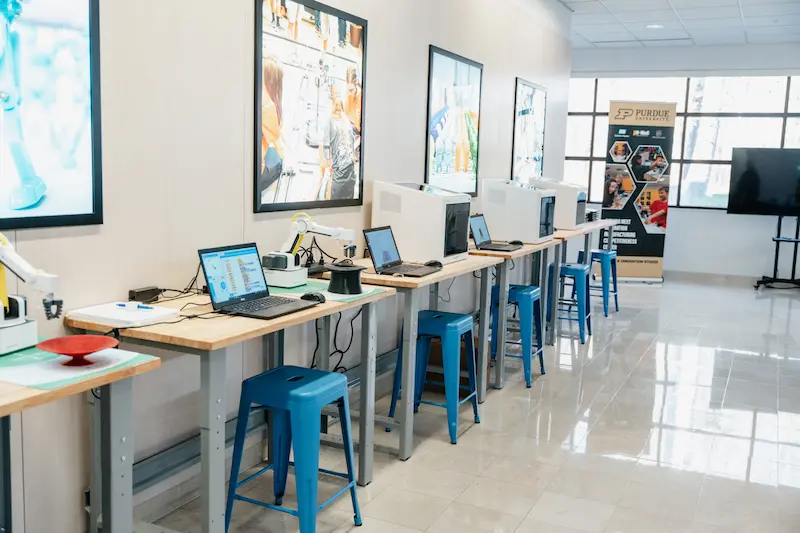
If you’re looking at your classroom and wondering how you’re going to keep all your technology organized, we have some tips. First, label everything, so your students know the name of every item and where it goes. This is especially important for ESL students or any student who struggles with reading. Every time they pick up an item, they’ll read the label and build those literacy connections that will help them in the classroom. You can also add pictures of the item along with its name, so visual learners can connect the image to its name.
Second, consider color-coding your classroom. If you have groups of tables, make each table a different color. Color-code your technology as well, so your students understand exactly which robot they are supposed to be working with and where it belongs. This is a great way to prevent mixups and keep your students accountable for the color-coded items that belong to their table.
Preparing Students for Future STEM Careers
The value of STEM lies in the fact that these skills can help students pursue careers in STEM fields. Ensuring your students are ready for the real world is a top priority for every school. The best way to ensure they’re ready for a career in manufacturing, engineering, or computer science is to build STEM skills early. Building these career connections doesn’t have to be boring for your students. Try to find interesting STEM careers and encourage your students to research careers that interest them. There’s a plethora of potential STEM careers beyond just engineers and software developers. Find unique STEM careers and create classroom posters to inspire your students. When one of your lessons could connect to a potential career, integrate that career into your lesson. These connections keep students engaged and make them realize that what they’re learning is relevant to the real world.
Building a Strong Foundation for STEM Success
Starting a STEM program takes planning, patience, and a willingness to learn alongside your students. You don’t need the perfect classroom, extensive technology, or years of experience to have a meaningful impact. Daily routines, strong organization, and real-world connections build your students’ knowledge and curiosity. Every challenge your students solve helps them develop skills that will carry them into a future STEM career. The most important thing is to create an environment where students feel encouraged to ask questions, test ideas, and keep trying. If you’re looking for support getting started or upgrading your classroom, please reach out. We’re happy to help!
STEM Education Works is dedicated to providing cost-effective and user-friendly access to top-notch STEM curricula and technologies, driven by our mission to transform students’ lives. Learn more about what we do through our socials, Facebook, Twitter, Youtube, LinkedIn, Instagram, and TikTok.