

Celebrating World Braille Day with STEM
January 5, 2026
Could Lightsabers Really Exist? The Science Behind the Iconic Sci-Fi Tool
February 12, 2026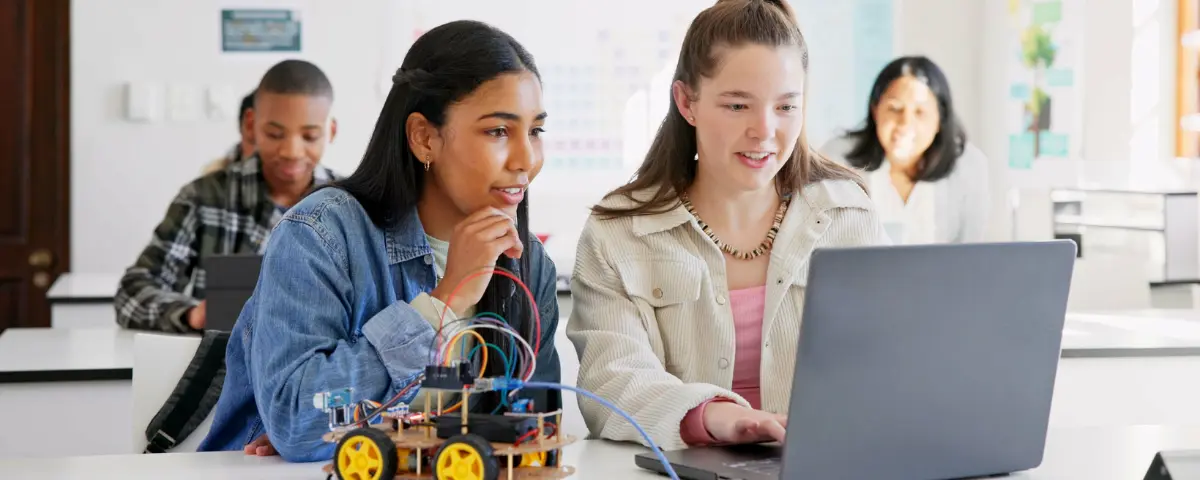
How AI Fits into Real Classrooms
Education is undergoing significant change. Artificial intelligence, once limited to tech companies, now appears in everyday classroom life. Teachers use AI to save time, support students, and introduce new ideas. All of this feels promising, but even with the rapid evolution of these tools, the most important part of learning remains the relationship between teachers and students. AI supports instruction, but it can’t replace connection, trust, or care.
As AI becomes more commonplace, the conversation in schools is shifting from whether or not AI belongs in education to how to use it responsibly. The goal is to support learning, not complicate it, and teachers will be the ones shaping that future, which makes integrity and good judgment essential.
Using AI Without Letting It Take Over
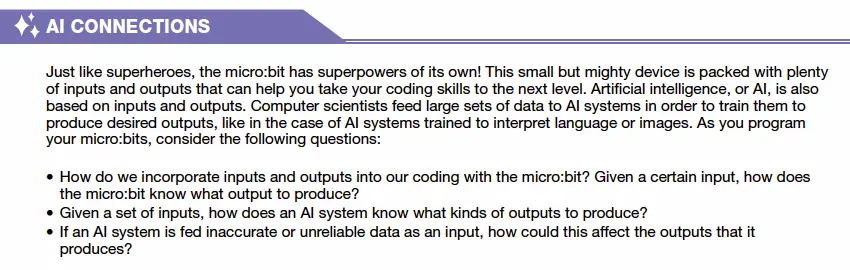
AI doesn’t need to dominate lessons or increase screen time. It works best when integrated into hands-on learning that students already know. STEM Education Works models this approach by embedding AI thinking prompts into STEM lessons. These prompts help students think about how AI works in real life while still focusing on building, experimenting, and creating.
Teachers don’t need new training or complicated tools for this approach, and students don’t need devices in their hands. This keeps the learning active. AI can add background depth while teachers lead the experience.
Why Teachers Stay at the Center
AI delivers information quickly, but it can’t understand the emotions of a classroom. Teachers understand group dynamics and individual needs. For example, they notice when a normally talkative student becomes quiet or when someone is trying to hide frustration. They know which groups of students work well together, who needs encouragement, and who is ready for a push. This awareness comes from experience and relationships, not algorithms, data patterns, or codes.
Teachers give meaning to learning. They understand the context behind every response, every hesitation, and every spark of curiosity. That’s what turns a classroom into a supportive, welcoming place where students feel understood and safe to grow.
Building Critical Thinkers

Easy access to information increases the need for strong critical thinking skills. Students must learn to question accuracy, completeness, and reliability. Guidance from a teacher on how to practice these skills makes all the difference.
When students compare their own explanations with AI-generated responses, they learn to notice differences, identify what’s missing, and clarify their own ideas. This kind of reflection helps them grow into stronger thinkers. It builds the skills they will need far beyond school, and it doesn’t require any additional technology, just conversation and curiosity.
Supporting Classroom Flow
Classrooms are always shifting. When a discussion takes an unexpected turn, a group finishes their work early, or a student needs more time, teachers step in to navigate these changes. Teachers adapt with creativity, and this is one of their greatest strengths.
AI supports this flow by offering quick explanations, extra practice, or enrichment ideas. With AI handling small tasks, teachers can focus more on their students’ emotional and social needs. The partnership works because teachers remain in charge of the learning environment.
AI Supports, But Teachers Still Lead

AI will continue to change, but classroom success will remain steady because of people. Technology offers efficiency, but teachers provide purpose.
Learning thrives through connection, encouragement, and belonging. These moments shape students. With thoughtful planning and a focus on equity, AI can strengthen learning without overshadowing what matters most.
AI opens doors. Human wisdom guides students through them.