
Time Travel Trouble: Could You Break the Universe Like Loki?
September 22, 2026
The Plastic You Didn’t Order
September 22, 2026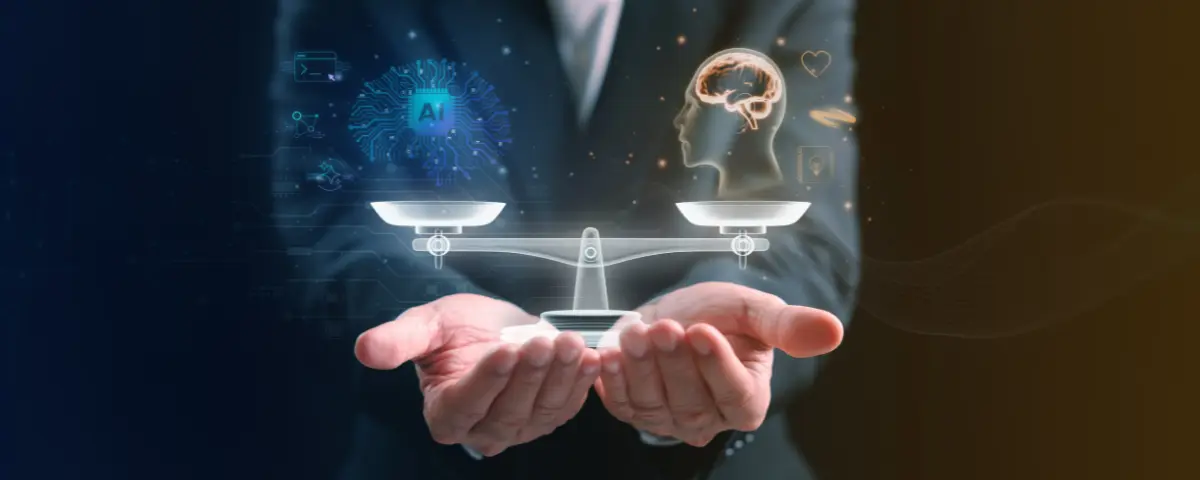
AI is one of the most talked-about trends in technology, but does it deserve the hype? AI tools can generate text, images, videos, and more, but are they truly intelligent? And is this technology worth improving to the point where it matches or exceeds average human intelligence?
What Is Artificial Intelligence?
Artificial intelligence uses machine learning and deep learning technology to mimic certain aspects of human intelligence. Essentially, the AI is trained with large amounts of data, but it doesn’t learn the same way humans do. Large language models (LLMs), like ChatGPT, Gemini, and Claude, generate written content based on the large amount of writing they have been trained on. Every AI system is skilled at a specific task, like generating text or images, but AI cannot apply what it has learned from one task to another. For example, an AI trained to make advertising flyers for a company cannot create a high-quality commercial even though it has already developed multiple print advertisements. On the other hand, a human could look at several print advertisements for a company and develop an idea for a commercial. The AI cannot adapt what it learns like humans do.
What Makes Human Intelligence Different?

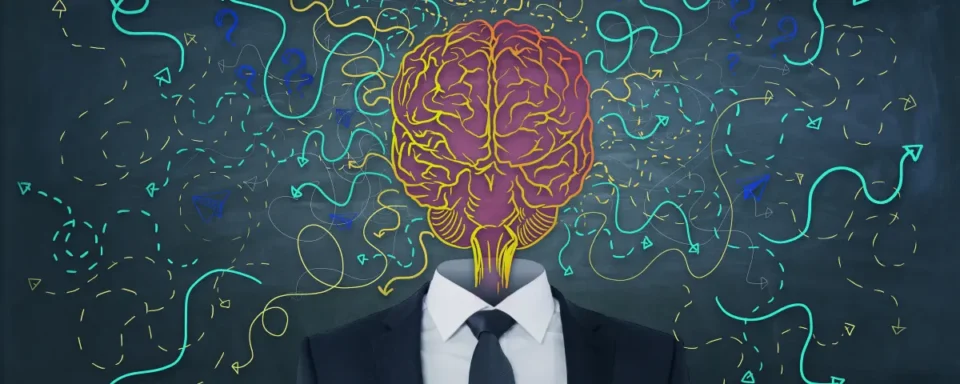
Because we know how to adapt and apply our learning, humans excel at tackling unfamiliar situations. An AI isn’t able to apply its prior knowledge and skills to new situations. For example, if you taught a young child how to throw a baseball, they could apply what they learned and those skills to throwing a football. Because we can recall past experiences and use that knowledge, we adapt much faster than an AI can. Humans also have the advantage of creativity and critical thinking, allowing us to come up with unique solutions to problems. AI’s solutions are based on the information that it has been trained on, so it cannot come up with anything truly unique. Adaptability, creativity, and critical thinking are important parts of how we define intelligence, and while AI may improve, it’s unlikely that it will ever be able to match the human brain because it doesn’t learn and experience things the same way as we do.
Could AI Become as Intelligent as Humans?
While it’s impressive that AI is able to create an image or write a paragraph exactly to your specifications, it’s not truly intelligent. AI is constantly improving, so it could have more advanced capabilities in the future. But this comes with many ethical implications. People are concerned that AI could replace jobs if it improves and develops more human-like intelligence. These concerns raise the ethical question of whether or not we should create AI that matches or exceeds human intelligence. Future STEM innovators in computer science, data science, and engineering will have to tackle these big questions as AI systems become more capable.
Preparing for an AI-Powered Future
Students need to understand the capabilities and limitations of AI. AI relies entirely on information that it has been trained on, which means it can be biased. It isn’t able to critically evaluate information, so students need to know how to use AI responsibly. Every AI-generated response needs to be verified. Students need to use their human intelligence to evaluate AI’s responses. The AI field continues to grow, and students will likely be using it in a wide variety of careers in the future.
Looking Beyond the AI Hype
AI is a powerful technology, but it’s not as intelligent as humans. It has many capabilities, but it can be overhyped as a replacement for human intelligence. Currently, AI is not able to adapt, think critically, or be creative. As AI continues to evolve, we have to consider how this technology should be developed and if it should try to mimic human intelligence. Students need to learn how to use AI responsibly while it’s still an emerging technology to prepare them for the future.
Read more deep dives from STEM to Stern at the links below.



STEM Education Works is dedicated to providing cost-effective and user-friendly access to top-notch STEM curricula and technologies, driven by our mission to transform students’ lives. Learn more about what we do through our socials, Facebook, Twitter, Youtube, LinkedIn, Instagram, and TikTok.