

Could an invisibility cloak really exist?
June 11, 2026
Could you get bit by a spider and become Spider-Man IRL?
June 11, 2026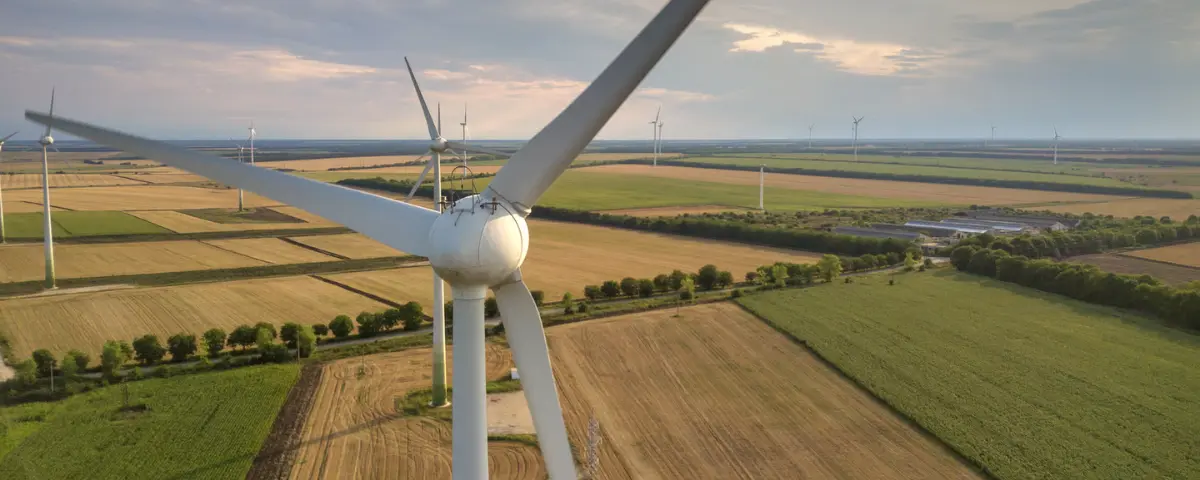
STEMgineer’s Guide to Problem Solving Workbooks
Renewable energy is more sustainable and less harmful to our environment, but is it more powerful than nonrenewable energy? Wind power is a form of renewable energy that converts the kinetic energy of the wind into electrical energy. Coal is a fossil fuel that releases large amounts of energy when burned. Since the Industrial Revolution, coal has powered factories, heated homes, and fueled trains and steamboats. But mining and burning coal have a negative impact on the environment. So, is coal’s power worth the cost, or could effective infrastructure make wind energy more powerful?
What Makes Coal More Powerful Today?
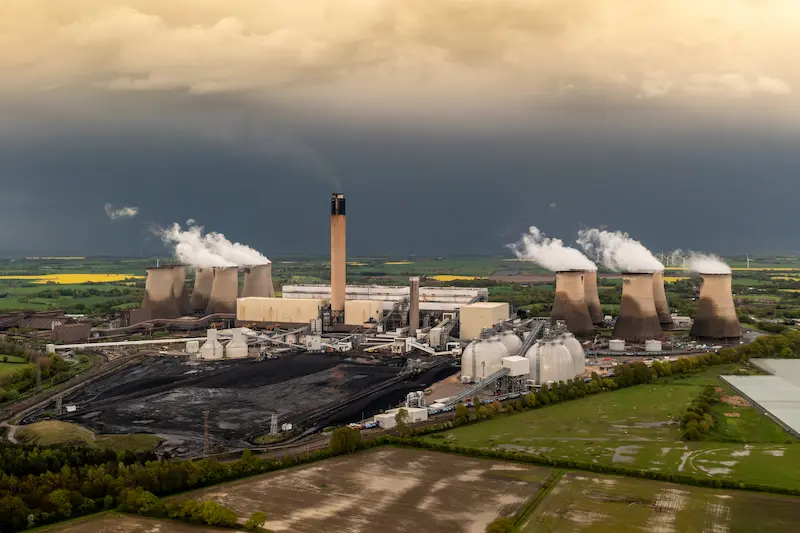
According to the U.S. Energy Information Administration, coal is a combustible sedimentary rock composed mostly of carbon. The higher the carbon content of the coal, the more energy it can release. Coal with a high percentage of carbon contains a lot of energy in a small amount of material. This high energy density is why coal is more powerful and why it’s used more often than renewable sources like water.
Power plants across the U.S. burn coal and use the steam it produces to turn turbines that generate electricity. To keep the lights on, these power plants need to be active at all times. Many renewable energy sources, such as wind and solar, only capture energy under specific environmental conditions. To make coal power more sustainable, many U.S. laws regulate power plants to protect the environment from harmful greenhouse gases caused by burning coal, but burning coal still releases pollutants.
How Does Wind Energy Work?
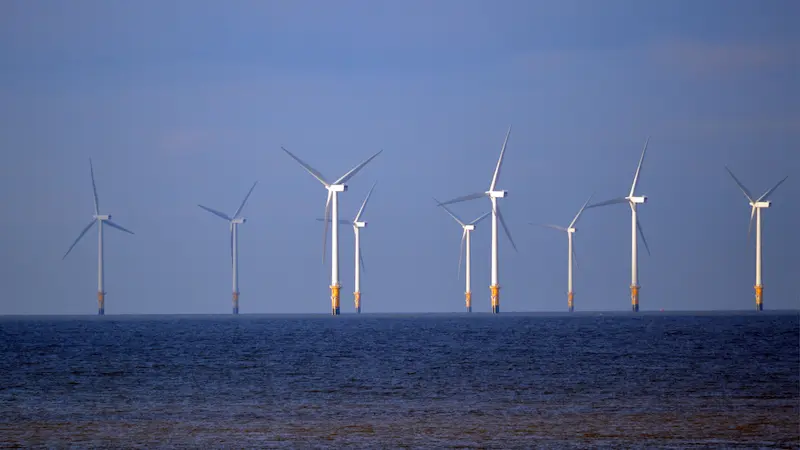
Air spins the wind turbine, which connects to a generator that converts the kinetic energy of the wind into electricity. Wind turbines have existed for centuries, but modern wind turbines are giant to capture as much energy as possible. According to the U.S. Department of Energy, the rotors, or arms, of the turbine can be up to 495 ft. in diameter for offshore wind turbines! Transporting and setting up these wind turbines is costly, but wind farms are emission-free. Engineers continue to design more efficient wind turbines that can generate more energy.
The Advantages of Wind Energy
Wind energy is completely renewable since pressure systems and temperature differences constantly create wind around the world. This means that wind energy will never run out, unlike coal. Wind energy produces no greenhouse gas emissions, making it a less harmful alternative to coal.
Wind turbines don’t require fuel, so the only cost of running a wind farm is setting up all the wind turbines and regularly maintaining them. Building enough wind turbines to power the country is the biggest challenge since they are so large and require a lot of open space.
Could Wind Power Transportation?
Wind used to power ships before steamboats became more efficient. Now, some engineers are designing wind-powered cargo ships to reduce carbon emissions and save fuel. WindWings are durable, fiberglass wings that attach to the top of a ship and can be adjusted to take advantage of the wind’s speed and direction while sailing. While these wings cannot help during a storm, this idea shows promise that wind energy could power large ships. Engineers are constantly developing new concepts for renewable-energy-fueled transportation.
The Future of Energy
Today, coal delivers more concentrated energy than wind. While coal is nonrenewable and harmful to the environment over time, it is more reliable in all weather conditions than wind or solar energy. However, wind offers a cleaner and more sustainable path forward. As technology improves, renewable energy sources, like wind, will play a larger role in powering our world.
Read more deep dives from STEM to Stern at the links below.
STEM Education Works is dedicated to providing cost-effective and user-friendly access to top-notch STEM curricula and technologies, driven by our mission to transform students’ lives. Learn more about what we do through our socials, Facebook, Twitter, Youtube, LinkedIn, Instagram, and TikTok.