

How does an earthquake get measured?
June 10, 2026
Could an invisibility cloak really exist?
June 11, 2026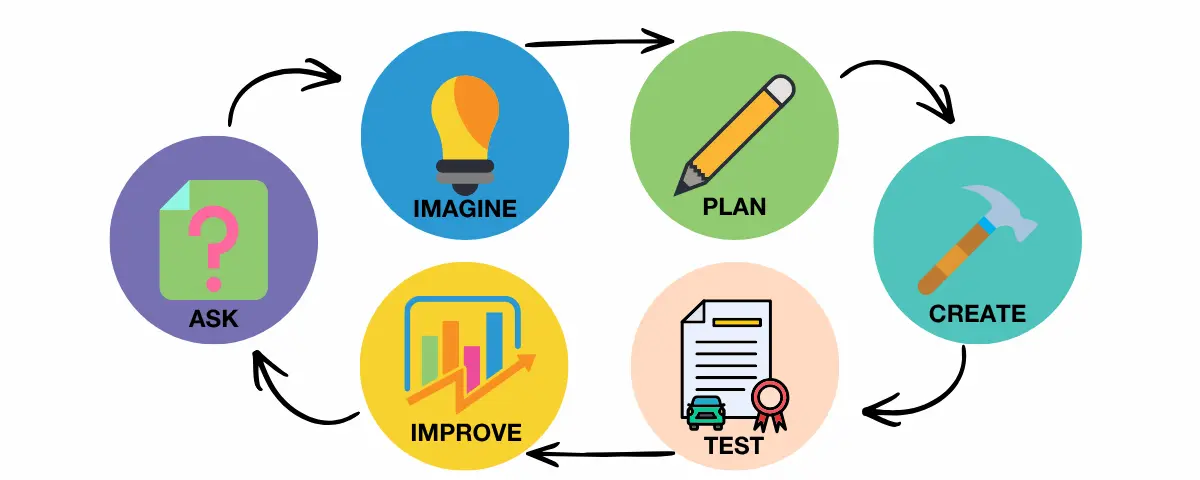
The Engineering Design Process helps students think critically and solve problems. EDP is a huge part of STEM education, but it can be difficult to bring into the classroom. Students struggle with learning from their failures, but well-designed projects and activities can help students embrace the challenge and develop problem-solving skills. STEM activities should align with the standards students need to learn and should connect to potential careers in STEM.
Start with Standards, Then Build the Challenge
Standards are the foundation of every lesson you teach, but STEM is the perfect opportunity to get creative with how your students will learn these skills. Base your lessons around a narrative that students can get excited about. Narratives help students connect what they know about the world to what they’re learning. For example, create a narrative that it’s a zombie apocalypse and your students have to design a portable light to help them escape the school without the zombies noticing. While not every lesson needs to have an extravagant narrative, the narrative excites students and encourages them to embrace the challenge.
Create Structure Through Student Roles

STEM activities can get chaotic quickly. One way to manage this chaos is to break your class into teams. Each team member has a specific role during the activity, which helps keep students accountable. For example, assign one student to be team captain. They lead the group and make final decisions. You can have a speaker, who is the only member of the team allowed to ask the teacher questions, so you don’t get overwhelmed by twenty students asking a question all at once. Other roles include: recorder, materials manager, project tester, and timekeeper. These roles help students work together and communicate, which some students may struggle with.
Navigate the Engineering Design Process
When you give students an activity, their first instinct is to jump right in and try to solve it. By integrating the Engineering Design Process into your lessons, students have to brainstorm and plan out a solution before testing their ideas. Here are the steps of the Engineering Design Process:
- Ask: Define the problem.
- Imagine: Brainstorm possible solutions.
- Plan: Sketch and label designs before building.
- Create: Build a prototype.
- Test: Evaluate the performance of the prototype.
- Improve: Reflect and revise the prototype.
This process requires students to iteratively think about what they’re doing. It also encourages them to reflect and learn from past experiences to improve their work. Each step of the process ensures that students are learning, not just doing.
Use Criteria and Constraints to Drive Critical Thinking
While explaining an activity, clearly define the ultimate goal of the project. Students can easily get off track during an activity and lose sight of the criteria they need to meet. Similarly, set up what materials students should be using during an activity.
Every teacher knows that classroom time and resources are limited. Set clear expectations from the start by explaining both the resources students can use and the ones they can’t. At the beginning of the activity, give your students a time limit, and have the timekeeper in each group keep everyone on track.
Embrace Failure as Part of Learning
STEM is all about learning from failure, which makes it different from other subjects. No student likes to fail, so it’s important to let students know that failure is a part of the process. Not every prototype will succeed, so reflection and revision are essential parts of the process. Encourage your students to analyze what worked, what failed, and what they could change next time. This iterative thinking and never-give-up attitude will help them succeed in and out of the classroom.
Connect Lessons to Careers and Future Skills
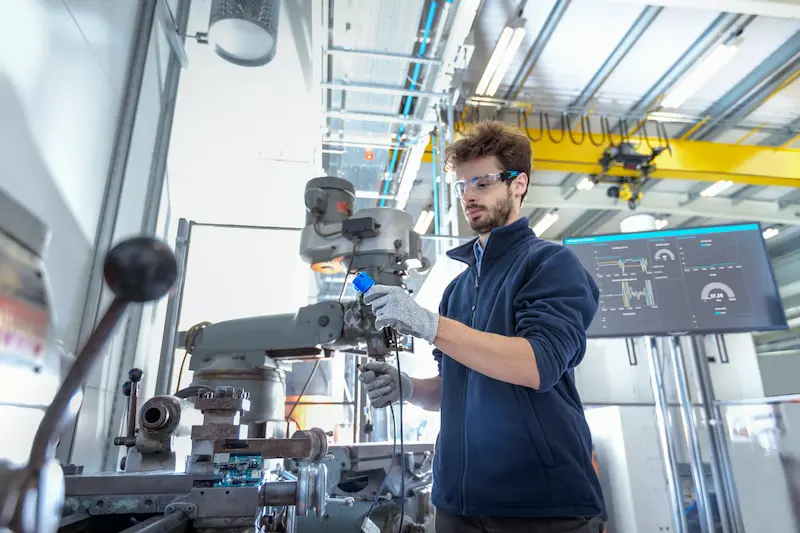
For younger students, STEM can feel like play, but they should understand the path that STEM could lead them down from an early age. In each lesson, try to find a STEM career that uses similar skills or concepts to what students are learning. Whether it’s an engineer that requires a college degree or a technician that only requires a high school diploma, introducing these careers to young students helps them think about the future. Career connections also add relevance to what students are learning. The skills they learn in the classroom, like critical thinking and collaboration, are used in the real world.
Building More Than Projects
STEM projects can excite students with an engaging narrative and align with the standards you need to teach. The Engineering Design Process is not about creating the perfect prototype. It’s about learning from your failures and using critical thinking to solve problems. When implemented into the classroom, these activities can help students build skills that extend far beyond the classroom.
STEM Education Works is dedicated to providing cost-effective and user-friendly access to top-notch STEM curricula and technologies, driven by our mission to transform students’ lives. Learn more about what we do through our socials, Facebook, Twitter, Youtube, LinkedIn, Instagram, and TikTok.