

What If We Never Invented Plastic?
February 13, 2026
Women’s History Month: The WNBA, STEM, and the Power of Feeling Seen
March 3, 2026
STEMgineer’s Guide to Problem Solving Workbooks
Imagine a high school student, Mia, who was uninterested in her math classes until she attended a robotics workshop. There, she discovered how these skills could lead to a role in designing sustainable, autonomous vehicles, a career she never considered. This hands-on experience was a game-changer, helping her picture herself as a future technology innovator.
When students see how STEM connects to real careers, learning becomes more exciting and meaningful. Hands-on technology experiences turn classroom lessons into real possibilities.
When students think of STEM careers, they likely imagine engineers, coders, and scientists. But these are just the beginning. Consider an agricultural drone pilot optimizing farming or a data-driven costume technologist blending fashion with technology. From farmers to fashion designers, STEM skills can help students pursue unexpected dream careers.
STEM in Unexpected Fields
Today’s economy increasingly weaves technology into manufacturing. Experts call this shift the Fourth Industrial Revolution, or Industry 4.0.
Factories now act as smart and responsive as smartphones, using advanced technologies to make quick decisions. These systems let factories instantly adapt, like seamless app updates, boosting efficiency and flexibility.
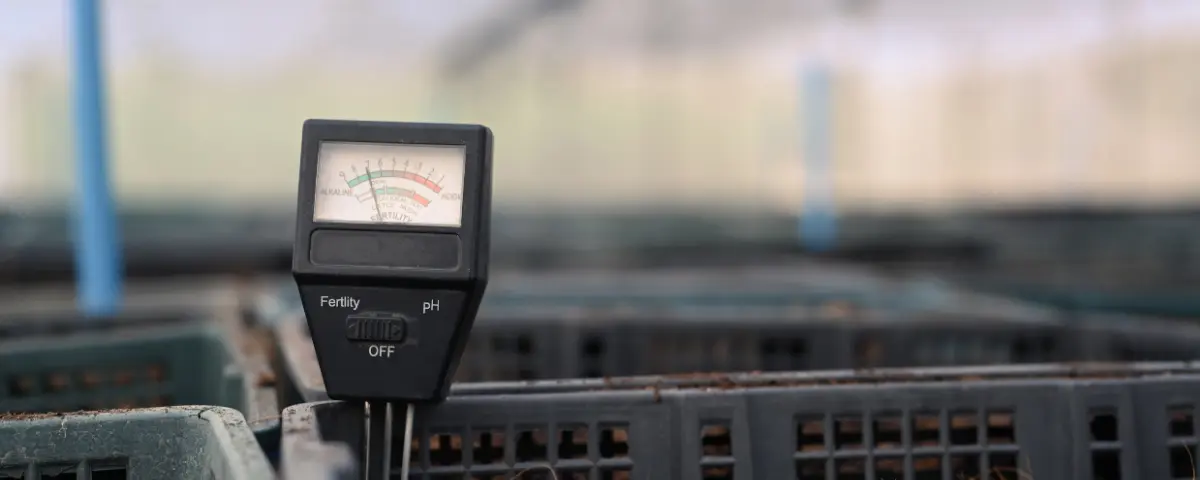
Take a greenhouse, for example. Soil moisture sensors fine-tune watering to save water and boost plant health. Innovations like these need people who grow with technology, instead of simply using it.
At its core, STEM is about thinking critically and creatively, skills students practice in gaming, art, or sports, and which play a key role in any career. These experiences build a foundation for innovation that drives progress across fields.
Bringing Unique STEM Careers into the Classroom
Educators can break the mold of what we think of as a STEM career by:
- Connecting lessons to unexpected career paths
- Inviting guest speakers to share their experiences
- Encouraging student-led job research
- Rooting career connections in student interest
Each student brings unique interests and strengths. By showing a wide range of career options, we help them find the best fit. Exploring possibilities helps students become more adaptable and well-rounded.
Thinking Outside of the 4-Year-College-Degree

The job market is always evolving, and STEM skills open paths beyond the typical college route. Many new jobs go beyond office settings. STEM is about learning by doing, whether in class or at work. Apprenticeships let students dive into technology after high school, and technical colleges offer hands-on training for a STEM career in just a few years.
Starting a STEM career doesn’t always require a Bachelor’s degree. Even those with degrees may end up in new fields. There’s no single path to a STEM career.
STEM is not a one-size-fits-all field. By showing options beyond the typical, students can gain a sense of what’s out there and make confident decisions about their future. As we explore diverse paths, ask yourself: Which unexpected STEM path will you introduce tomorrow? This encourages reflection and action.
Read more deep dives from STEM to Stern at the links below.



STEM Education Works is dedicated to providing cost-effective and user-friendly access to top-notch STEM curricula and technologies, driven by our mission to transform students’ lives. Learn more about what we do through our socials, Facebook, Twitter, Youtube, LinkedIn, Instagram, and TikTok.