

Do Bones Ever Decay?
February 13, 2026
What role does STEM play in career connections for students?
February 13, 2026
STEMgineer’s Guide to Problem Solving Workbooks
A World Surrounded by Plastic
Take a moment to notice your surroundings. Plastic is everywhere … in your desk, your devices, packaging, and even your furniture. Our daily lives rely on plastic for safety, convenience, and efficiency. From keeping food fresh to enabling advanced medical tools, plastic is woven into the fabric of modern routines.
Each year, the world produces around 400 to 460 million tons of plastic. This staggering number prompts a fascinating question: what if plastic had never been invented? Would human progress have slowed, or would we have found other materials to fill the gap?
The Environmental Cost of Plastic
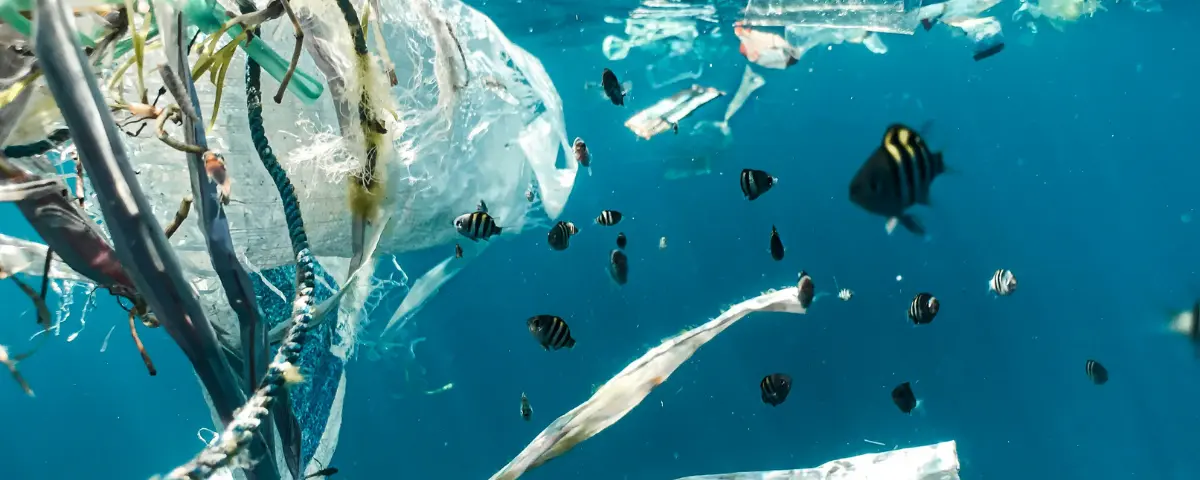
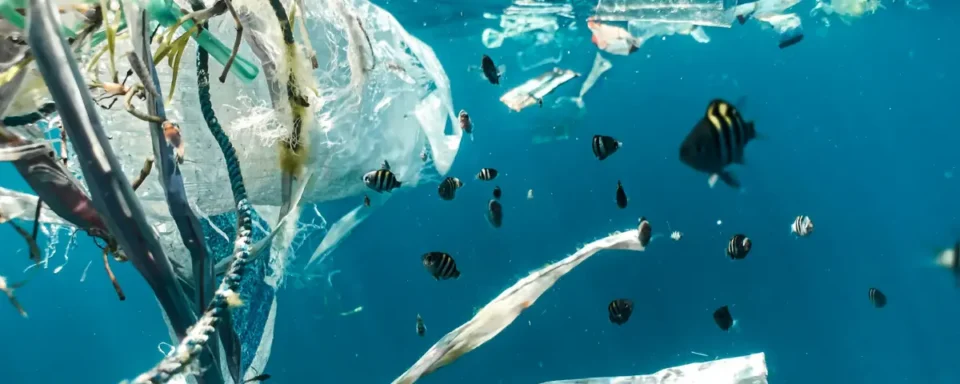
Plastic pollution reaches every corner of the planet. Oceans are filled with tiny plastic particles that marine animals accidentally eat while searching for food. Shrimp and other small creatures end up with digestive systems packed with plastic they cannot break down. Larger animals, like sea turtles, face similar dangers; mistaking plastic bags for food can be deadly. These real-world examples reveal how plastic waste directly disrupts wildlife and entire food chains.
For instance, a study found that an average serving of mussels can contain up to 90 microplastic pieces, linking ocean pollution directly to our dining tables. These contaminated marine life forms can end up on our plates, enter the human food chain, and possibly affect our health. Plastic in our seafood illustrates the immediate threat of plastic pollution.
Why Plastic Became Essential
Plastic solves problems other materials struggle to address. It resists corrosion, weighs less than metal, and lasts longer than wood. These traits support cars, airplanes, medical devices, and space technology. Without plastic, engineers would rely on metal, wood, or ceramic, which can pose practical issues for their use. Metal rusts and weight increases. Wood rots and fails under pressure. Ceramic breaks and weighs more than plastic. Building spacecraft or aircraft without plastic would introduce serious limitations.
Recycling and Responsible Use
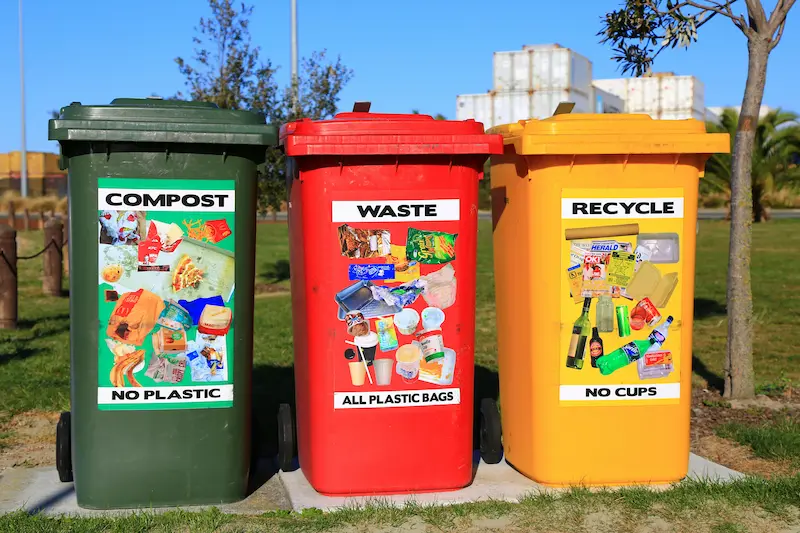
Plastic is a nonrenewable material, which makes responsible use critical. Recycling reduces waste and extends the life of materials. However, only a small percentage of plastic actually gets recycled today, highlighting the need for urgent action. Single-use plastics drive much of the pollution problem. Durable plastic products, when reused and recycled, lower environmental impact and reduce demand for new resources. This underscores the importance of turning responsible use into an imperative rather than an ideal for sustainable progress.
Small Choices Shape the Future
Everyday choices make a difference, such as:
- Bringing reusable bags to the store to reduce waste
- Using refillable water bottles helps limit single-use plastic
- Recycling to keep plastic out of landfills and waterways
By choosing responsible habits, you help create a healthier planet and a more sustainable future.
Read more deep dives from STEM to Stern at the links below.



STEM Education Works is dedicated to providing cost-effective and user-friendly access to top-notch STEM curricula and technologies, driven by our mission to transform students’ lives. Learn more about what we do through our socials, Facebook, Twitter, Youtube, LinkedIn, Instagram, and TikTok.