
Women’s History Month: The WNBA, STEM, and the Power of Feeling Seen
March 3, 2026
Franz Anton Mesmer and the Hidden Forces Within the Human Body
April 1, 2026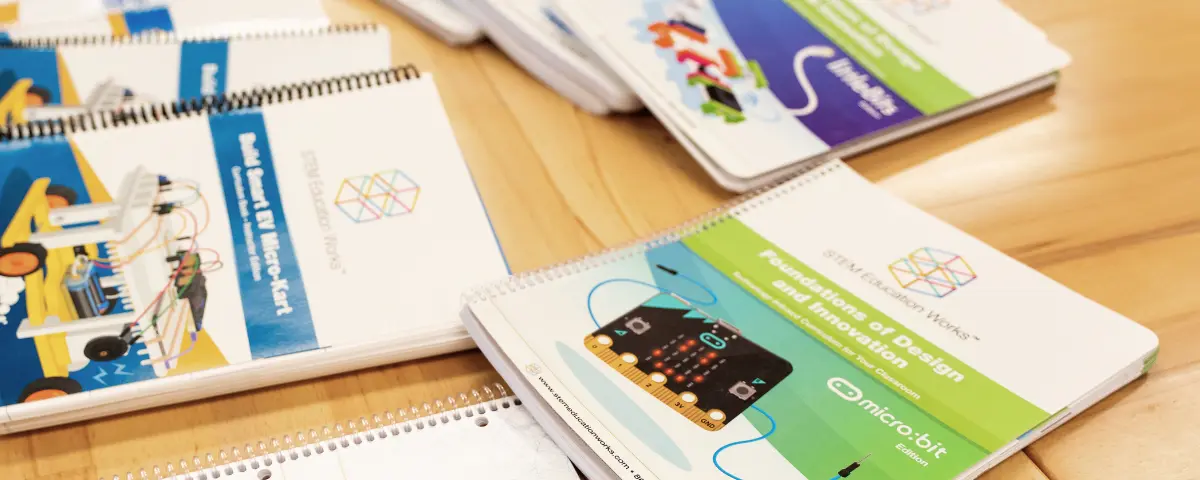
You’ve got the STEM lab. You’ve got motivated students. But finding a curriculum that actually works in your classroom is a whole different challenge. These are the questions educators ask most when evaluating STEM curriculum, and here’s what the answers should look like.
1. “Does it align with the standards I’m required to teach?”
This is the #1 concern for most teachers. If the new curriculum doesn’t align with NGSS, ISTE, or state frameworks, it’s nearly impossible to justify its adoption to administrators, curriculum coordinators, or district leadership. In this case, teachers spend much of their time researching for standards-aligned resources to supplement.
What to look for:
Verify that the curriculum explicitly aligns with NGSS, ISTE, CSTA, or other K–12 frameworks so you can defend every lesson during a scope-and-sequence review. Look for a curriculum that is designed with standards alignment built in across every grade band from K–12.
2. “I’m not a STEM expert, so can I actually teach this?”
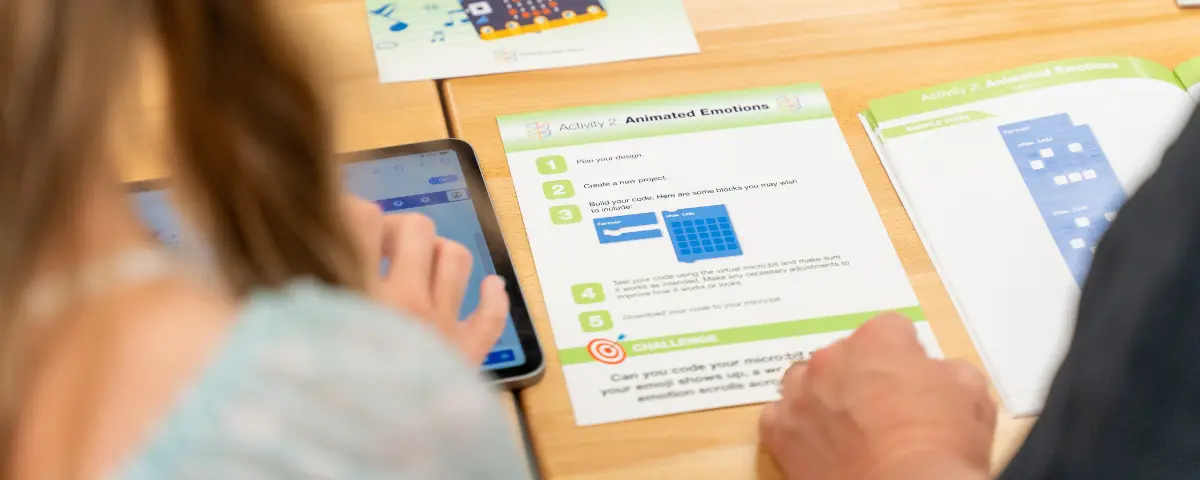
Teacher confidence is one of the biggest barriers to STEM adoption. Research shows that many elementary and secondary educators feel underprepared to implement STEM, and without strong support materials, anxiety can transfer to students rather than curiosity.
What to look for:
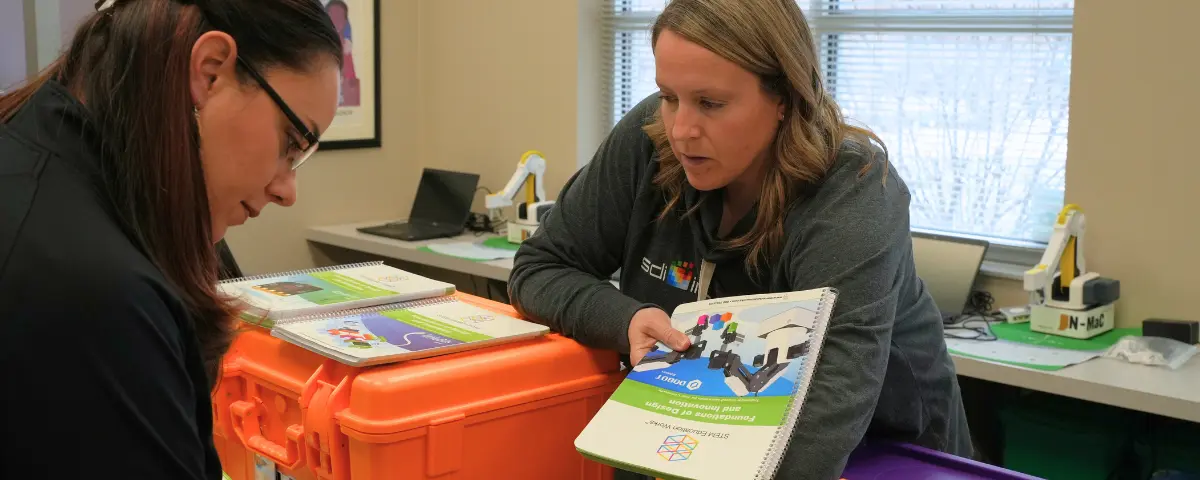
You’ll need a curriculum designed by teachers, for teachers, with detailed teacher guides, step-by-step instructions, materials lists, and implementation tips built right in. Professional development and training beyond installation are also major advantages, so you can lead STEM confidently, whether you’re a veteran or brand-new to the content.
3. “Will this actually engage my students, or is it just worksheets?”
Educators consistently ask whether the curriculum goes beyond passive learning. Students retain STEM concepts best when they build, test, and problem-solve rather than just read about them.
What to look for:
Find hands-on, project-based learning that mirrors real-world challenges. STEM Quest Activity Cards deliver 20-45-minute activities across technologies like 3D printing, robotics, microelectronics, and more, giving students authentic challenges they can touch, build, and program.
4. “Does it work for different grade levels and skill levels?”
One of the most common frustrations educators face is curriculum that works for one type of learner but leaves others behind, or that only covers a narrow grade band. In a mixed-ability classroom, a one-size-fits-all approach simply doesn’t cut it.
What to look for:
You want to make sure you select a flexible curriculum featuring various levels and grade-specific options. STEM Education Works offers separate curricula for K–5, 6–8, 9–12, and K–12, along with STEM Quest Activity Cards that include three difficulty levels suitable for elementary to high school students.
5. “Can I fit this into my schedule, or does it take over my whole class?”
Scheduling is a real obstacle. Block schedules, bell periods, and competing priorities mean educators need a STEM curriculum that fits around their existing structure, not the other way around.
What to look for:
Both plug-and-play options and full-course sequences, so you can choose the depth that fits your program. STEM Quest Activity Cards are built for quick, flexible deployment, which is ideal for class periods, after-school clubs, or station rotations. Full curriculum sequences give programs that need depth the multi-week structure to match.
6. “How do I know students are actually learning and not just having fun?”
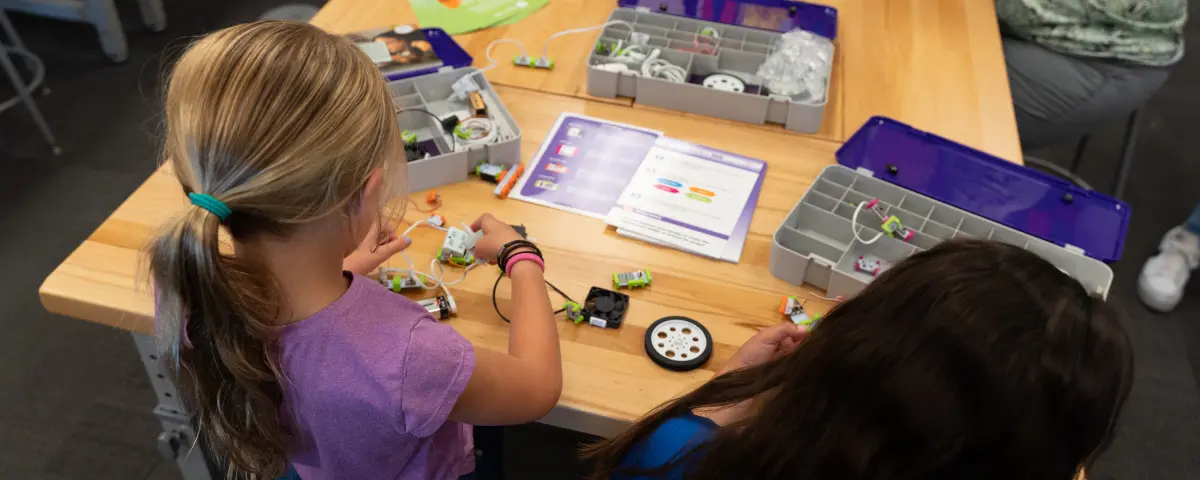
Fun is great, but educators are ultimately accountable for outcomes. Look for a curriculum that skillfully delivers subtle lessons under the guise of fun activities and positive outcomes. This will allow teachers to connect back to measurable skills and progression, while engaging students.
What to look for:
Curriculum guided by the Engineering Design Process, with built-in assessments, learning progressions, and skill-building that grows over time. The STEM Education Works curriculum is built on research-based teaching strategies and structured to help students build on prior knowledge, ensuring engagement and academic growth.
Ready to see an effective STEM education curriculum in action? Request a free curriculum sample and find the right fit for your classroom.
STEM Education Works is dedicated to providing cost-effective and user-friendly access to top-notch STEM curricula and technologies, driven by our mission to transform students’ lives. Learn more about what we do through our socials, Facebook, Twitter, Youtube, LinkedIn, Instagram, and TikTok.