Could you get bit by a spider and become Spider-Man IRL?
June 11, 2026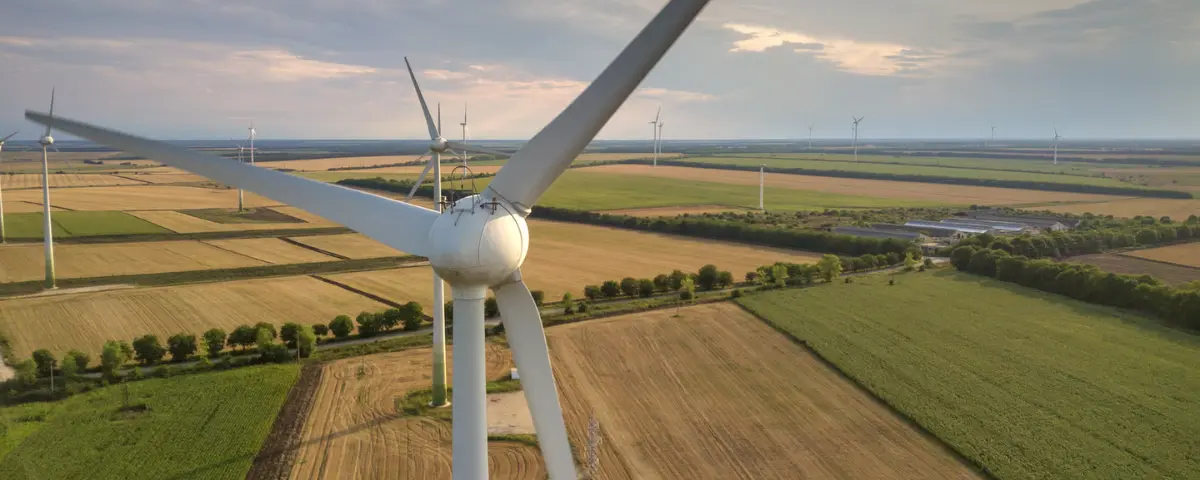
Renewable energy is one of the most important STEM topics students will encounter. Many young students are concerned about global warming and want to know how they can contribute to a more sustainable future. With Horizon Educational kits, students can learn how renewable energy works and how it can fuel the real world. The wind turbine kit provides a hands-on learning opportunity where students can use the Engineering Design Process to experiment with a model wind turbine.
Why Wind Energy Makes a Great STEM Learning Tool
Wind energy is a renewable energy source, meaning that we won’t deplete any wind by using it to power things. Nonrenewable energy sources, like coal and natural gas, will run out as we continue to use them. If you’re teaching in the Midwest, the Great Plains, or Texas, your students are probably familiar with what wind turbines look like, making this activity relevant. Students can have a hard time understanding how wind turbines turn kinetic energy into electricity by spinning. With our hands-on kits from Horizon Educational, students can see how the rotors’ rotation powers a generator, just like in real life.
Exploring Wind Turbine Design
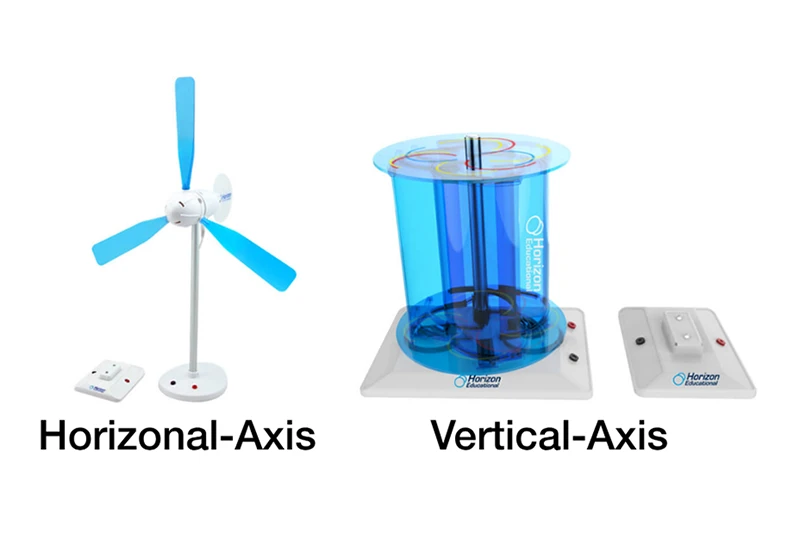
There are two types of wind turbines: horizontal-axis and vertical-axis. Horizontal-axis wind turbines are more common, and they look more like a windmill. The Horizon Educational Wind Energy kit comes with the turbine base and nine blades. There are nine spots to insert the blades and three types of blades (A, B, and C) with different angles. Students can experiment with varying numbers of blades and different blade types to see what generates the most amount of energy.
The vertical-axis wind turbines are more common in offshore wind farms. These turbines have blades that rotate around a vertical shaft. Similar to the horizontal wind turbine kit, the Vertical Wind Turbine Science kit comes with a wind turbine base that you can easily assemble and multiple spots for students to insert the blades, so students can experiment with the angle of these blades as well. Each blade configuration has a different color (blue, red, and yellow), so students don’t get the different configurations mixed up. Each kit comes with a light that students can plug into the turbine that blinks when it receives energy and blinks faster as it receives more energy. If you want a more precise measurement, use the Horizon Educational Renewable Energy Monitor that displays volts, watts, joules, and RPM.
Teaching the Engineering Design Process
Designing a wind turbine is a great opportunity to teach students about iterative thinking. Iterative thinking is used both in the Engineering Design Process and the scientific method. Both of these processes require students to plan, create, test, and improve their designs. For the wind turbine kits, you can have your students hypothesize which blades or configuration will produce the most energy and why. From there, have your students run multiple trials with multiple different blade configurations to test their hypothesis. Once they’ve completed their experiment, encourage your students to reflect and think about why certain configurations performed better than others. After this reflection, challenge your students to create new blades or configurations based on what they found. This continual creating, testing, and reflecting is a crucial part of the Engineering Design Process.
Connecting STEM Learning to Future Careers
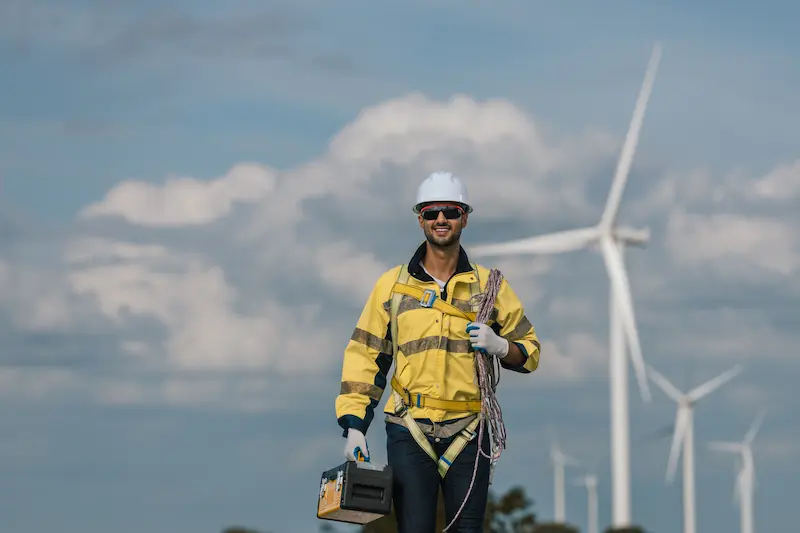
Careers in renewable energy are growing, and this lesson is a great opportunity to introduce your students to potential STEM careers. For example, wind turbine technicians repair and maintain wind turbines, which could interest some of your students who aren’t afraid of heights. Electrical and mechanical engineers work on designing wind turbines that are structurally stable and energy efficient. Wind turbines are also surprisingly similar to turbines in jet engines, which could interest some of your students who like planes or jets.
Renewable Energy in the Classroom
Renewable energy is an ongoing issue in the real world, and these activities help students understand how renewable energy works and why it is important. Through experimenting with blade configurations, students learn problem-solving and critical thinking skills while using the Engineering Design Process. Wind turbines are a growing industry, and the technology behind them connects to multiple STEM careers. Through these career connections, students learn that these activities have relevance in the real world and could inspire them to pursue a career in STEM.
STEM Education Works is dedicated to providing cost-effective and user-friendly access to top-notch STEM curricula and technologies, driven by our mission to transform students’ lives. Learn more about what we do through our socials, Facebook, Twitter, Youtube, LinkedIn, Instagram, and TikTok.
