

Quick STEM Wins for Back to School
October 5, 2026
National STEM Day is November 8, but the celebration doesn’t have to stop there. Every day brings new opportunities for students to explore science, technology, engineering, and math through hands-on learning.
STEM is part of our everyday lives, from understanding how things work to designing solutions for common problems. These experiences help students build confidence, think creatively, and develop skills they’ll use well beyond the classroom.
Whether you’re an experienced STEM educator or introducing hands-on activities for the first time, there are plenty of simple ways to make STEM learning part of your classroom routine.
Why STEM Education Matters
STEM education plays an important role in preparing students for their futures. Science, technology, engineering, and math skills are valuable across a wide range of industries, and demand for STEM-related knowledge continues to grow.
According to the U.S. Census Bureau, people with STEM degrees tend to earn more than those with non-STEM degrees, even when they pursue careers outside traditional STEM fields.
Beyond career opportunities, STEM education helps students develop essential skills they’ll use throughout their lives.
- Critical thinking helps students evaluate information, ask meaningful questions, and make informed decisions.
- Problem-solving encourages students to test different approaches, learn from mistakes, and improve their solutions.
- Creativity gives students opportunities to develop original ideas and bring them to life.
- Collaboration teaches students to communicate, share responsibilities, and work toward common goals.
- Technical literacy helps students become more comfortable with technology and understand how different tools work.
One of the most valuable parts of STEM education is the opportunity to learn through trial and error. Students don’t always find the right solution on their first attempt, and those moments often lead to meaningful learning experiences.
5 Simple Ways to Celebrate STEM Every Day
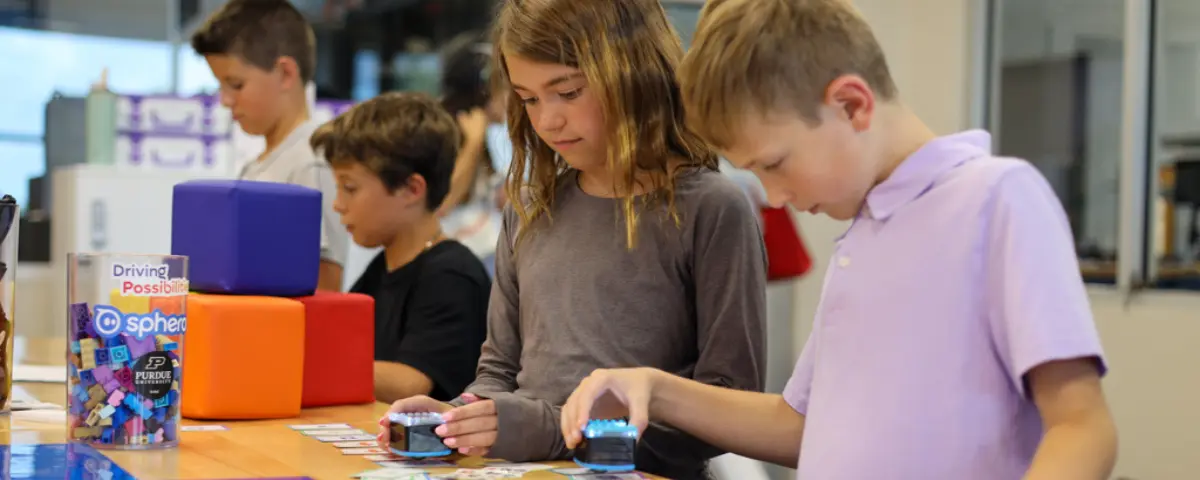
Bringing STEM into your classroom doesn’t require an elaborate setup or expensive equipment. Small activities and everyday experiences offer plenty of opportunities to encourage curiosity and hands-on learning.
1. Turn Everyday Experiences Into Science Experiments
Science is everywhere, and everyday observations offer a great starting point for classroom experiments.
Students might explore why some objects float while others sink, how shadows change throughout the day, or how different materials affect a paper airplane’s flight.
For a simple classroom activity, give students aluminum foil and challenge them to build a boat. Have students predict how many pennies their boats will hold before sinking, then test their designs and compare results.
This activity introduces concepts like buoyancy, weight distribution, and engineering design while encouraging students to experiment and make improvements.
2. Encourage Creativity With Engineering Challenges
Engineering challenges give students opportunities to think creatively, work together, and solve problems using familiar materials.
A simple tower-building challenge is a great place to start. Give students paper and tape, then ask them to build the tallest freestanding tower possible.
After testing their structures, encourage students to identify what worked, make adjustments, and try again.
These activities help students understand the engineering design process while showing them the value of persistence and teamwork.
3. Make Coding and Robotics Approachable
Coding and robotics help students develop computational thinking, logical reasoning, and problem-solving skills.
Getting started doesn’t require advanced technology or previous programming experience. Unplugged coding activities offer a simple introduction to programming concepts.
For example, have students write step-by-step instructions to guide a classmate through an obstacle course. The classmate must follow the directions exactly as written, giving students an opportunity to practice sequencing and troubleshooting.
Once students understand the basics, introduce programmable robots and build on those same skills through hands-on challenges.
4. Bring Math Into Real-World Activities
Math becomes more meaningful when students understand how different concepts apply to everyday situations.
Hands-on projects help students practice measurement, geometry, budgeting, and data collection while working toward a specific goal.
For a classroom activity, ask students to design their dream playground using graph paper. Give them a budget and a list of playground equipment with different prices.
Students will need to calculate measurements, consider available space, and manage expenses as they develop their designs.
This activity gives students a practical way to apply math skills while encouraging creativity and decision-making.
5. Celebrate Student Creativity and Progress
STEM learning involves experimenting, making mistakes, and improving ideas over time. Giving students opportunities to share their work helps reinforce the importance of the learning process.
Consider hosting a classroom STEM showcase where students present their projects and explain their designs.
Encourage students to discuss the challenges they faced, the changes they made, and the lessons they learned along the way.
Recognizing student effort and progress helps build confidence and encourages continued participation in STEM activities.
Free STEM Lessons and Resources for Your Classroom
Finding new STEM activities doesn’t have to take hours of lesson planning. Here are several free educational resources from STEM Education Works to help teachers bring hands-on learning into the classroom.
STEM Day blog
These resources offer a convenient starting point for introducing new concepts, exploring student interests, and incorporating more STEM activities into your existing lessons.
Keep the STEM Celebration Going All Year Long

National STEM Day is a great reminder of the importance of science, technology, engineering, and math education. More importantly, the curiosity, creativity, and problem-solving skills that drive STEM learning deserve attention all year long.
Explore more ways to bring STEM into your classroom at the links below.
STEM Education Works is dedicated to providing cost-effective and user-friendly access to top-notch STEM curricula and technologies, driven by our mission to transform students’ lives. Learn more about what we do through our socials, Facebook, Twitter, Youtube, LinkedIn, Instagram, and TikTok.