

Do you think Aliens have visited Earth?
September 22, 2026
If you could erase a bad memory, would you do it? While no one wants to be kept awake by an embarrassing memory from many years ago, our memories do play an important role in who we are. Scientists are currently experimenting with removing traumatic memories or lessening the brain’s emotional reaction to this memory to help people with mental illnesses, like PTSD.
How Does the Brain Form Memories?
You’ve already forgotten a lot of your memories since the brain doesn’t have the space to remember everything. The hippocampus is an area in the brain that stores and helps recall memories. Most of your memories enter your short-term memory in the hippocampus, but never make it to your long-term memory because your brain believes it is unimportant. Short-term memories are often malleable, meaning you can misremember something that happened only a few days prior. Long-term memories are activated by synaptic connections between neurons. One reason traumatic or fearful memories remain in long-term memory is that they activate the amygdala, which controls the body’s fight-or-flight response. The amygdala and hippocampus work together to store these memories as a survival mechanism, making them easier to recall in future dangerous situations.
Using Light to Remove Memories
Scientists haven’t been able to completely remove a memory in humans, but they have been able to dull the emotional response to a bad memory. Scientists have developed drugs that minimize the fight-or-flight response as someone relives a traumatic memory. The brain then learns to disassociate that memory from the fear response.
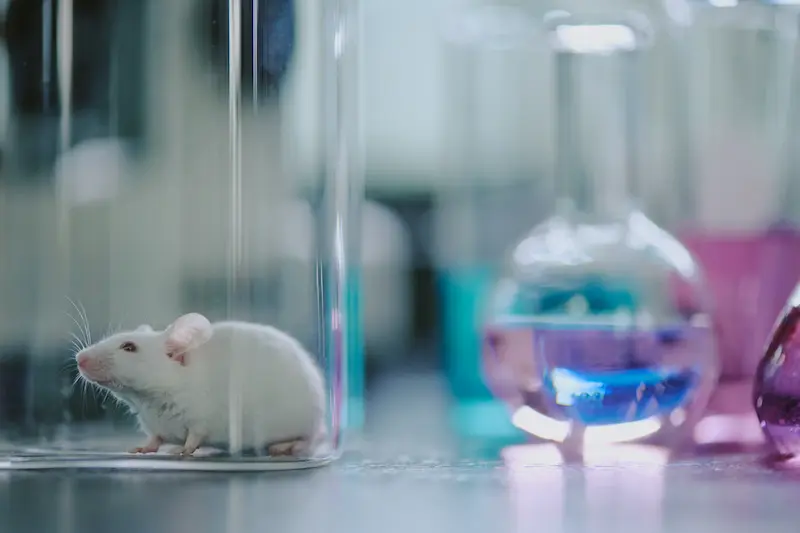
In mice, scientists have used optogenetics, which allows them to activate specific neurons by shining a targeted beam of light. In these experiments, mice have to ingest a protein that allows their neurons to be activated by light. Scientists then program a negative memory into the mouse’s brain by activating both the hippocampus and the amygdala. From there, they deactivate the neural connection between the hippocampus and amygdala to remove the fear associated with the memory. While this method is controversial, experimental, and limited to animals, it may help neuroscientists understand how fear and other negative emotions become associated with a memory.
Helping People with Traumatic Memories
While science hasn’t been able to completely erase a specific memory, there has been significant work to reduce the emotional impact of a traumatic memory. Because a fearful memory can activate the fight-or-flight response, people suffering from PTSD (Post-Traumatic Stress Disorder) can have physical and emotional reactions to reliving a memory. Several drugs and therapies help reduce this emotional response, helping people have more control over their lives.
How Memories Are Vital to Your Personality

While reliving an embarrassing or fearful memory may be unpleasant, completely wiping a memory, like in the Artemis Fowl series or the Men in Black movies, would impact your view of the world. While scientists are only working on reducing the emotional impact of traumatic memories, it’s important that scientists consider the ethical consequences of this technology before it becomes possible for the broader public to erase their memories. Our memories help us adapt to new situations and understand the world around us. If you erased every memory of handling a difficult situation badly or every embarrassing moment, you’re likely to repeat your mistakes because you wouldn’t remember.
Understanding the Brain Through STEM
Our memories shape who we are, helping us learn from past experience and prepare for future challenges. As neuroscientists continue studying how memories are formed and stored, they may discover new ways to help people living with conditions like PTSD. By exploring how the brain works, students can build critical thinking skills needed to solve future medical challenges.
Read more deep dives from STEM to Stern at the links below.



STEM Education Works is dedicated to providing cost-effective and user-friendly access to top-notch STEM curricula and technologies, driven by our mission to transform students’ lives. Learn more about what we do through our socials, Facebook, Twitter, Youtube, LinkedIn, Instagram, and TikTok.