

Could humans live on Mars one day?
June 22, 2026
Best Apps and Tech Tools For Classrooms
June 25, 2026
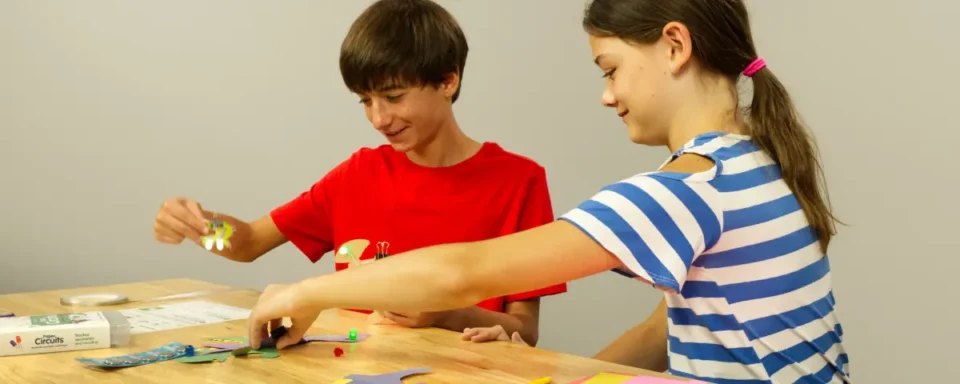
STEM doesn’t just exist inside a classroom. Involve your community in what students are learning by hosting a STEM event or STEM night at your school, library, or business. These events allow students to experience hands-on learning outside of the classroom. Families and community members can see how young students are using technology to solve problems, and the children just view it as a fun event!
Start with a Clear Purpose
The key to creating a fun and educational STEM event is to establish the purpose first. Is this event intended to promote the STEM program at your school to parents, or are you looking to involve members of the community, so they might fund new technology? These events are also a great way to expose young learners to STEM since many elementary schools do not have STEM technology. You could try to target disadvantaged and minority children to ensure that everyone in your community has an equal opportunity to learn about STEM.
Build Community Partnerships Early
STEM events are impossible without the community. From choosing a place to hold the event to securing funding, community members are essential for creating a successful STEM program. Local schools and libraries are the ideal venues to hold a STEM event because of the tables and open space. Local STEM companies and universities can also support your event. Connecting with parents can help you build community connections, and parents could volunteer at other STEM events you host. These partnerships can help you secure funding for new technology. Employees from local STEM companies can even come into your classroom as guest presenters to talk about their jobs.
Create a Budget that Works
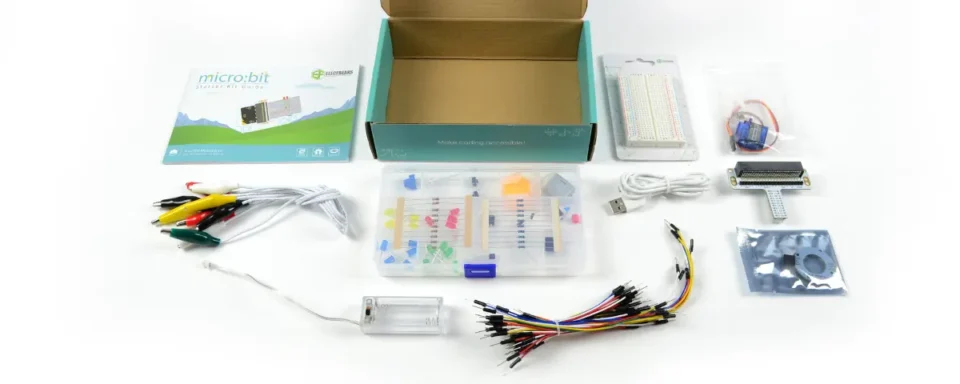
Fitting everything you need into a budget that you can afford is a challenge that all educators know all too well. The good news is that STEM nights do not need large budgets. You can start small and grow the event each year, reusing materials purchased the previous year. This is also a great opportunity to ask families and businesses to donate supplies. Looking online for free resources and STEM activities is also a great way to save money. Our website features free worksheets and lessons that could easily fit into an event. For your event, make sure you budget for technology, supplies, decorations, food, and transportation (if needed).
Choose a Theme Students Recognize
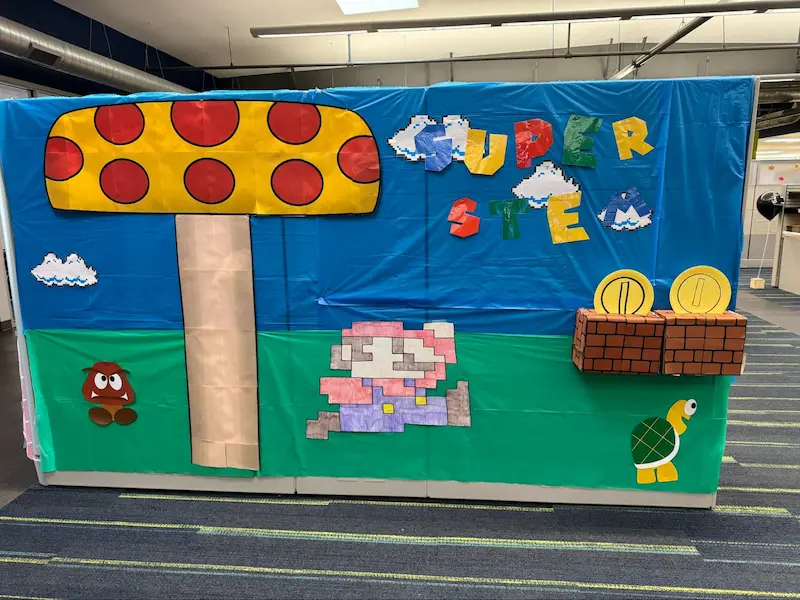
The most important part of a STEM event is to get students excited about STEM. Science, engineering, and math by themselves aren’t very exciting to young learners. Choosing a kid-friendly theme for your event can transform your event into a memorable learning experience. Try to keep it relevant to topics that students are engaged with, such as dinosaurs, Minecraft, Pokémon, or space. At our STEM night event, we chose Super Mario Bros. as our theme and created activities where students designed go-karts and built their own racetrack, similar to the Mario Kart video games. These activities allow students to use the Engineering Design Process to create, test, and improve their creations.
Make Activities Accessible for All Ages
Your STEM night should be accessible to everyone. The activities for your STEM event should connect to real learning. Focus on hands-on activities and print out detailed instructions with pictures to help learners at all levels. Ideally, reach out to schools participating in your events and align your activities with the standards they are struggling with. The biggest struggle when teaching STEM is having enough time to devote to engaging activities, so a STEM event is a great opportunity to explore hands-on learning that doesn’t cut into learning time.
STEM night activities are also a great way to get parents involved in STEM. Family engagement can strengthen a student’s interest in STEM. Many parents don’t know what a STEM education involves, but getting the opportunity to see their child work with robots or code can help them see the benefits of pursuing STEM.
Organize Logistics Before Event Day
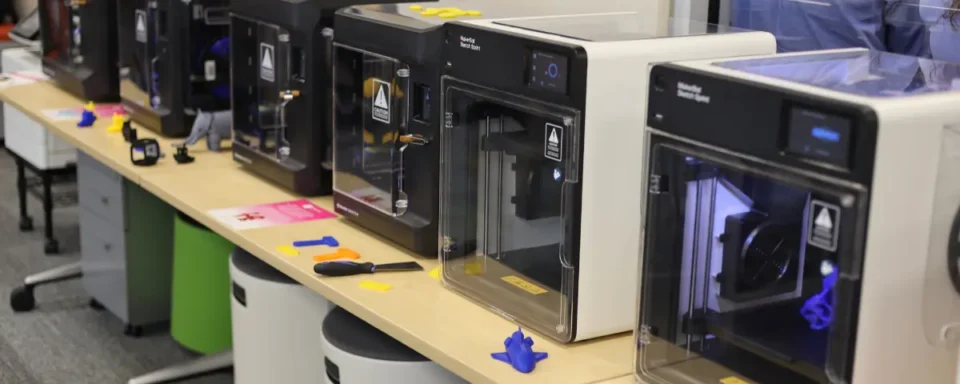
The biggest aspect of creating a STEM night is planning. Although it’s not everyone’s favorite part, event planning is crucial to making sure everything goes smoothly. It’s best to start planning four to six weeks ahead of your event. Make sure you decide on a venue with enough parking, tables, and chairs for all attendees. Most STEM technology requires Wi-Fi, so check beforehand that your venue’s Wi-Fi can handle the additional traffic. If you’re bringing food and snacks for the event, make sure to keep all food separate from the technology. To make sure all the attendees get to interact with your technology, try to set up stations. Some robots require a table while others need room on the floor to move around based on coded instructions. Other technology, like drones, may require its own space to ensure that everyone stays safe. Plan for how many volunteers you’ll need to supervise each station. These volunteers can be parents, other teachers, or community members. Ultimately, running through all these logistics several weeks before your event will make your event a success.
Promote the Event to Increase Attendance
Outreach matters just as much as planning when you’re trying to create connections in the community. To promote your STEM event, include the event in your school’s newsletter and social media. You can also create flyers with QR codes, so people can register for the event ahead of time. If you can estimate attendance before the event, you can have an idea of how much technology and food you’ll need. Try to promote the event around your community by reaching out to local businesses and news stations. The more people you reach, the more opportunities you have to create those community connections that can boost your STEM program.
Create Lasting Community Impact

Organizing a STEM event can feel intimidating, but allowing the community to be involved in the next generation of engineers, software developers, and scientists is well worth the effort. These events allow children who may not have STEM technology at their school to gain problem-solving skills through hands-on learning. These events also help families better understand STEM education. For local businesses in the community, a STEM event can inspire them to support a STEM program at a local school or create a STEM lab in their business. No matter how small you start, a STEM event can have a lasting impact on students and the community.
STEM Education Works is dedicated to providing cost-effective and user-friendly access to top-notch STEM curricula and technologies, driven by our mission to transform students’ lives. Learn more about what we do through our socials, Facebook, Twitter, Youtube, LinkedIn, Instagram, and TikTok.