


If you could genetically modify yourself to have one animal ability, what would it be?
September 22, 2026
Do you think Aliens have visited Earth?
September 22, 2026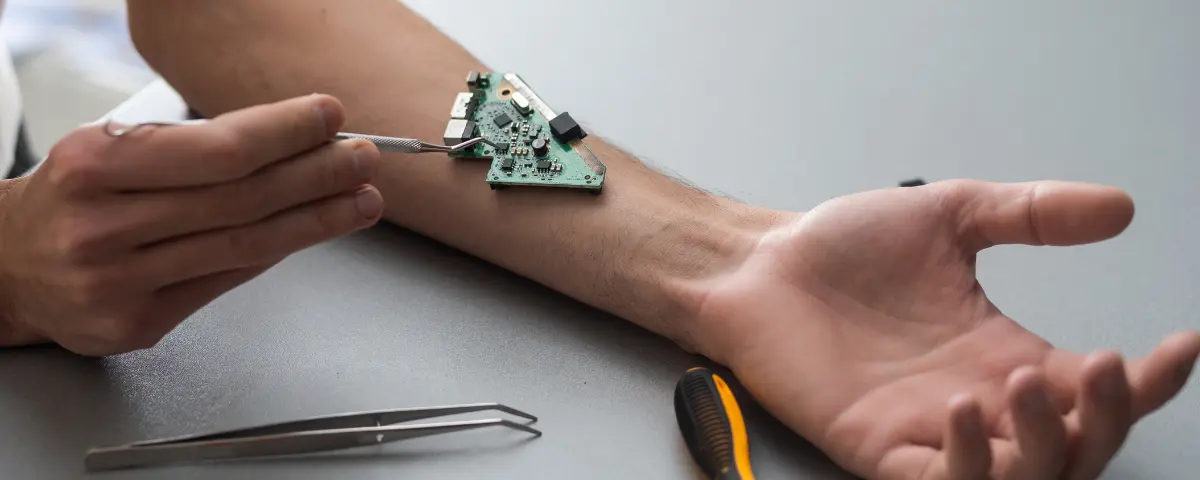
As biomedical technology continues to advance, are we becoming cyborgs? Scientists have developed advanced gadgets that help people in their everyday lives. Some of these gadgets are known as cybernetics because they adapt based on feedback from the body. This technology has the potential to benefit many people with disabilities, but how much technology in the body pushes us into cyborg territory?
What Is Cybernetics?
Cybernetics is the study of feedback and control in living organisms and machines. The human body monitors itself and responds to that feedback to stay in a desired state. For example, the human body maintains a temperature of about 98°F because the cells are constantly adjusting to internal and external conditions. Cybernetic enhancements are able to communicate with the body and respond to feedback. Insulin pumps are one example of a cybernetic enhancement that operates similarly to your body. In people without diabetes, the pancreas monitors blood sugar and releases insulin to control blood sugar levels. For someone with diabetes, an insulin pump is a piece of technology that reads blood sugar and releases insulin based on how much the body needs.
How Cybernetic Devices Are Helping People Today
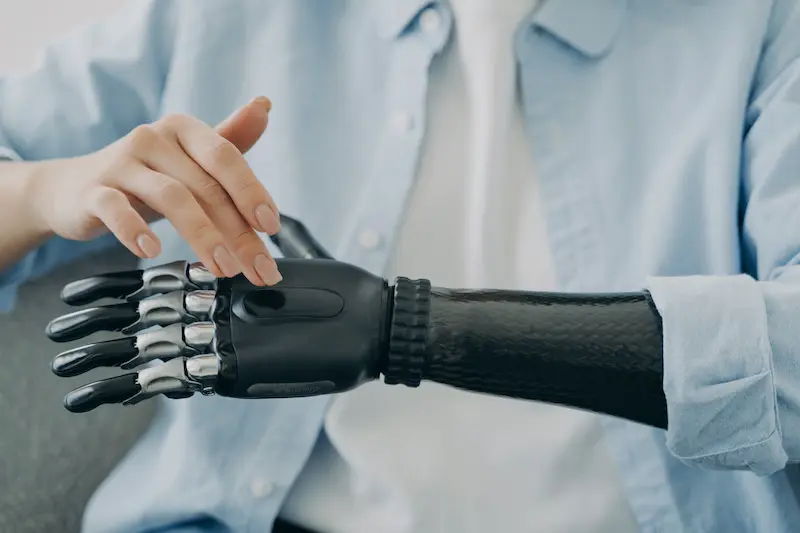
Along with insulin pumps, hearing aids and some prosthetic devices also use cybernetics to help people. Hearing aids monitor the audio levels of your surroundings and adjust how much the hearing aid should amplify that sound to ensure that quiet sounds are heard but loud sounds don’t accidentally harm the wearer. Just like hearing aids, researchers are working on using cybernetics to help blind people see. Bionic eyes use AI to translate visual data from a camera into signals that are sent straight to the brain. Cybernetic prosthetics help people who have lost limbs above the joint, which vastly limits their mobility. Scientists are working on developing prosthetics that can help above elbow amputees by reading signals from the upper arm that control the lower prosthetic.
What Challenges Still Need to Be Solved?
Cybernetics could help many people, but this technology is still too expensive to be accessible to those who need it. Scientists and engineers are still working on making advanced cybernetic devices more reliable and affordable. Putting technology into humans, though, raises concerns for many people about privacy and security. For example, no one wants a hacker to be able to take control of someone’s prosthetic arm. Cybersecurity is a major problem that engineers need to consider as they design devices that communicate with both a computer and the human body. Reliability is equally important because a malfunction of one of these devices, which are directly connected to the body, could be dangerous for the user.
Where Should We Draw the Line?
Cybernetics could blur the line between human and cyborg. While technically having any cybernetic device, including a hearing aid, pacemaker, or prosthetic, makes someone a cyborg, many people think a cyborg has multiple cybernetic enhancements beyond just helping someone with a disability. There is a huge difference between restoring lost abilities and enhancing healthy ones. The goal of cybernetics is to improve the quality of life for people with disabilities, not give healthy people advantages. As this technology continues to improve, scientists have to consider the ethics of what it means to be human and where the limits of this technology should be.
The Future of Cybernetics
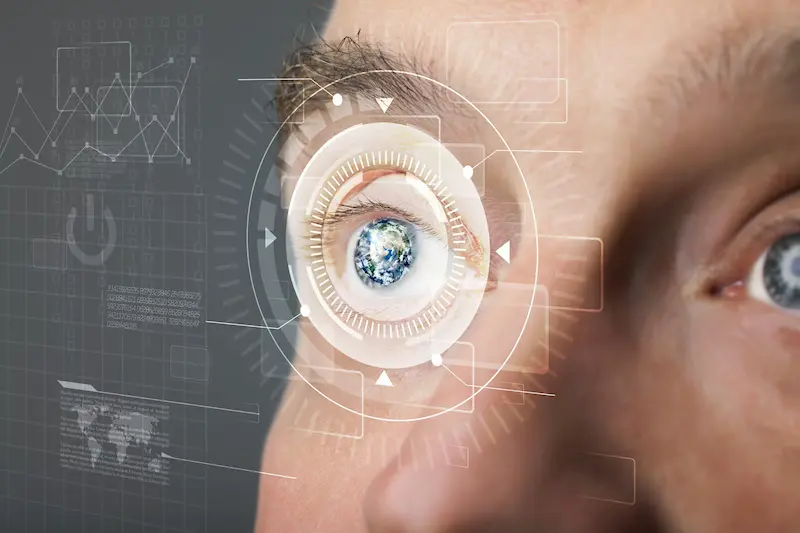
Cybernetic technology continues to advance, restoring mobility, vision, hearing, and other abilities for millions of people. However, there are concerns about the ethics of this technology and how it should be used. Additionally, this technology is very expensive, meaning that the people who need it most may not be able to afford a cybernetic device. Engineers, neuroscientists, and computer scientists will need to collaborate to improve this technology and make it more affordable. Today’s students who are interested in cybernetics could help design the next generation of life-saving technology while solving the ethical challenges that come with it.
Read more deep dives from STEM to Stern at the links below.





STEM Education Works is dedicated to providing cost-effective and user-friendly access to top-notch STEM curricula and technologies, driven by our mission to transform students’ lives. Learn more about what we do through our socials, Facebook, Twitter, Youtube, LinkedIn, Instagram, and TikTok.