
Bot Squad: Can tiny robots heal you from the inside out?
September 22, 2026
Gadget Goals: Are we becoming human-plus?
September 22, 2026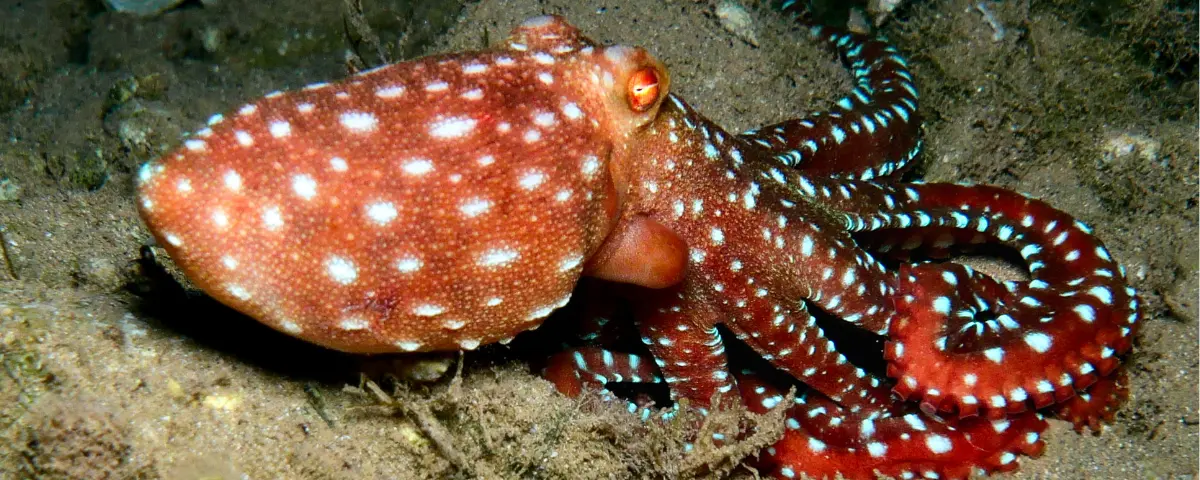
The animal kingdom is filled with fascinating adaptations that help animals survive and thrive. From flight or heightened hearing to camouflage, there are a wide variety of helpful animal abilities to choose from. Here are our picks for some of the coolest.
The Power of Flight
Being able to soar through the skies is one of the most impressive feats of physics that many species of birds accomplish every day. While humans have invented airplanes and hang gliders to replicate how birds fly, being able to fly without assistance is an incredible ability that’s limited to birds and certain superheroes. Birds are able to fly due to their lightweight body and aerodynamic wings. Birds have hollow bones, which keeps them lightweight enough to fly. Their feathers and wings are designed to keep them in the air and allow them to steer.
Changing Colors to Camouflage
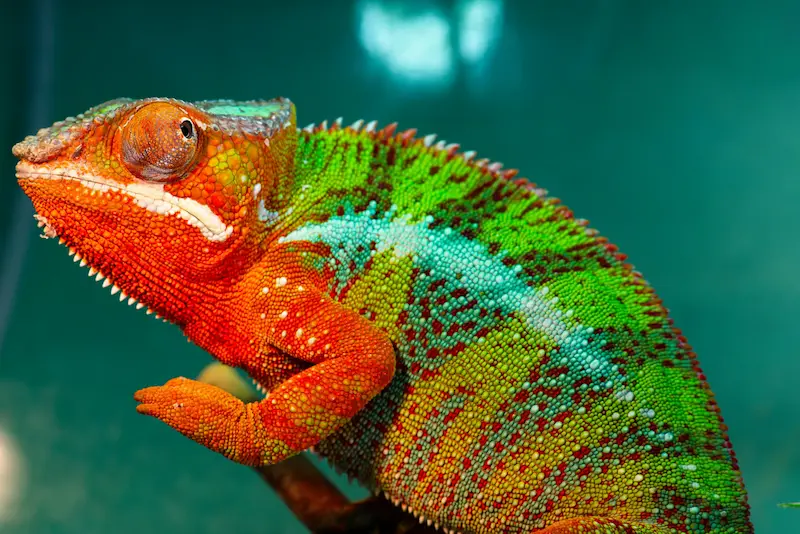
Many animals have developed specific traits that allow them to blend in with their environment to avoid predators or being detected by prey while hunting. Chameleons are one of the few species that can change their skin color on command. Chameleons change color based on their nervous system, so when they’re calm, most species are green to blend in with plants and leaves. They change color by controlling how close together certain pigments and nanocrystals are to each other, which causes the light to reflect off their skin and create different colors, like blue, red, or yellow.
Communicating Through Colors
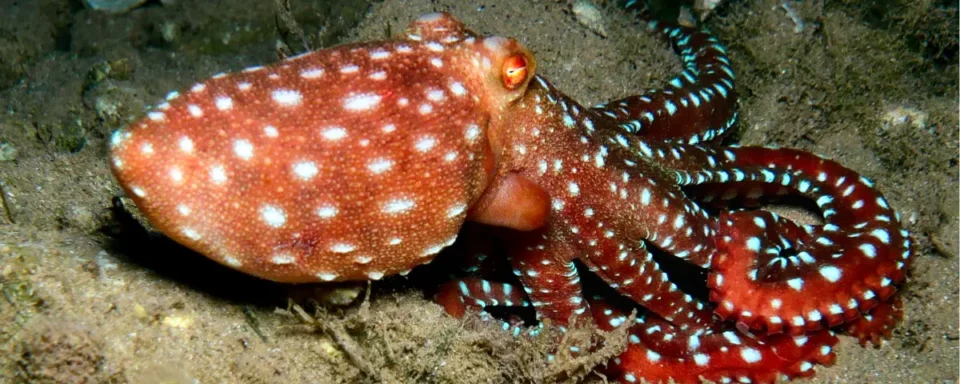
Octopuses have a similar ability. Many octopuses can change color by releasing pigments in their cells to blend in with their surroundings. This ability is useful to help them hide from predators and disguise themselves while hunting prey. Octopuses don’t just change color to camouflage; they also use it to communicate with other octopuses. Specific patterns or colors can warn predators, establish dominance of their territory, or attract mates. Octopuses can change colors almost instantly and even split their color to send different messages to different octopuses.
Super Hearing and Echolocation
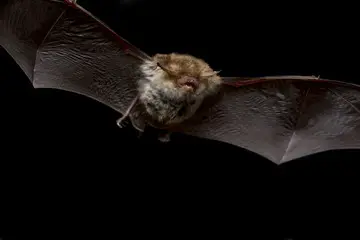
While octopuses are able to hide themselves visually, in dark environments, some animals have to hide themselves by staying completely silent. In dark caves, bats cannot rely on their eyesight to find prey and navigate back to their home. Instead, bats use echolocation, which means that they create ultrasonic waves that can’t be heard by humans or most animals. They can hear these waves and determine their surroundings by listening to the waves bounce off nearby objects and prey. This system is incredibly accurate at finding prey that are otherwise silent in the dark. Several species of whales and dolphins use echolocation to hunt deep in the ocean. By studying how these animals hunt underwater, scientists developed sonar, which allows submarines and boats to detect large objects underwater.
Exploring Nature Through STEM
Animals have evolved remarkable adaptations that help them survive, communicate, and thrive in their environments. Exploring these abilities inspires students to ask questions to better understand the world. Scientists continue to study these traits and apply what they’ve learned to real technologies, such as planes and sonar. Some of the greatest engineering ideas already exist in nature, and the next scientific breakthrough may be inspired by an animal’s amazing natural ability.
Read more deep dives from STEM to Stern at the links below.

STEM Education Works is dedicated to providing cost-effective and user-friendly access to top-notch STEM curricula and technologies, driven by our mission to transform students’ lives. Learn more about what we do through our socials, Facebook, Twitter, Youtube, LinkedIn, Instagram, and TikTok.