
What do you think it means to be “smart”?
September 22, 2026
If you could genetically modify yourself to have one animal ability, what would it be?
September 22, 2026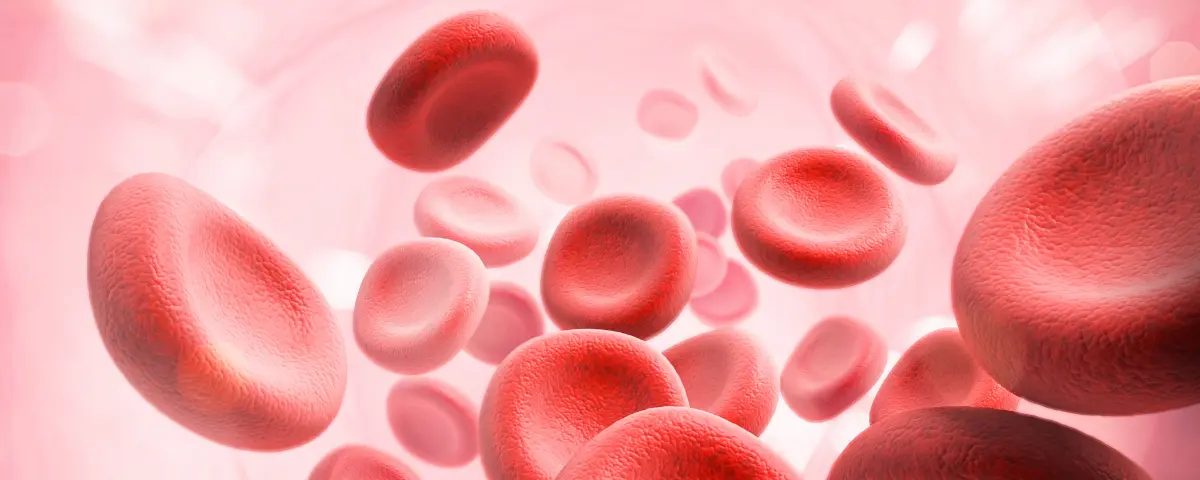
Our immune system is full of microscopic cells that protect us from illnesses by eliminating germs and other invaders that enter the body. Your immune system, combined with modern medicine, helps you recover when you’re ill. Still, for people with severe, chronic illnesses, scientists are exploring using nanobots to target sick cells and deliver drugs to specific parts of the body. This experimental therapy could help people suffering from cancer, autoimmune diseases, and infectious diseases.
What Are Nanobots?
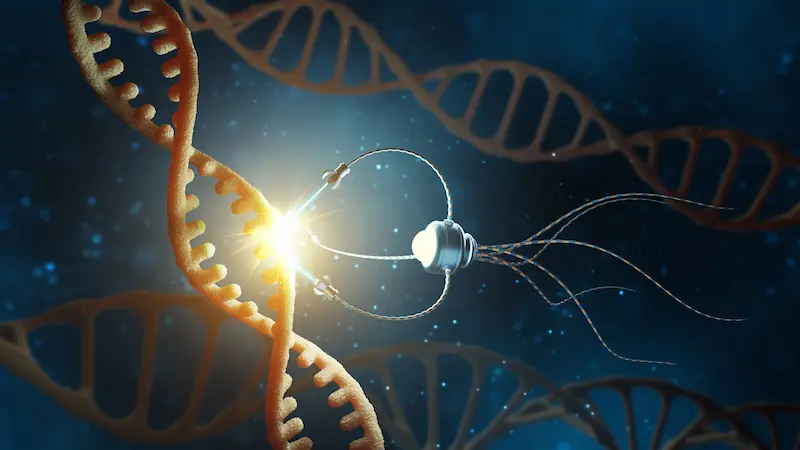
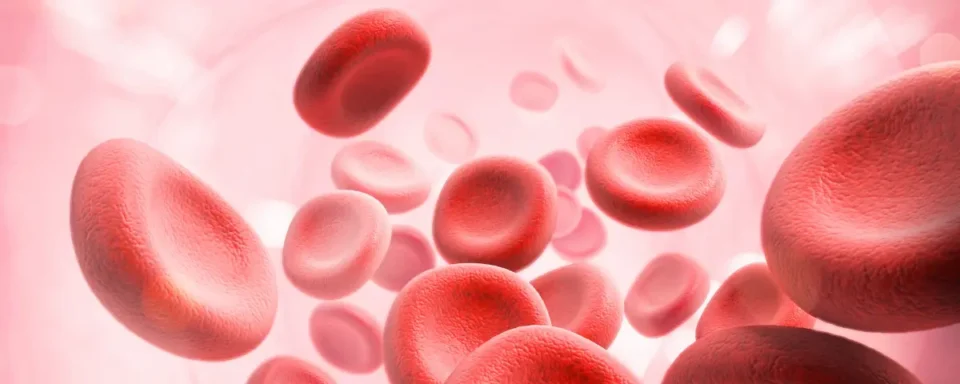
Nanobots are incredibly small machines made up of proteins, metals, and polymers. They are so small that 100 nanobots lined up would only be about the width of a single human hair. These nanobots are roughly the same size as red and white blood cells, so they can travel through the body and act alongside the cells that are already working to protect you. Because they travel inside the body, scientists are using them to diagnose disease from the inside and to deliver drugs that only target damaged cells. Nanotechnology in healthcare is still experimental, but it could be the future of treating specific diseases.
How Could Nanobots Transform Medicine?
Some nanobots have biosensors that can detect cancer and disease biomarkers, which can help doctors diagnose patients and understand the extent of the issue the patient is facing. This essentially works like any medical scan, but it can be more accurate because the nanobots can find diseased cells that scans cannot. Nanobots can help treat diseases as well through targeted drug delivery. For a cancer patient, this treatment can eliminate cancerous cells without harming healthy cells. Researchers at Stanford are exploring whether nanobots can help remove plaque from arteries surrounding the heart, preventing heart attacks and strokes. Scientists are also exploring whether this technology could be used to help cells regenerate or repair damaged tissue. These treatments offer a precise way to treat diseases at the cellular level, but the idea of placing robots into patients’ bloodstreams still has people concerned.
What Challenges Do Scientists Still Need to Solve?
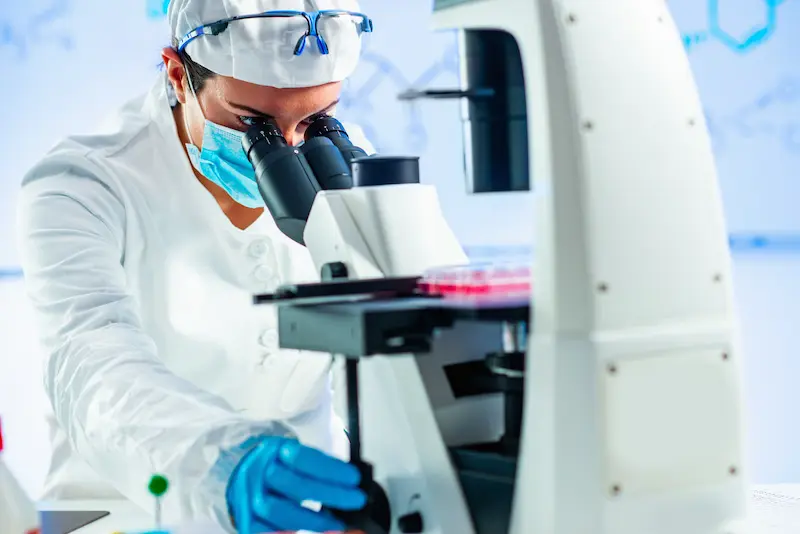
Nanotechnology is still experimental since scientists need to ensure that they are safe before nanobots can become a widespread treatment. Our immune system is very sensitive, and it could attack these nanobots if it believes that nanobots are foreign objects, just like how an organ transplant recipient’s body can reject an organ. While the technology can easily travel through the bloodstream, scientists have to direct it similarly to a self-driving car. This can be a challenge since the body has a complex map of blood vessels. Scientists are also still working on a reliable way to deactivate and remove nanobots since they are so small. While it’s unlikely that they could damage someone because they are so small and made up of organic materials, being overly cautious is especially important in the medical field to ensure patient safety.
Making Nanotechnology Safe and Accessible
While nanotechnology is promising in the healthcare field, manufacturing at a nanoscale is costly, and there are concerns that patients won’t be able to afford this potentially life-saving treatment. Researchers have to consider the ethics of using nanobots in humans while they’re still in the research phase. Nanobots carry the risk of malfunctioning inside the human body, which could be harmful. Plus, directing and removing this technology is still a challenge that scientists need to overcome.
The Future of Nanotechnology in Medicine
Nanotechnology is rapidly advancing, and nanobots could be the future of cancer treatment. As this technology moves out of the experimental phase, the medical field will need scientists, engineers, and medical professionals to work together to make these treatments available to the public. Nanobots could improve lives and help people suffering from a wide variety of medical issues. While scientists are still working to improve the safety of this technology, current students interested in the medical field may be using this technology to save countless lives.
Read more deep dives from STEM to Stern at the links below.



STEM Education Works is dedicated to providing cost-effective and user-friendly access to top-notch STEM curricula and technologies, driven by our mission to transform students’ lives. Learn more about what we do through our socials, Facebook, Twitter, Youtube, LinkedIn, Instagram, and TikTok.