

The Physics of Everyday Objects
September 22, 2026
What do you think it means to be “smart”?
September 22, 2026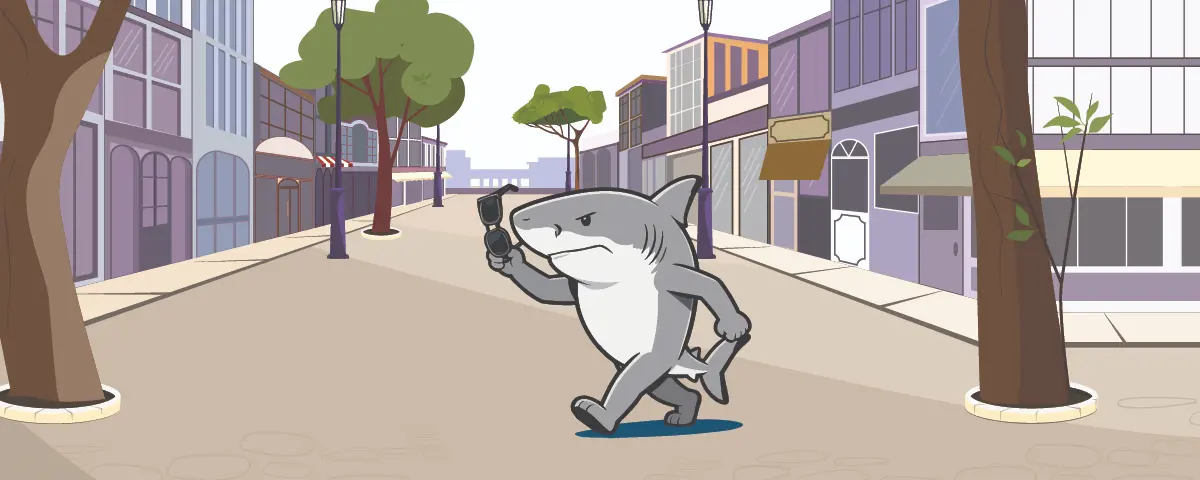
Sharks have existed for millions of years and have changed relatively little over that time. But what if sharks adapted to survive in cities? Or what if we were able to bioengineer sharks to live like humans, just like in the cartoon Street Sharks? Creating sharks that live in the same environment as humans would be equally cool and terrifying, but it does raise questions about animal adaptations and how our actions are impacting other species.
How Do Animals Adapt to Changing Environments?
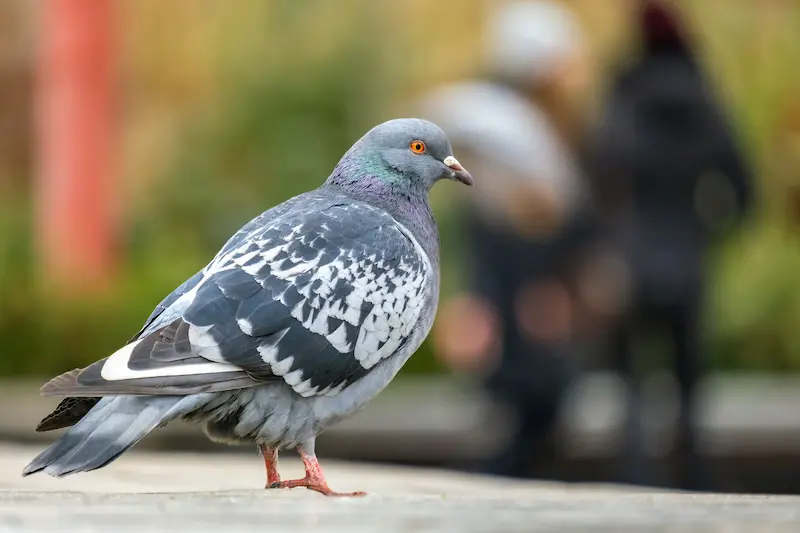
Many animals adapt to new environments to survive. As humans have changed the natural world to build farms and houses, animals have adapted to the changed environment. For example, raccoons don’t naturally understand how to look in trash cans and dumpsters for food, but raccoons have adapted to look for food in these places. Similarly, rock pigeons used to live on the sides of cliffs, but they have adapted to live in urban spaces, like building ledges, rooftops, and windowsills. Sharks have adapted to their environment over millions of years, so it would take many generations for sharks to adapt to living on land.
What Would Sharks Need to Survive on Land?
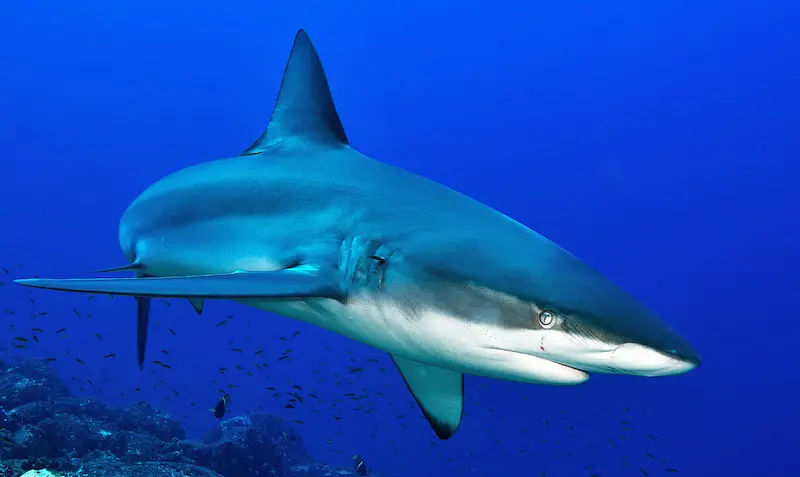
Sharks have adapted to living and hunting underwater. To live on land with humans, sharks would need to develop lungs, rather than gills, and develop a way to move on land. Sharks would also need to learn to hunt land animals and find shelter near food sources. These major changes would require thousands to millions of years to happen naturally, and it’s unlikely that sharks would end up looking like the Street Sharks, with shark heads and bodies attached to legs.
Could Genetic Engineering Create a Land Shark?
If land-dwelling sharks are impossible naturally, could we bioengineer one? Most of the bioengineered animals that scientists have created have only minor modifications. For example, many livestock animals have been modified to grow faster and become resistant to harmful diseases, like genetically-modified salmon that reach full size about twice as quickly as normal salmon. While scientists have been able to alter specific traits of an animal, they haven’t been able to adapt an animal to survive in environments different from their natural habitat. While this is possible in theory, there are limitations to how many genetic modifications are possible in a single generation. Adaptations take hundreds of generations in nature, and for an animal with a long lifespan, adapting each generation would take a long time. While time is a huge limitation, there are also ethical questions involved in making extreme changes to an animal. For example, what if these changes have unintended consequences that harm the animal? Also, what if these newly adapted animals harm other animals or the environment? Creating a land shark could have disastrous consequences for the sharks and our world as a whole.
Protecting Animals in a Changing World
Animals have developed unique adaptations to thrive in their environments, but humans are often changing the environment faster than many animals can adapt. While many species, like raccoons and pigeons, have adapted to urban environments, others will likely be left behind as humans destroy more natural habitats. Protecting endangered species and conserving their habitats should be humanity’s priority. Genetic modification has many ethical and environmental consequences, but it could be used to support conservation efforts by making plants and animals that are resistant to specific diseases.
Imagining the Future of Animal Adaptation
While it’s unlikely that we’ll ever create sharks that can survive in a city, this curiosity about bringing fiction to life helps students understand real STEM concepts like evolution, genetics, and animal adaptations. Although Street Sharks will remain just a cartoon, these ideas can help students think about how scientists can use bioengineering to protect species in changing environments.
Read more deep dives from STEM to Stern at the links below.




STEM Education Works is dedicated to providing cost-effective and user-friendly access to top-notch STEM curricula and technologies, driven by our mission to transform students’ lives. Learn more about what we do through our socials, Facebook, Twitter, Youtube, LinkedIn, Instagram, and TikTok.