

What’s a STEM-related trend that you think is overhyped, and why?
September 22, 2026
The Physics of Everyday Objects
September 22, 2026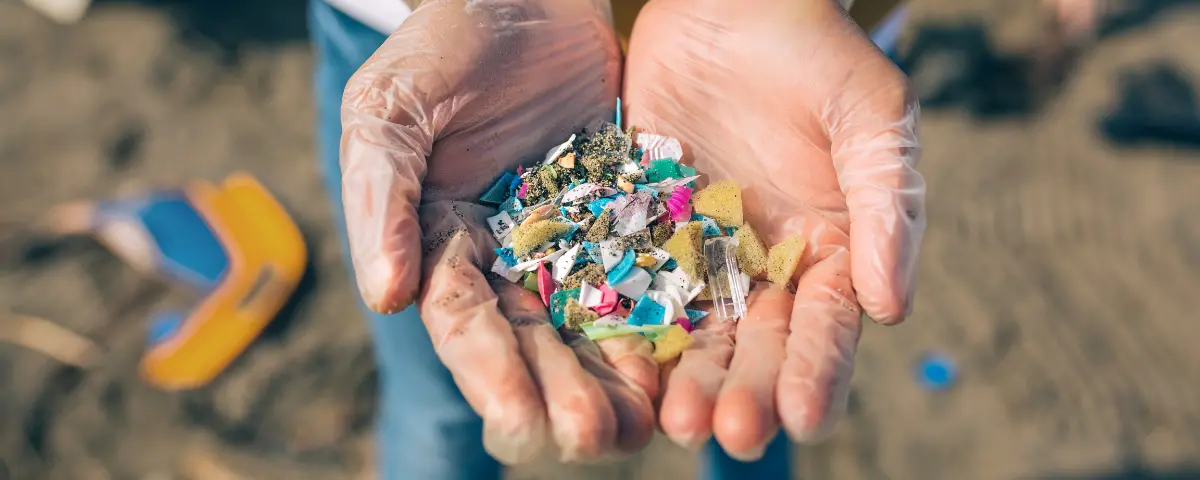
Microplastics are everywhere. They’re inside our bodies, in the ocean, and in the soil where we grow our food. Plastic pollution doesn’t disappear; it just breaks down into smaller and smaller pieces until it’s invisible to the naked eye. Scientists are currently researching possible solutions to remove these microplastics from the environment.
What are Microplastics?
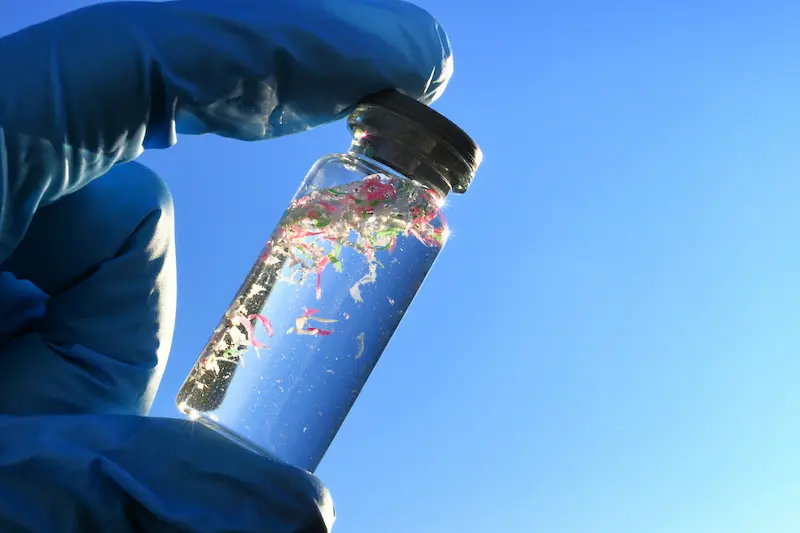
According to the United Nations, microplastics can be as small as one nanometer and up to 5 millimeters wide. This means that they can be thinner than the width of a human hair or as wide as the width of a wedding band. Since the 1950s, we’ve been using plastics in clothing, construction, food packaging and other manufacturing. Plastics are incredibly durable, but unfortunately, that durability has downsides. Plastic can take a few decades to a few centuries to decompose, but during that process, the plastic ends up breaking up into smaller parts rather than breaking down into organic material. These smaller parts are microplastics, and even microplastics can break down into nanoplastics, which are invisible to the naked eye. As plastic wrap, takeout containers, polyester clothes, and tires slowly disintegrate, the smaller pieces enter the water, soil, and even the air.
How Do Microplastics Enter Our Food and Water?
Most plastics that aren’t recycled or incinerated end up in landfills. From there, they break down into microplastics and travel to nearby soil or end up in the ground water. Some microplastics end up in the water through washing polyester clothing or putting non-dishwasher-safe plastic containers in the dishwasher. The microplastics in the soil can end up in the food we eat, but most of the microplastics in food come from plastic packaging. Microplastics in the ocean come from plastic pollution that many animals accidentally eat. While studies have shown that microplastics are in several foods, the amount of microplastics is not enough to harm humans according to the FDA.
How Are Scientists Tackling Plastic Pollution?
Microplastics in our ecosystems are the result of plastic pollution. Reducing plastic waste is the most important part of reducing microplastics, but scientists are exploring other solutions to get rid of the microplastics that are already present in the environment. Several companies have created filters you can put in your washing machine that collect the microplastics from polyester clothing. Scientists have also discovered several mushrooms capable of breaking down plastics. Researchers at MIT discovered an ocean bacteria capable of breaking down biodegradable plastics. Many industries still rely on plastics, so many countries are pushing for biodegradable plastics to protect the environment without harming valuable industries, like manufacturing and food production.
What Can We Do to Reduce Plastic Waste?
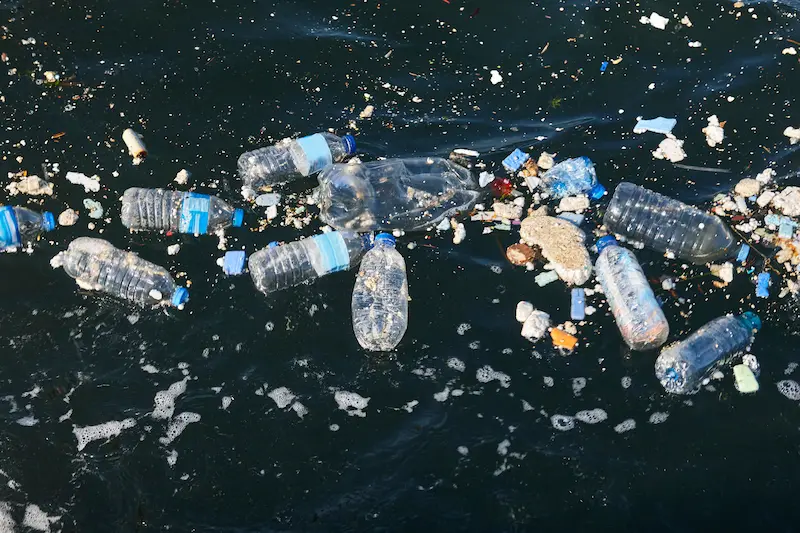
We can prevent more microplastics from entering the environment by using fewer single-use plastics, like plastic grocery bags, water bottles, and other disposable products. Recycling items also helps reduce the amount of plastic pollution. These changes may be small, but they can lessen your impact on the environment. As this problem continues to worsen, scientists, engineers, businesses, and communities all have to work together to reduce plastic waste.
Using STEM to Solve Global Issues
Microplastic pollution is a complex problem that will require collaboration and creative thinking. The world needs new ways to reduce plastic waste and prevent microplastics from entering the environment. Our world will need environmental scientists, engineers, and biologists to work together to solve this global issue. Encourage your students to think about possible solutions to this problem. STEM innovation doesn’t have to be limited to technological innovations. By encouraging students to tackle real-world environmental challenges, we can inspire the next generation of STEM innovators to create solutions to protect our planet.
Read more deep dives from STEM to Stern at the links below.
STEM Education Works is dedicated to providing cost-effective and user-friendly access to top-notch STEM curricula and technologies, driven by our mission to transform students’ lives. Learn more about what we do through our socials, Facebook, Twitter, Youtube, LinkedIn, Instagram, and TikTok.